
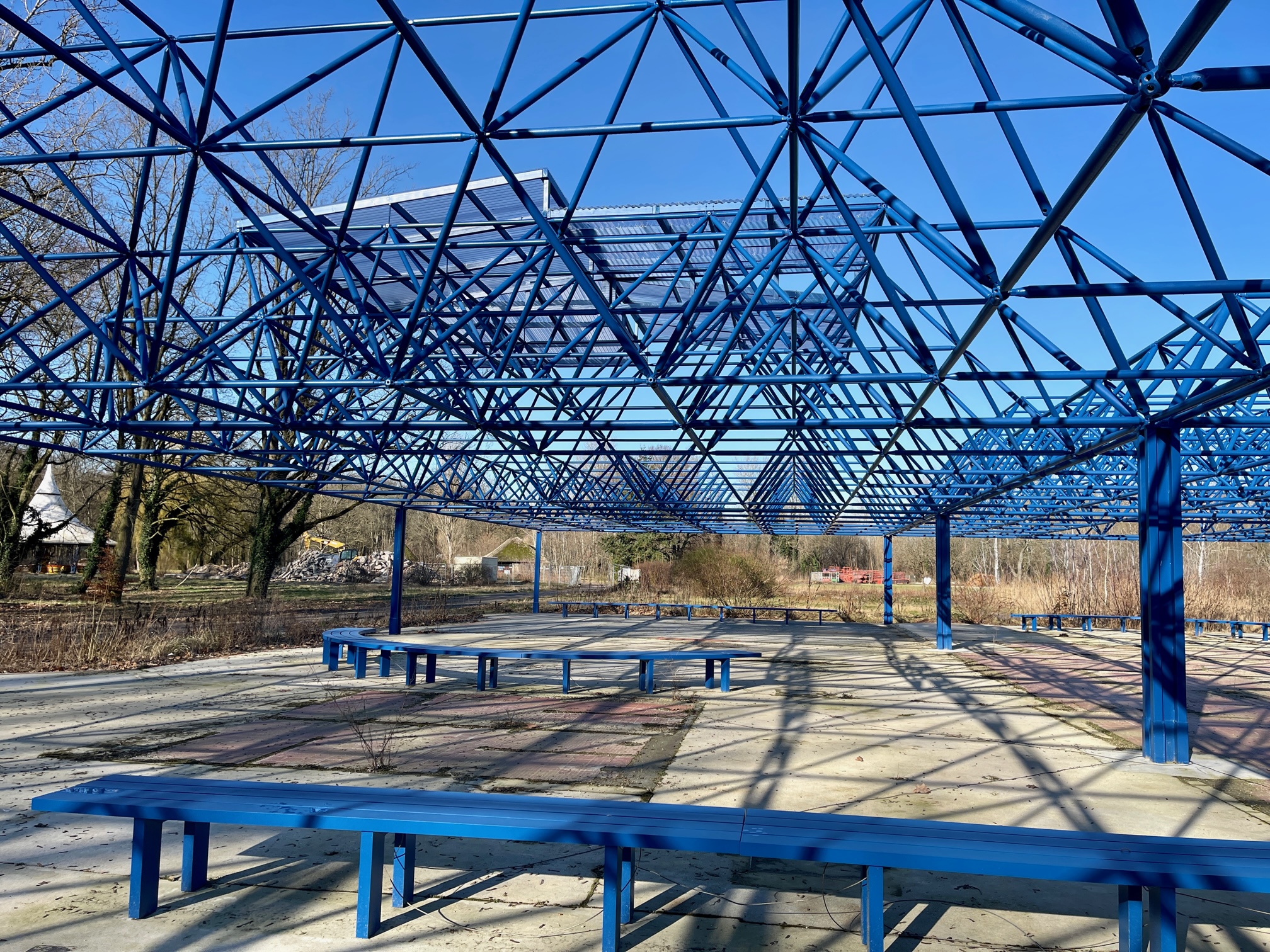
BERLIN
Working in Berlin’s abandoned Spreepark and along the river communities of the Spree and the Elbe, Public Art Lab developed, tested, and transferred methodologies of sensitive mapping, living research, and bio-art to build local coalitions, translate ecological knowledge into cultural practice, and support inclusive and sustainable approaches to biodiversity.
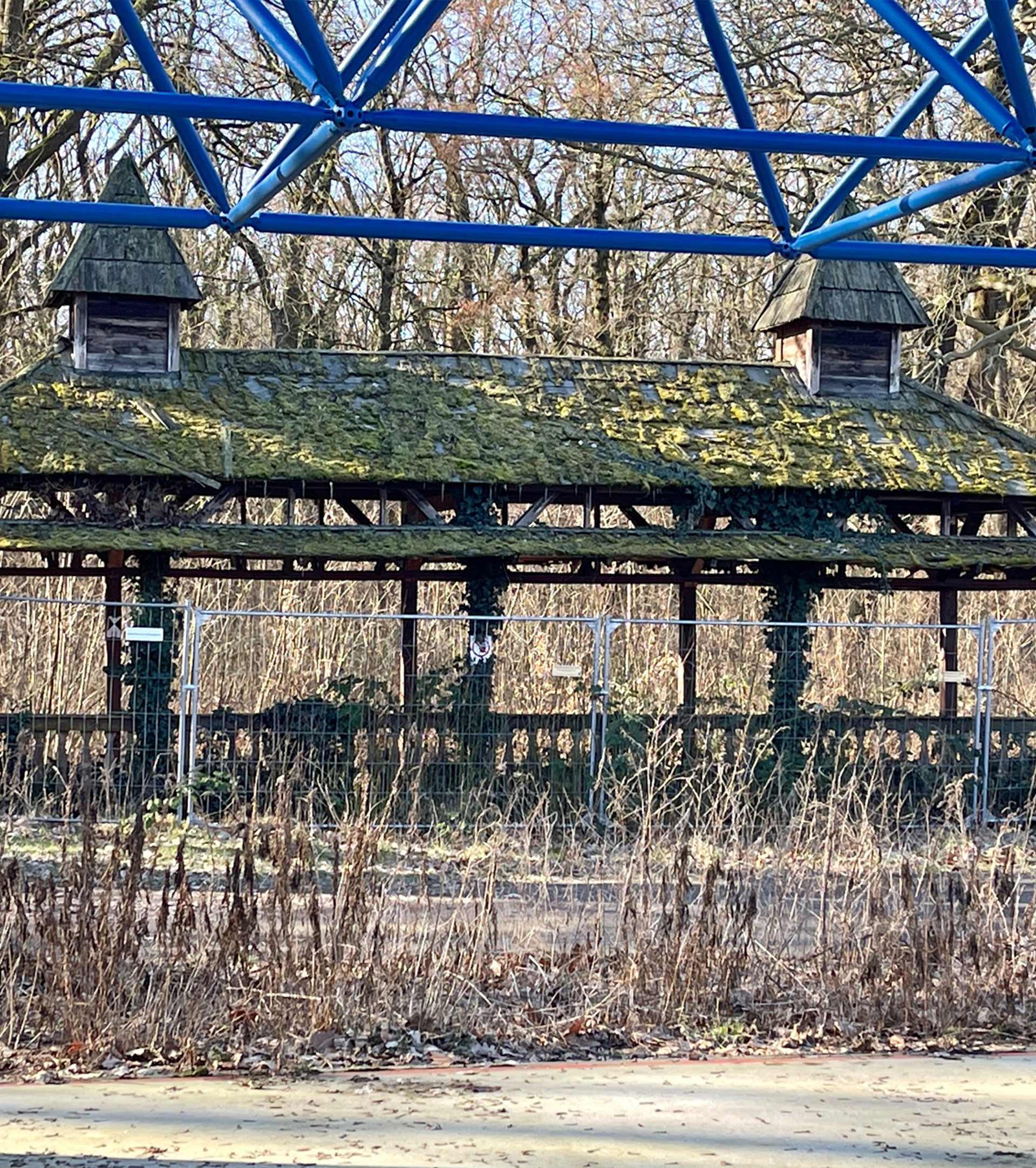
Public Art Lab’s biodiversity work unfolds at Spreepark in Berlin and along the river communities of the Spree and the Elbe—landscapes marked by abandonment, ecological regeneration, and accelerating transformation. Once left aside, these places have become refuges for multispecies life, now increasingly vulnerable to redevelopment, infrastructural transition, and changing patterns of use. Public Art Lab approaches these sites as living laboratories, working with artists, scientists, local communities, and public institutions to explore how culture can support ecological care. Through sensitive mapping, citizen science, and artistic interventions, the project reveals hidden habitats and the entangled relationships between human and non-human actors that shape these environments.
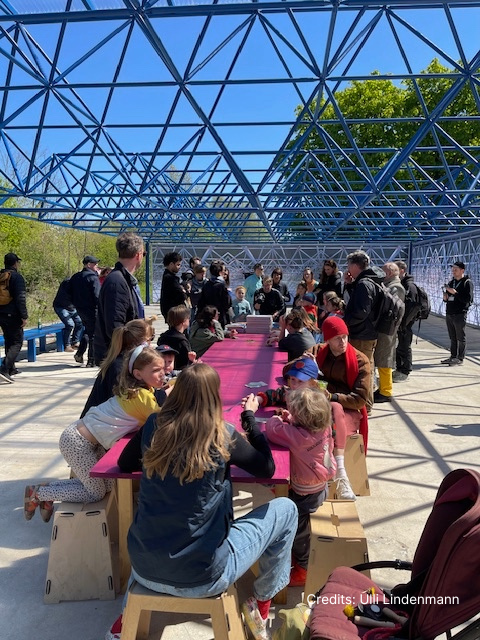
Public formats such as the Open Air Exhibitions and the Market of Biodiversity, the panel ‘The River as Legal Entity’ at Spreepark Art Space (Berlin and Wittenberge), and the Biodiversity in Action Lab (TINCON and re:publica Berlin) invited shared discovery, dialogue, and responsibility. Together these formats cultivate long-term bonds between people, place, and biodiversity while engaging with the coexistence of urban development and living ecologies. Through this range of public encounters, outcomes were shared in ways that demonstrate the scalability of the approach across diverse landscapes and communities.
The Starting Point
The Berlin pilot addresses a key challenge of urban transformation: how to redevelop a long-abandoned site through culture while preserving the biodiversity and multispecies life that developed during years of neglect. The Spreepark clearly reflects this tension. Once a popular amusement park, it later became an abandoned site where nature returned, and it is now being transformed into a cultural and recreational space. While this transformation offers new opportunities, it also risks overlooking ecological processes such as natural recovery of the site, non-human habitats, and multispecies coexistence due to economic interests, safety requirements, and planning priorities.
At the start of the pilot, key questions emerged: how can these ecological concerns be meaningfully integrated into the city-making process? And how can artistic narratives and scenarios help raise awareness and shift perspectives on urban biodiversity among decision-makers, local communities, and the wider public?
The Approach
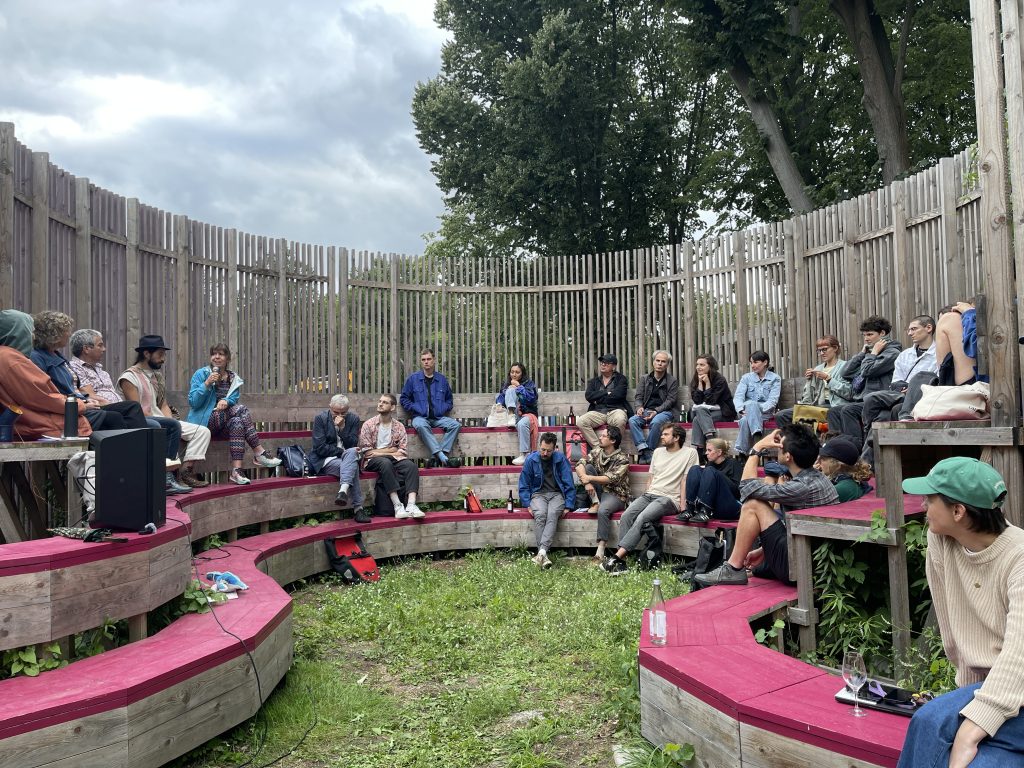
Panel The River Legal Entity, 2024 © Public Art Lab
“Sensitive mapping listens, responds, and evolves—becoming a living form of research.”
In response to this challenge, Public Art Lab developed a culture–led, participatory approach based on sensitive mapping and experimental cartography. Rather than treating biodiversity as a purely scientific or technical issue, the pilot combined artistic practices, ecological knowledge, and citizen engagement to make multispecies life visible, relatable, and culturally meaningful within the city-making process.
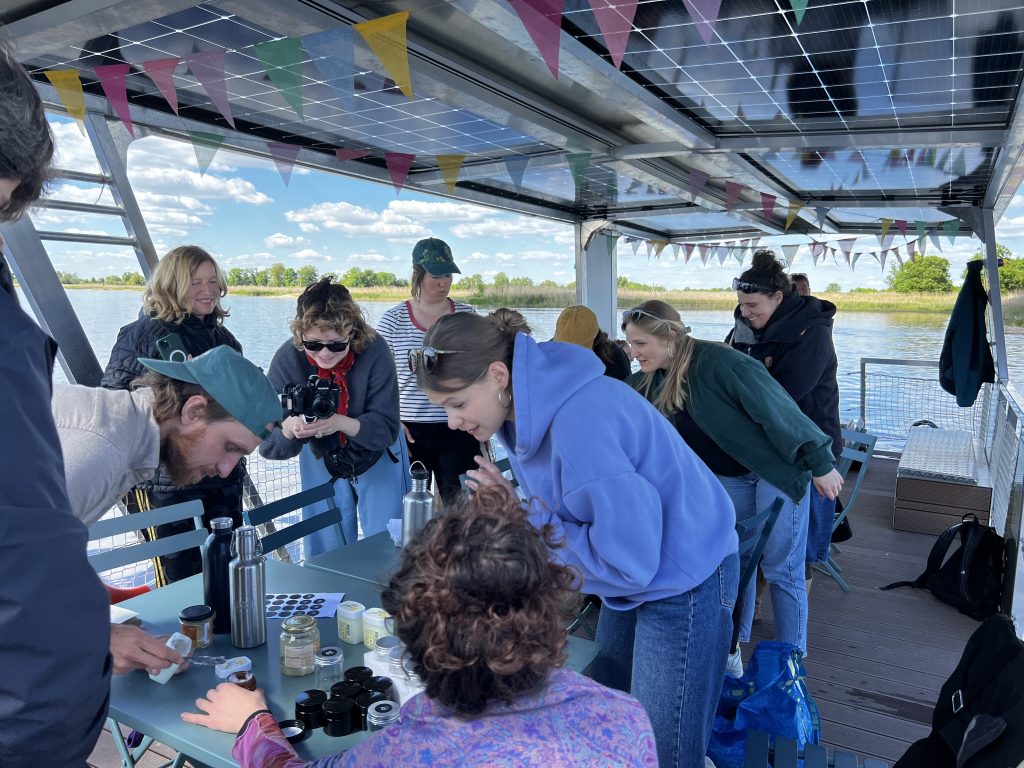
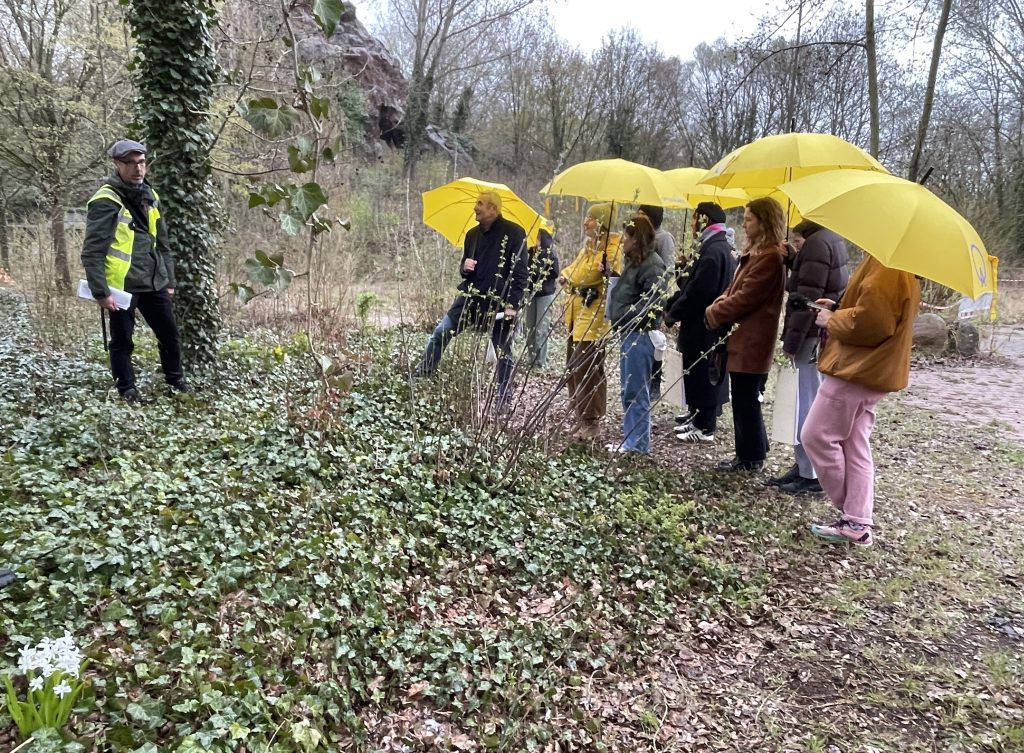
The approach brought together artists, biologists, urban planners, policymakers, students, and local residents in a cross-sectoral collaboration. Through sense-in-place walks, field trips, sensitive mapping, and living research, ecological findings were embedded in social contexts and translated into artistic narratives and performative scenarios. These narratives—developed for The Park (2023) and The River (2024-25)—allowed participants to experience the site from non-human perspectives and to engage emotionally as well as intellectually.
By using co-design processes and public exhibitions, the pilot created spaces for dialogue, learning, and shared responsibility. This approach helped integrate biodiversity concerns into cultural programming and urban transformation, while encouraging citizens to rediscover familiar places through memory, imagination, and multisensory experience.
Key Moments & Decisions
Several key moments shaped and crystallised our approach in the Berlin pilot.
A first crucial decision was to treat biodiversity as a cultural and social issue, not only an ecological one. Early research showed that scientific data alone would not create lasting engagement, which led us to anchor the pilot in artistic practices and sensitive, experiential methods.
A second decisive moment was the choice of sensitive mapping and experimental cartography as the core methodology. This allowed us to connect ecological observations with personal memories, emotions, and everyday experiences, and to make non-human perspectives perceptible.
Building Local Coalitions from the very beginning (from July 2022) was another key step. Actively involving artists, scientists, planners, NGOs, municipalities, and citizens early on helped align different forms of knowledge and ensured that biodiversity concerns entered the city-making process.
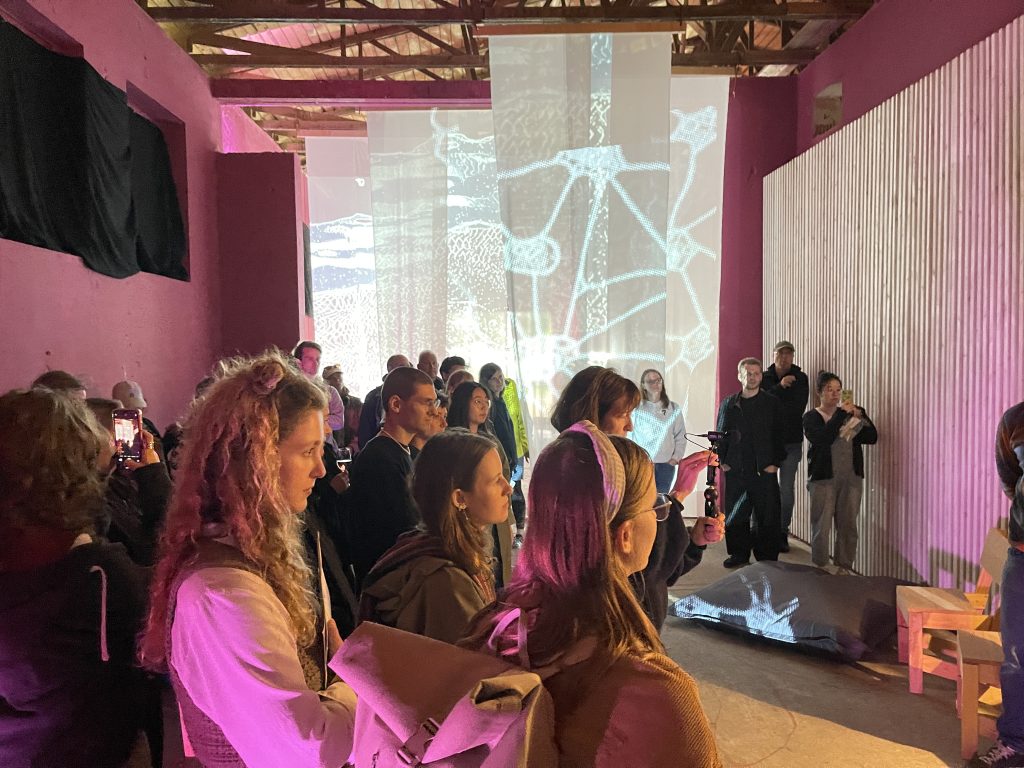
Finally, the public moments—especially the open-air exhibitions (The Park, 2023; The River, 2024-25) and the panel on the rights of the river as a legal entity — were turning points that translated research into shared public discourse, giving the pilot a clear shape and presence.
Challenges
One major challenge was working within an active urban redevelopment process while advocating for biodiversity. Ecological concerns risked being sidelined by planning regulations, safety requirements, and economic priorities. We addressed this by embedding our work directly into the city-making context, collaborating closely with municipal actors and planners (Grün Berlin GmbH, Spreepark Art Space) so that biodiversity was discussed as part of ongoing transformation rather than as an external critique.
A second challenge was the gap between scientific knowledge and public engagement. Scientific data alone did not create emotional connection or shared responsibility. We responded by translating ecological findings into artistic narratives, multisensory experiences, and participatory formats that made complex processes accessible and relatable.
Another difficulty lay in cross-sector collaboration. Different actors worked with different languages, timelines, and expectations. Establishing Local Coalitions early on, creating regular moments of exchange, and using co-design formats helped align perspectives and build trust.
Finally, engaging citizens meaningfully required moving beyond information-sharing. Sensitive mapping, storytelling, and public exhibitions enabled participants to reconnect with the site through memory and imagination, fostering long-term engagement and care.
Qualitative Impact
Key Lessions & Insights
The Berlin pilot generated impact beyond its immediate participants by increasing public awareness, cultural visibility, and cross-sector dialogue around biodiversity in urban transformation. Through the open-air exhibitions and the market of biodiversity (The Park 2023, The River 2024-25), public panels and the biodiversity in action lab at TINCON/republica and accessible artistic formats, the project reached a broad audience of local residents, visitors, professionals, decision-makers, and young people (TINCON) many of whom had not previously engaged with biodiversity as a cultural or city-making issue.
Qualitatively, the pilot contributed to a shift in perception: the Spreepark and its river communities of the Spree were increasingly discussed not only as recreational or development sites, but as multispecies ecosystems and shared urban commons. The project strengthened collaboration between cultural actors, environmental experts, and municipal stakeholders, embedding biodiversity concerns more visibly into regeneration discussions.
The panel on the rights of the river as an ecosystem and legal entity extended the project’s impact into policy and legal discourse, connecting local debates to international Nature Rights movements. Overall, the pilot helped position culture-led, participatory approaches as credible tools for biodiversity advocacy and sustainable urban regeneration.
A key insight from our journey is that biodiversity becomes meaningful only when it is experienced, not just explained. Scientific data is essential, but on its own it rarely creates emotional connection, responsibility, or care. Artistic and sensory approaches are crucial for translating ecological complexity into lived experience.
We also learned that urban biodiversity is inseparable from social and cultural contexts. Memories, everyday practices, and power relations strongly shape how people relate to places like the Spreepark and the river and its communities. Addressing ecological challenges therefore requires engaging with cultural narratives and local histories, not only environmental facts.
Another important lesson was the value of early and sustained cross-sector collaboration. Building Local Coalitions from the start helped align different forms of knowledge and prevented biodiversity from being treated as an afterthought in redevelopment processes.
Finally, we learned that giving space to non-human perspectives—even in speculative or artistic ways—can shift human viewpoints and open new conversations about responsibility, cohabitation, and the rights of ecosystems.
”You care for what you love!”
Legacy: Looking 10 years ahead
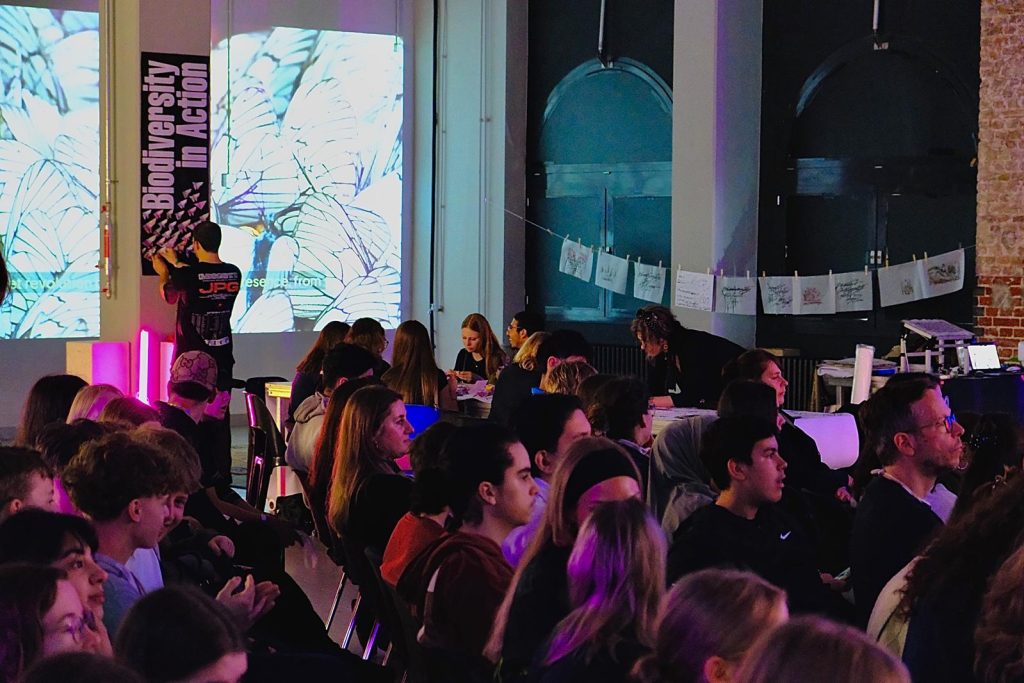
“Making non-human beings visible and giving them a voice to a wider public.”
In ten years, we would like this initiative to be applied as a model for integrating biodiversity into urban regeneration through culture. Its lasting contribution would be to show that culture-led, participatory approaches can make ecological complexity visible, meaningful, and actionable within city-making processes.
We hope that Spreepark Art Space will still continue to integrate sensitive mapping and experimental cartography in their educational programme as recognised methodologies that bridge art, ecology, and urban planning—methods that complement scientific data by adding emotional, social, and cultural dimensions. It should become a model to be adopted by other cultural institutions, municipalities, and educational programmes as standard tools for addressing biodiversity and climate challenges.
For the local community, the legacy would be a long-term culture of care for places like the Spreepark and the River Spree and Elbe, where citizens see themselves as co-inhabitants alongside non-human life. Ultimately, we want the project to contribute to a shift in values—towards recognising urban ecosystems as shared commons with rights, agency, and voices of their own.
Cluster: Biodiversity
At the Berlin pilot site, biodiversity was addressed by recognising the Spreepark and its river landscapes as places of high but fragile ecological potential shaped by years of abandonment and spontaneous ecological regeneration. The site had developed into a mosaic of habitats—wooded areas, open clearings, water edges, and ruins—supporting a wide range of plant, animal, and microbial life. Our ambition was not to “add” biodiversity through design, but to make existing ecological processes visible, valued, and connected to the wider urban ecology of Berlin, especially through the river as a linking corridor between habitats.
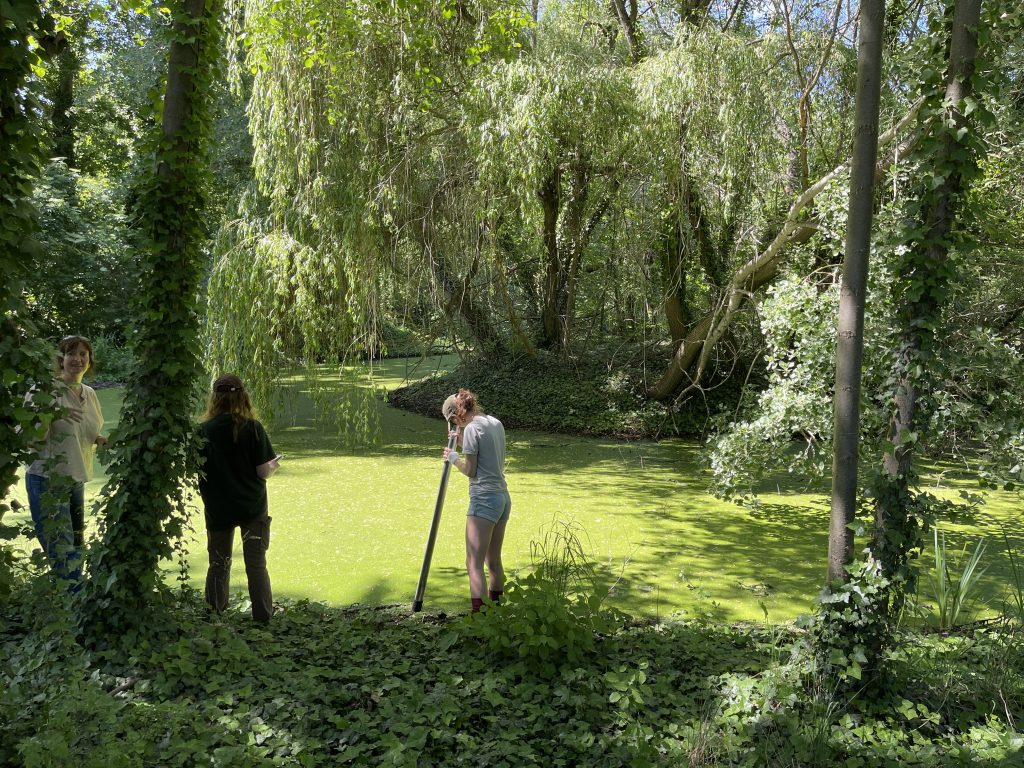
The project focused on strengthening relationships between human and non-human inhabitants by shifting perception and behaviour. Through sensitive mapping, sense-in-place walks, citizen science, and artistic observation tools, participants were invited to experience the site from non-human perspectives—listening to plants, following animal movement patterns, or engaging with soil and water as living systems. These practices functioned as informal rituals of attention and care, slowing down movement, encouraging listening, and fostering respect for more-than-human presence. Spatial interventions were intentionally light and temporary, allowing existing habitats to remain undisturbed while creating moments of encounter and reflection rather than permanent infrastructure.
Culture-led strategies played a central role in this process. Artistic narratives, performative mapping scenarios, public exhibitions, and collective storytelling translated complex ecological relationships into shared experiences that could be felt rather than only understood intellectually. These approaches helped bridge the gap between scientific knowledge and everyday perception, encouraging emotional connection, curiosity, and responsibility. As a result, biodiversity became a common reference point for dialogue between citizens, cultural actors, and planners. Rather than measuring success solely through ecological indicators, the project demonstrated that cultural engagement can be a powerful driver of ecological awareness, laying the groundwork for long-term care, inclusive stewardship, and a deeper understanding of urban ecosystems as shared, living commons.
Watch the video documentation “The River- Interfacing, Relational Mapping and Storytelling” organised with Katja Aßmann director of the Spreepark Art Space, Yin Boribun, Prof. Myriel Milicevic and her students from Design FH Potsdam during the summer 2024:
Discover the Pilot:
Explore Spreepark Horizontal
Explore Spreepark Vertical
Wander the Spreepark Paths
Discover the Spree Cohabitation