Festivities Under Siege - School of the Feral Grounds Closing Conference (Future DiverCities capacity building activities closing), 20–22 May 2026, Krater, Ljubljana
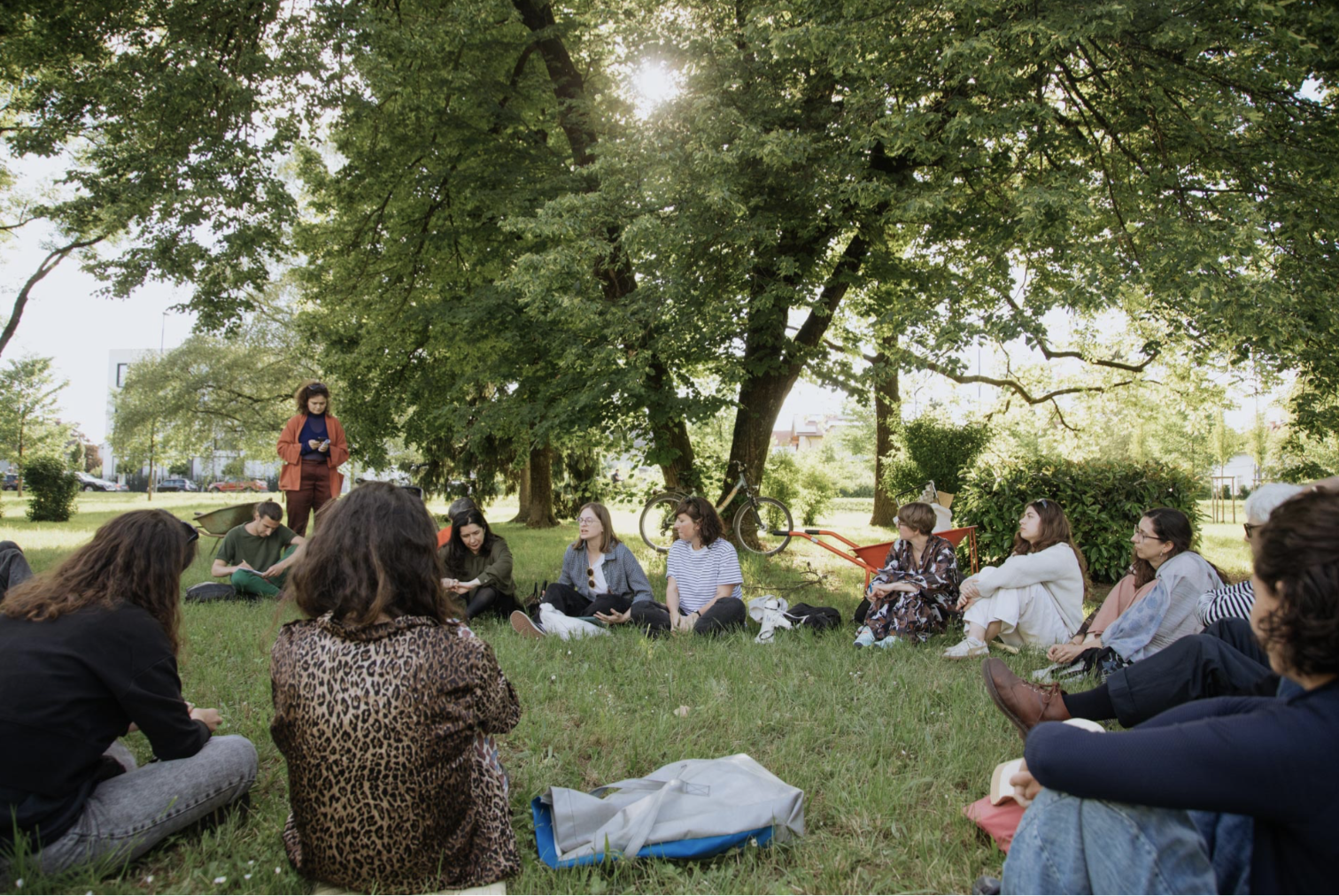
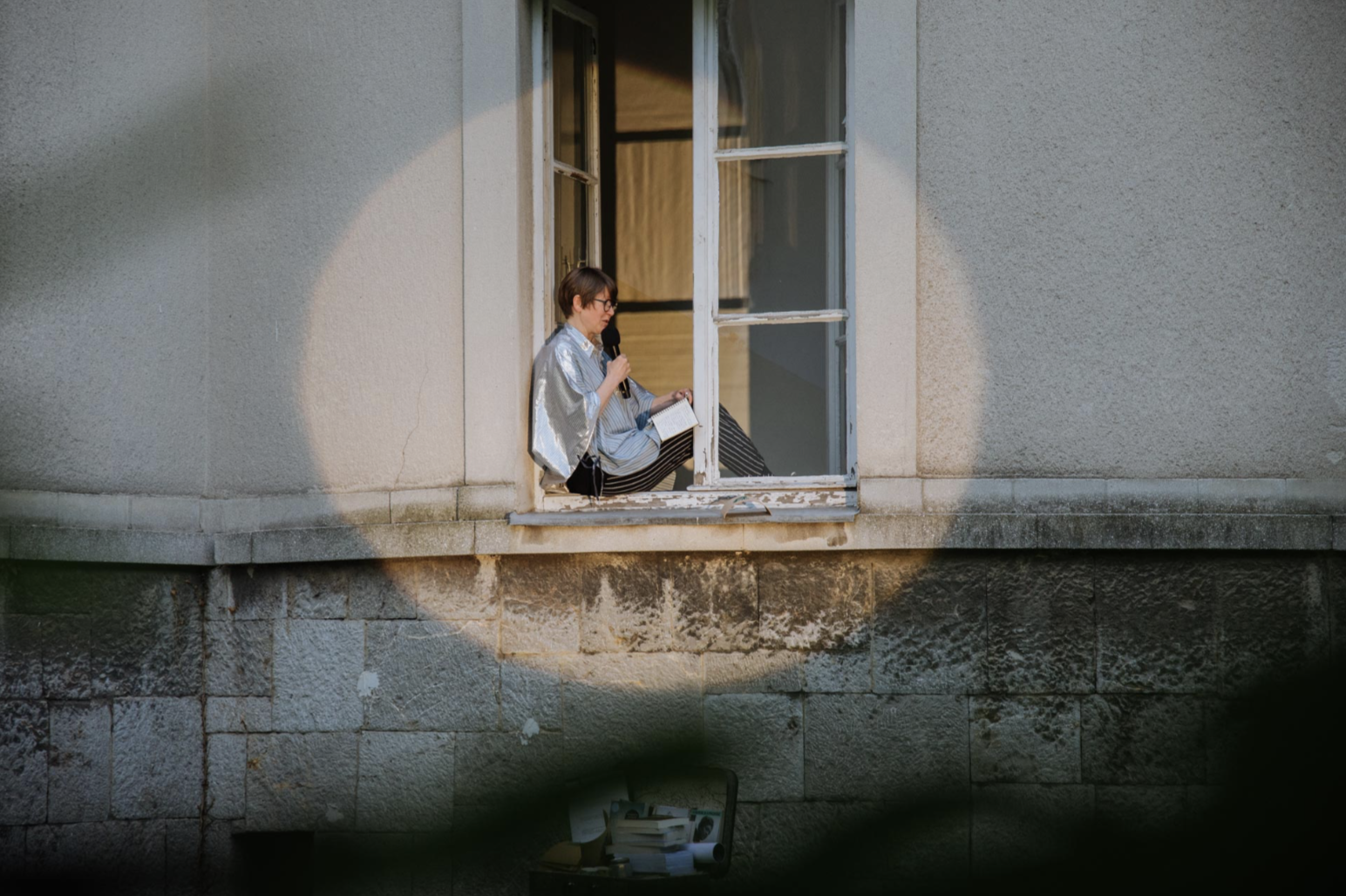
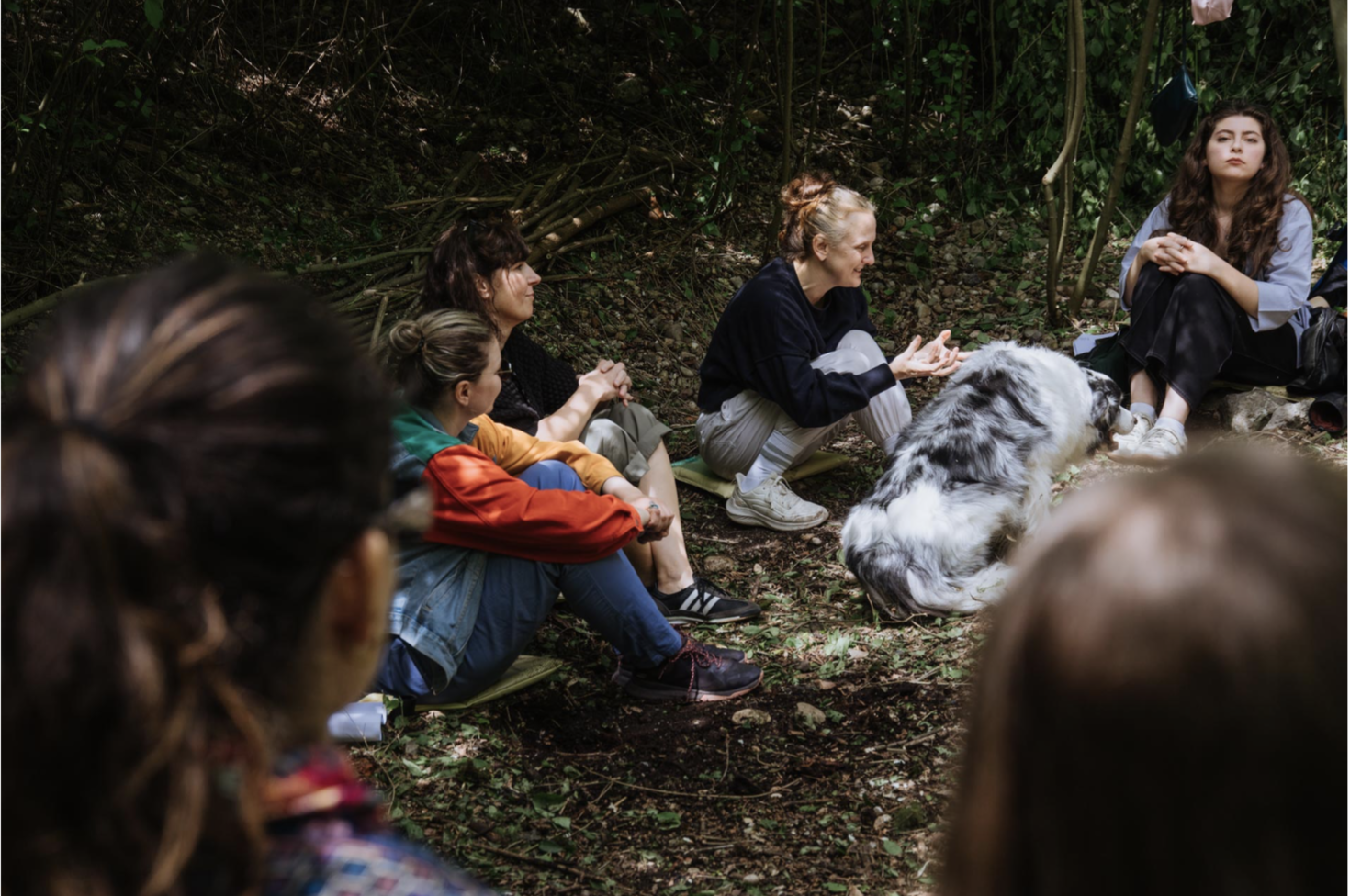
The closing event of Future DiverCities’ School of the Feral Grounds took the form of a three-day conference at Krater, Ljubljana, bringing together culture-led ecosocial practitioners from across Europe and beyond. Curated by Danica Sretenović and Gaja Mežnarić Osole (TRAJNA), the event was framed around the tension between siege and festivity — understanding both as intertwined rather than opposing conditions — the programme used walks, talks, workshops, assemblies, performances and mourning sessions to explore how spaces under pressure can still become grounds for care, resistance and collective imagination.
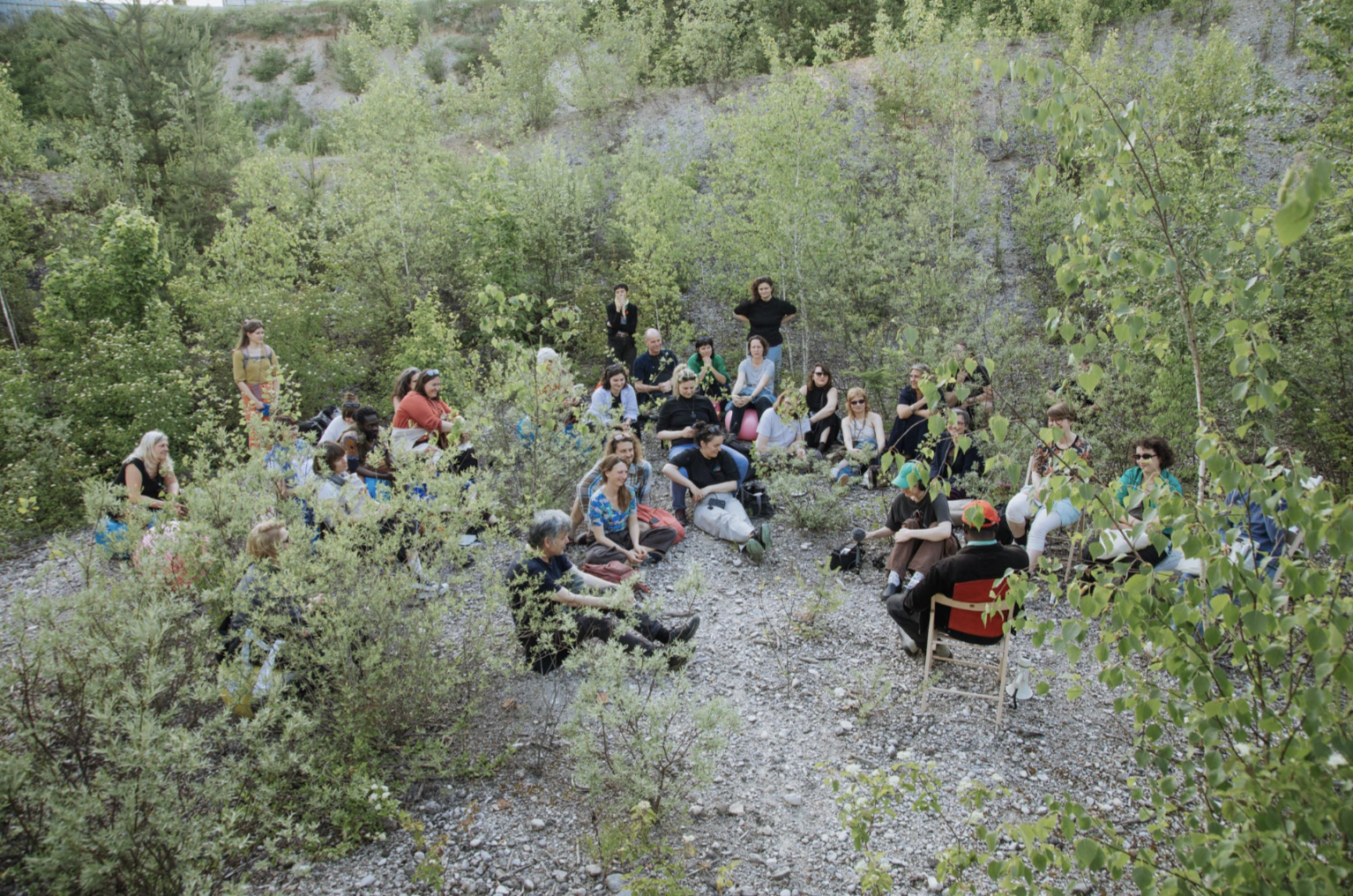
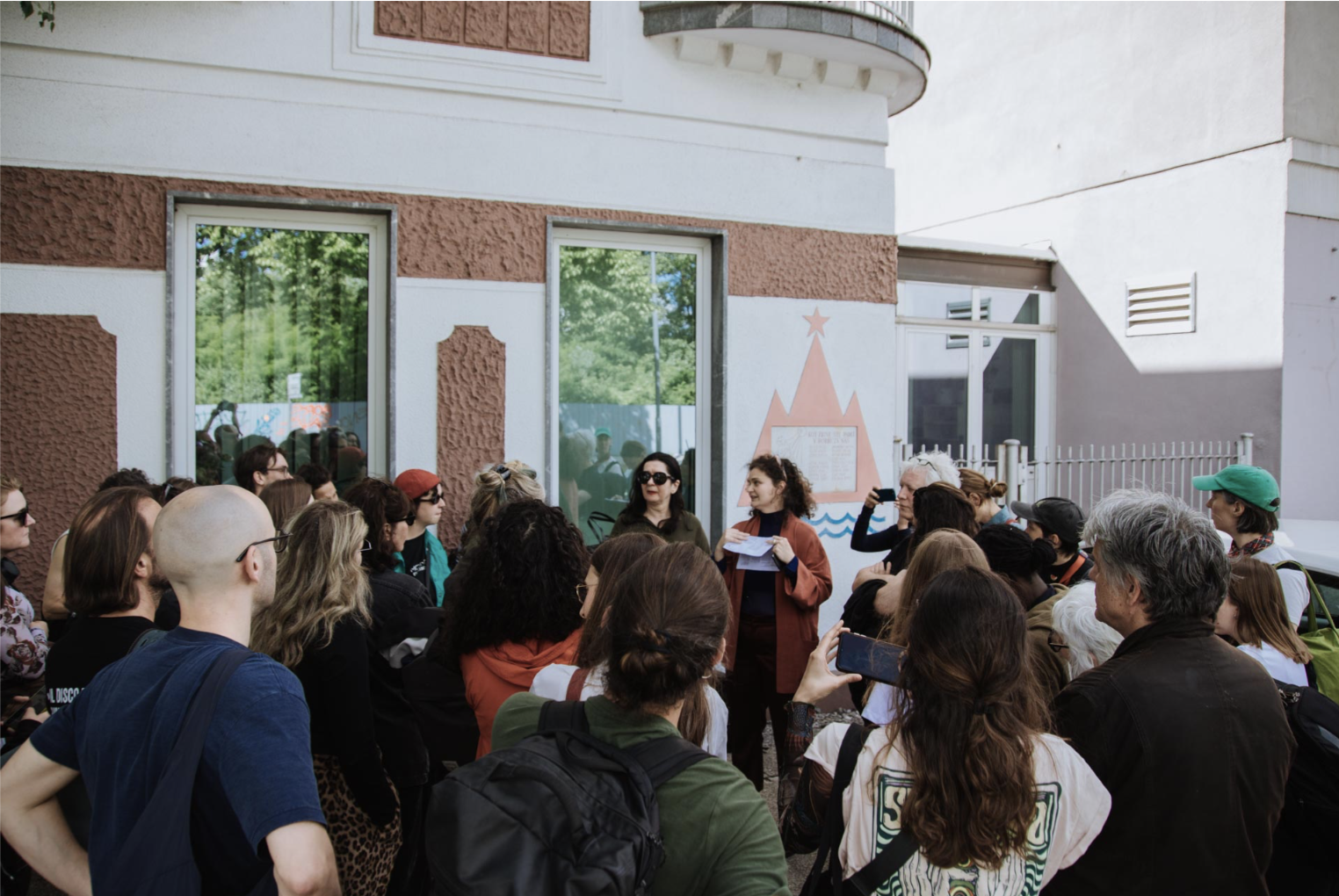
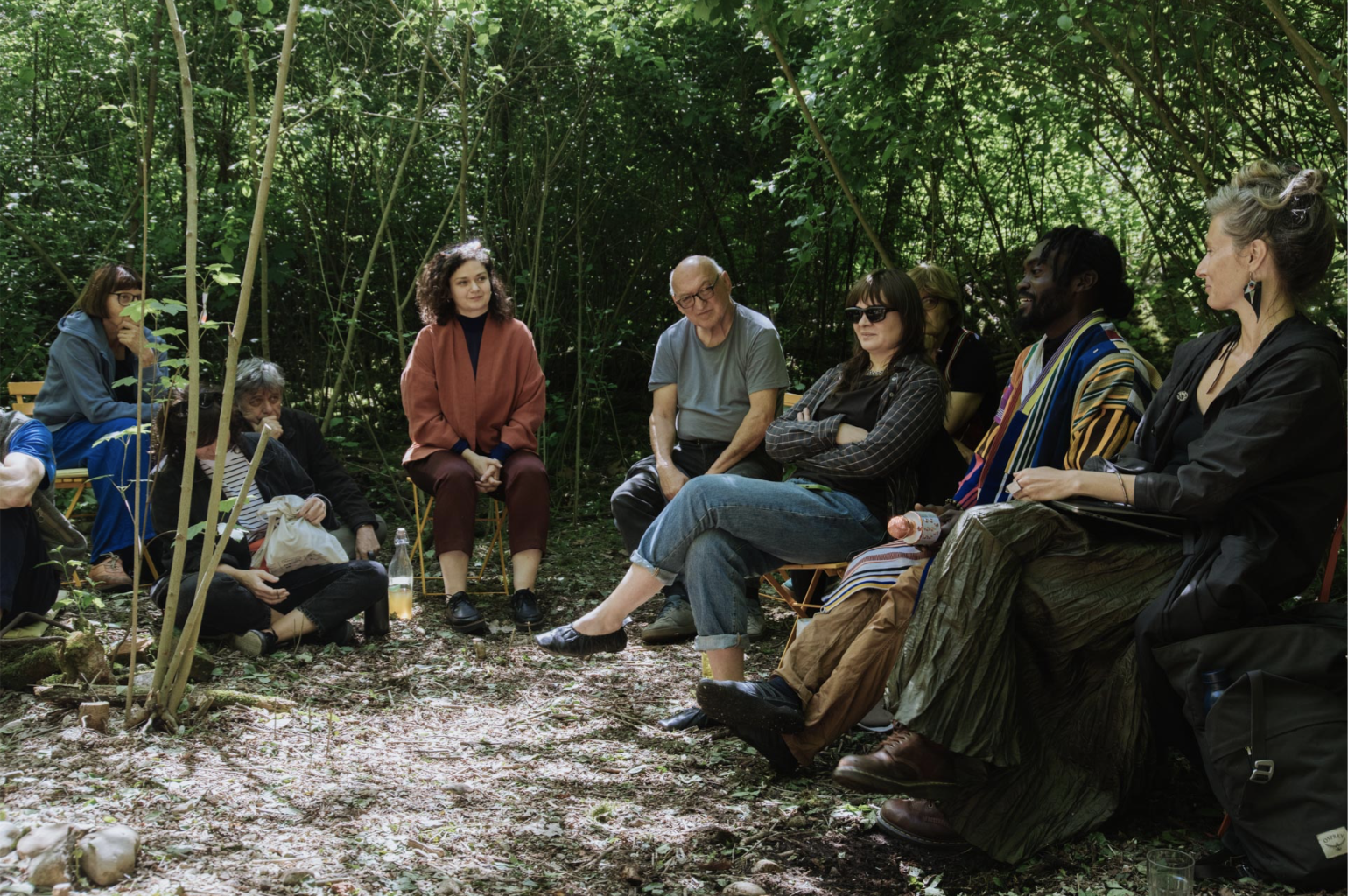
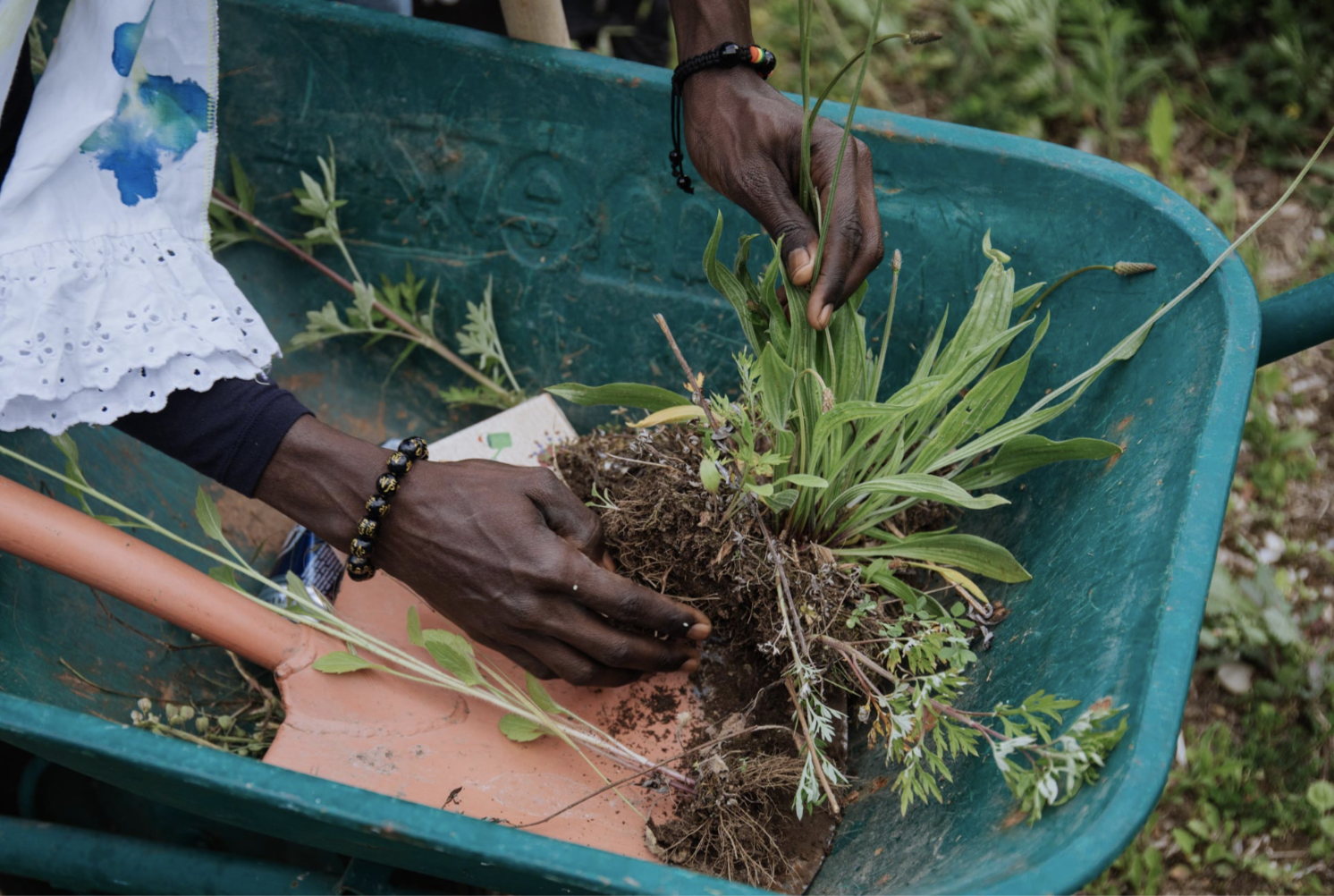
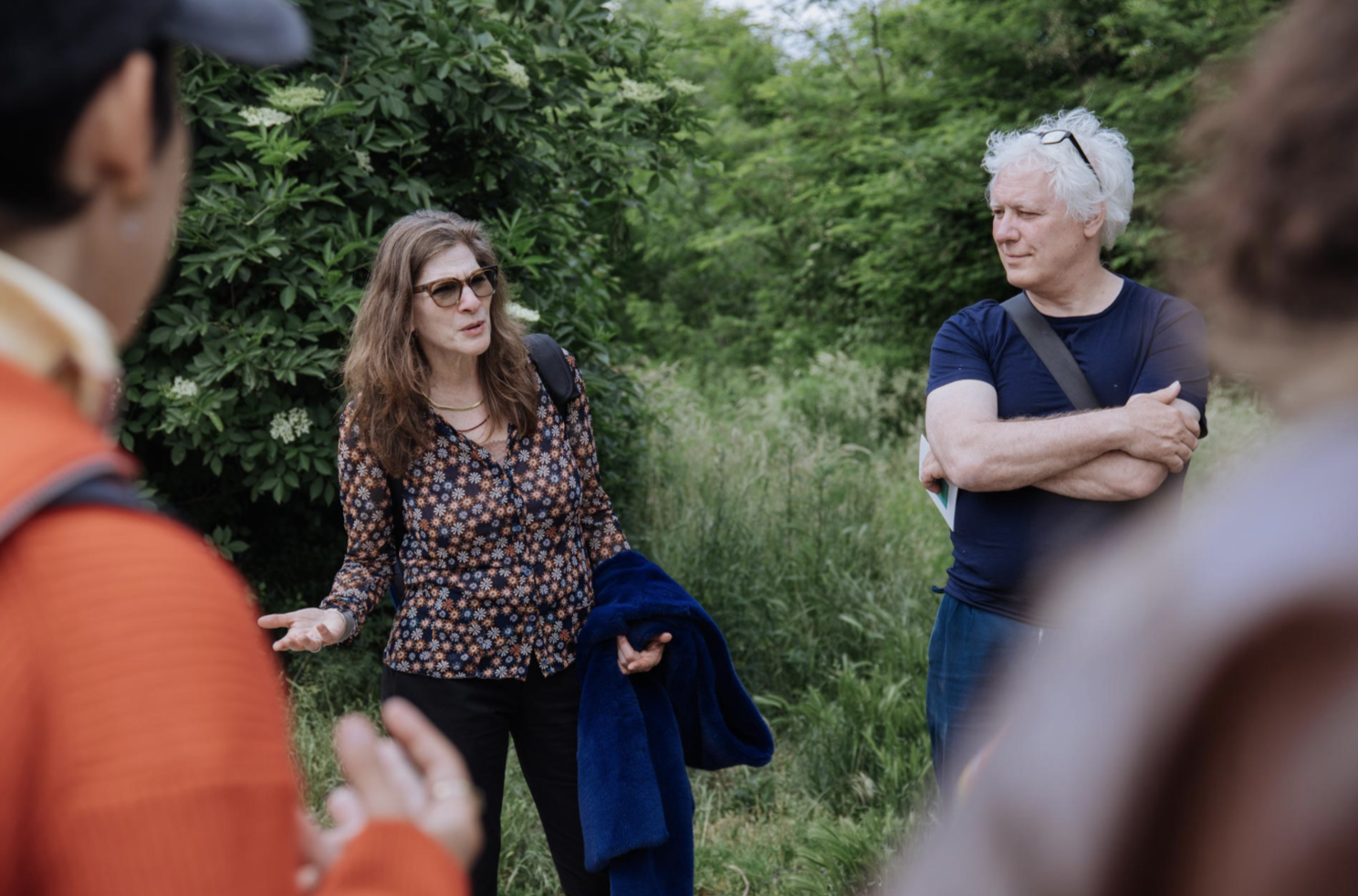
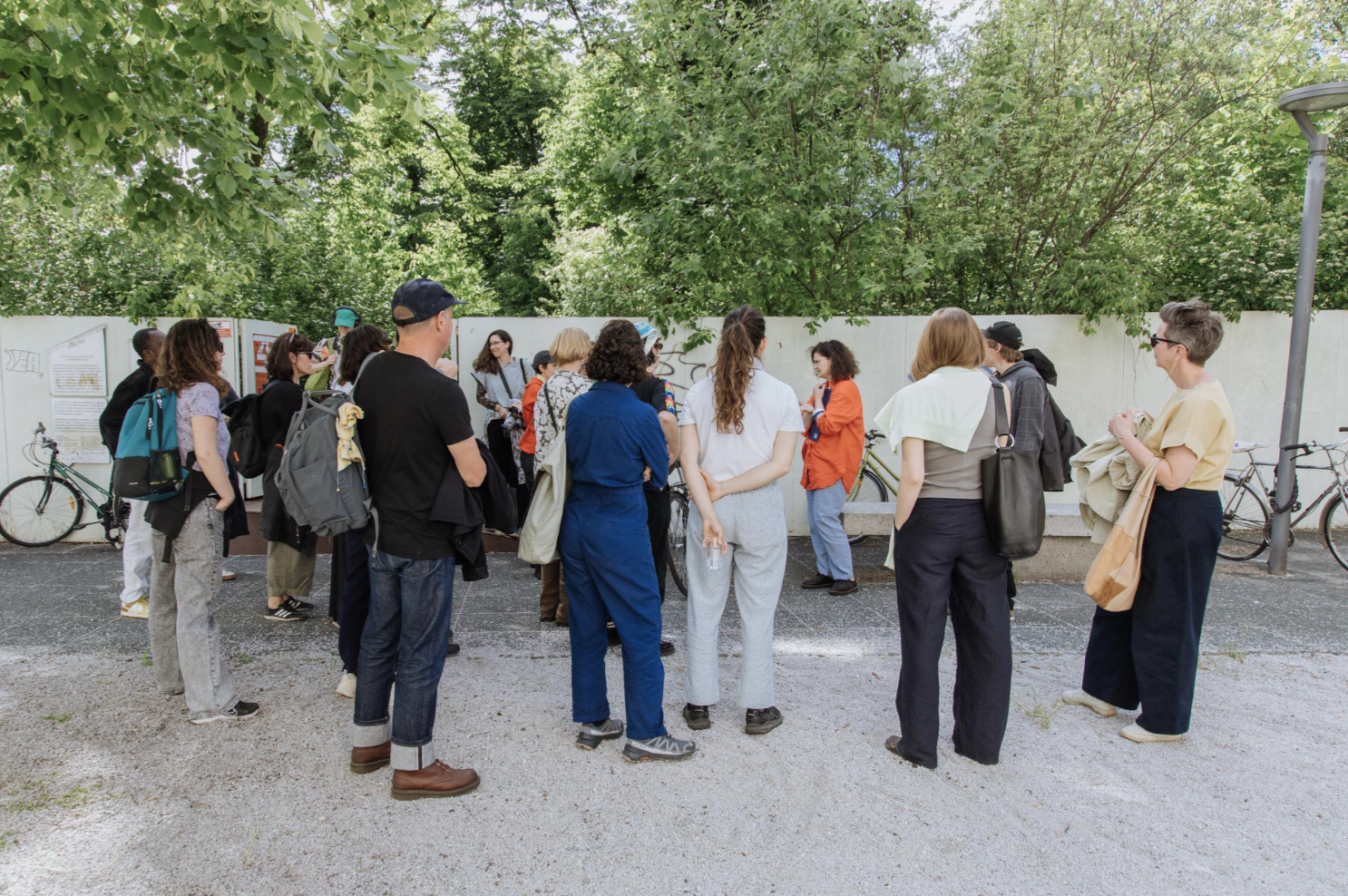
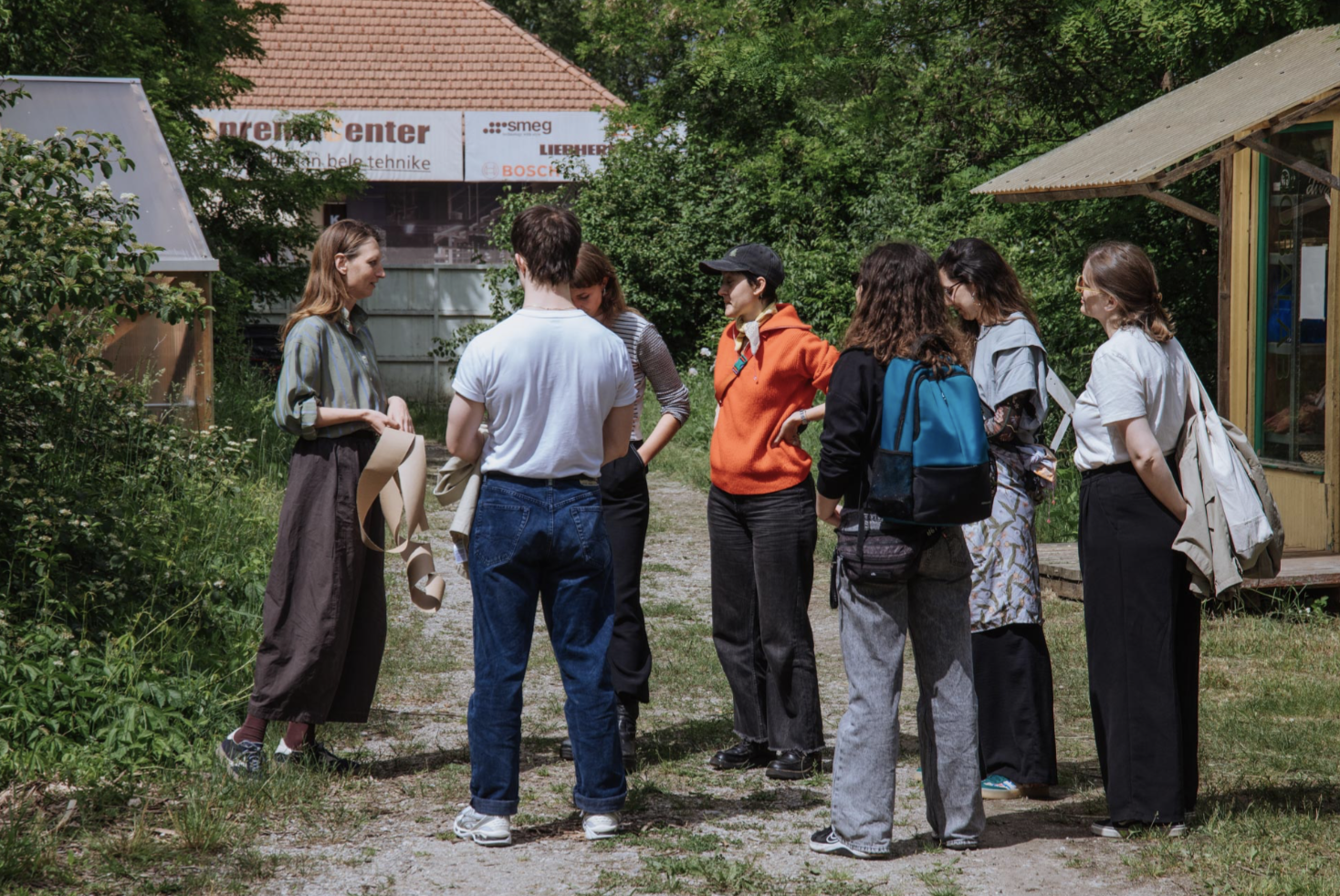
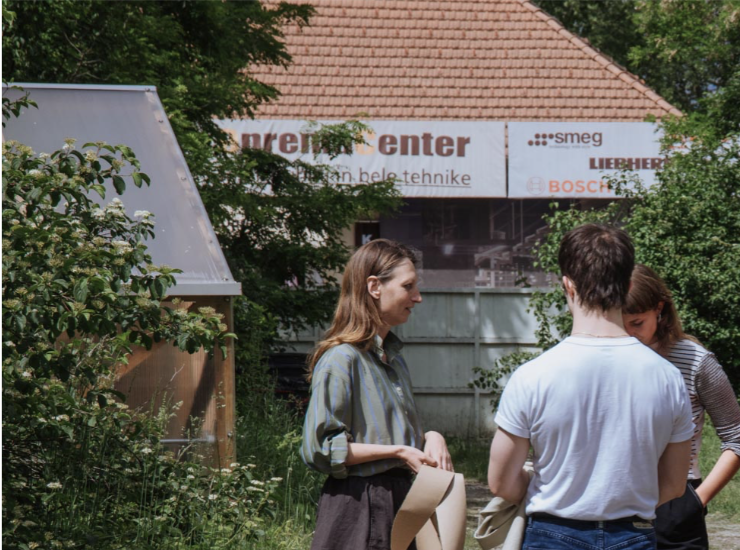
During the conference’s first day participants explored movement under restriction as a theme. The sessions started with critical reflections on deregulated urbanism in Serbia and Sweden and were followed by discussions on affective infrastructures of care and more-than-human coexistence. Site walks at Krater traced its paradoxical identity as a feral ecology, art venue, construction site and school of urban ecology, while a lecture and walk by landscape architects Robin Winogrond and Thilo Folkerts situated Krater within broader patterns of urban habitat and residual ecologies across Ljubljana.
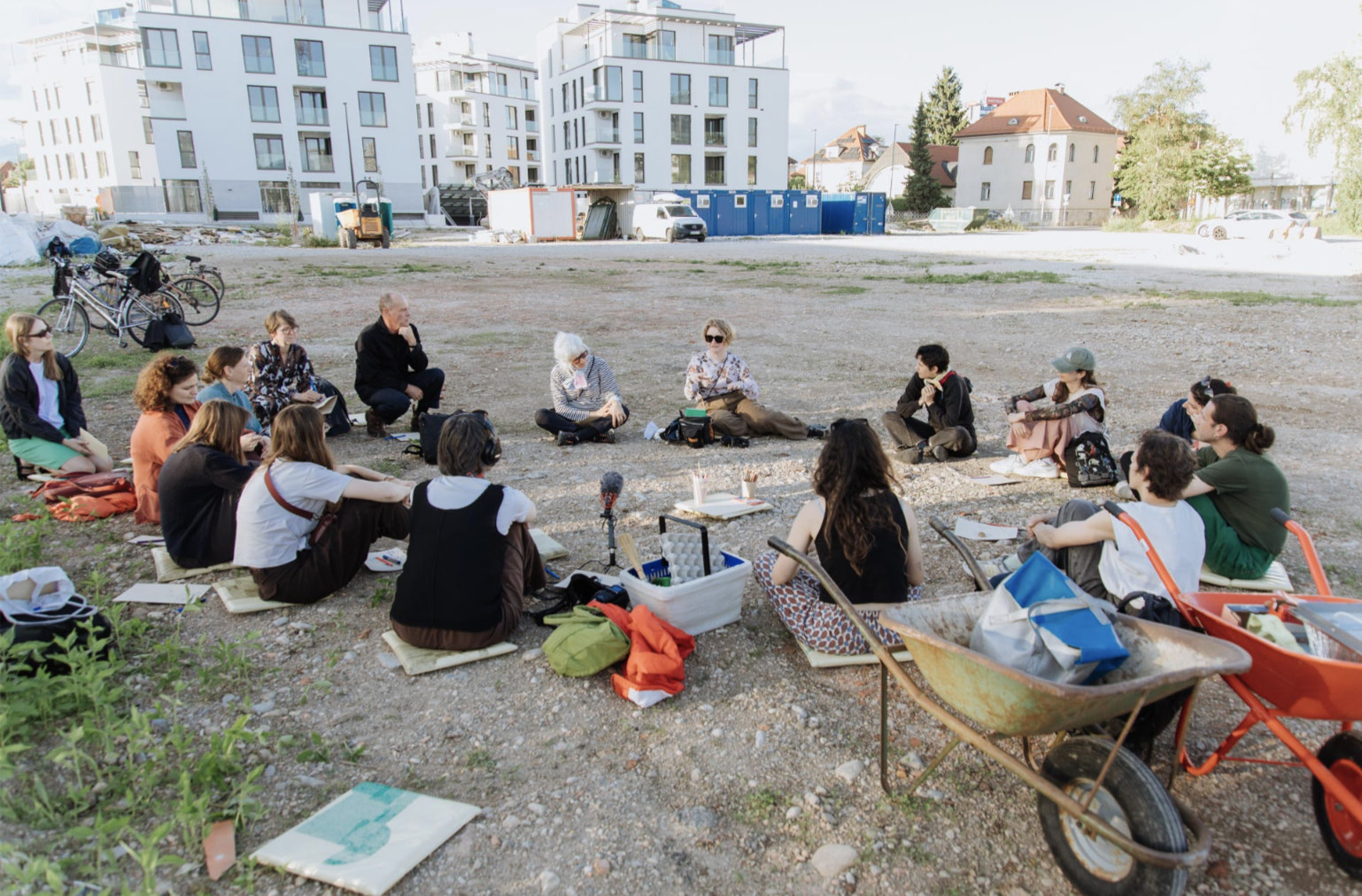
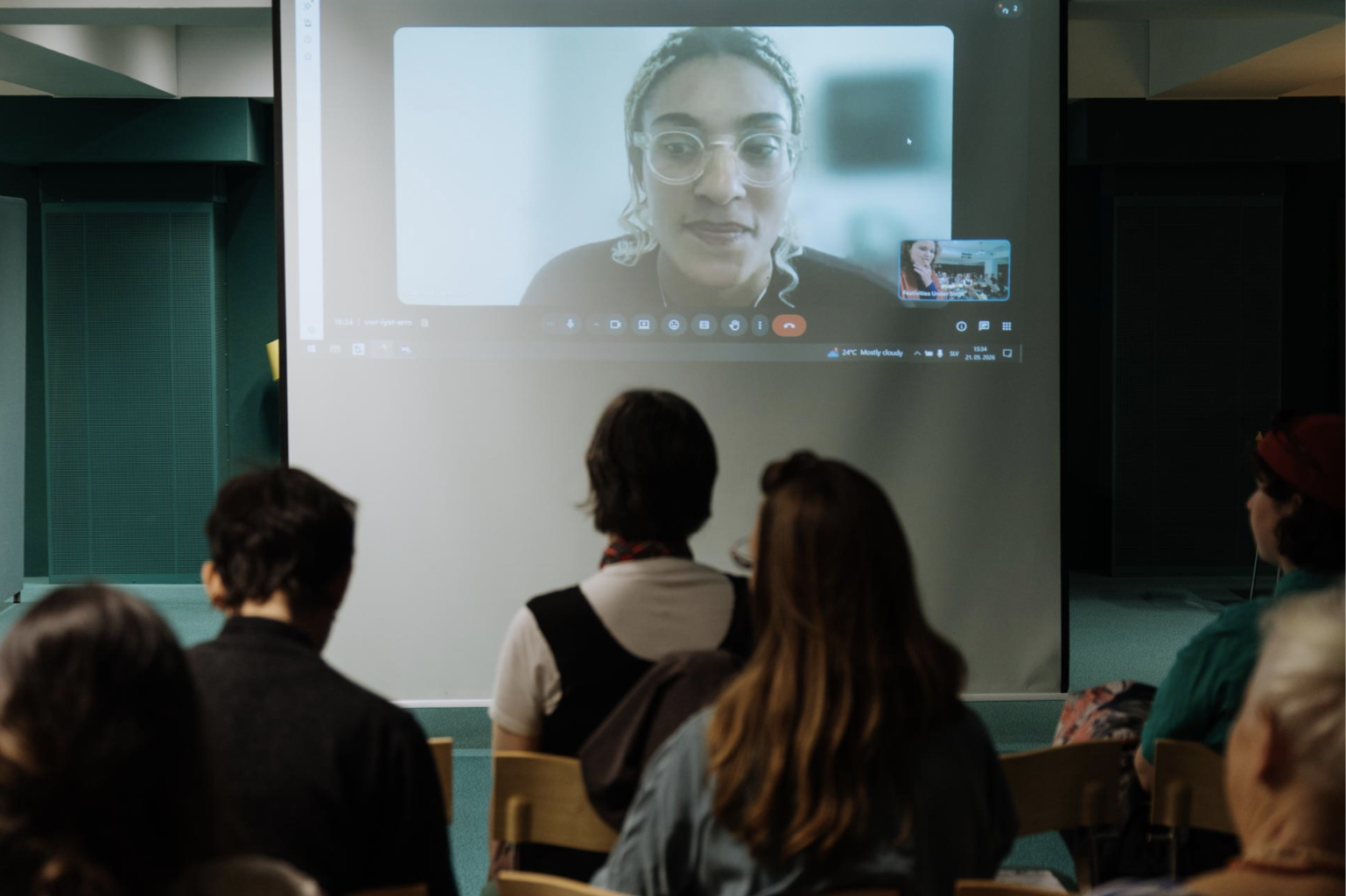
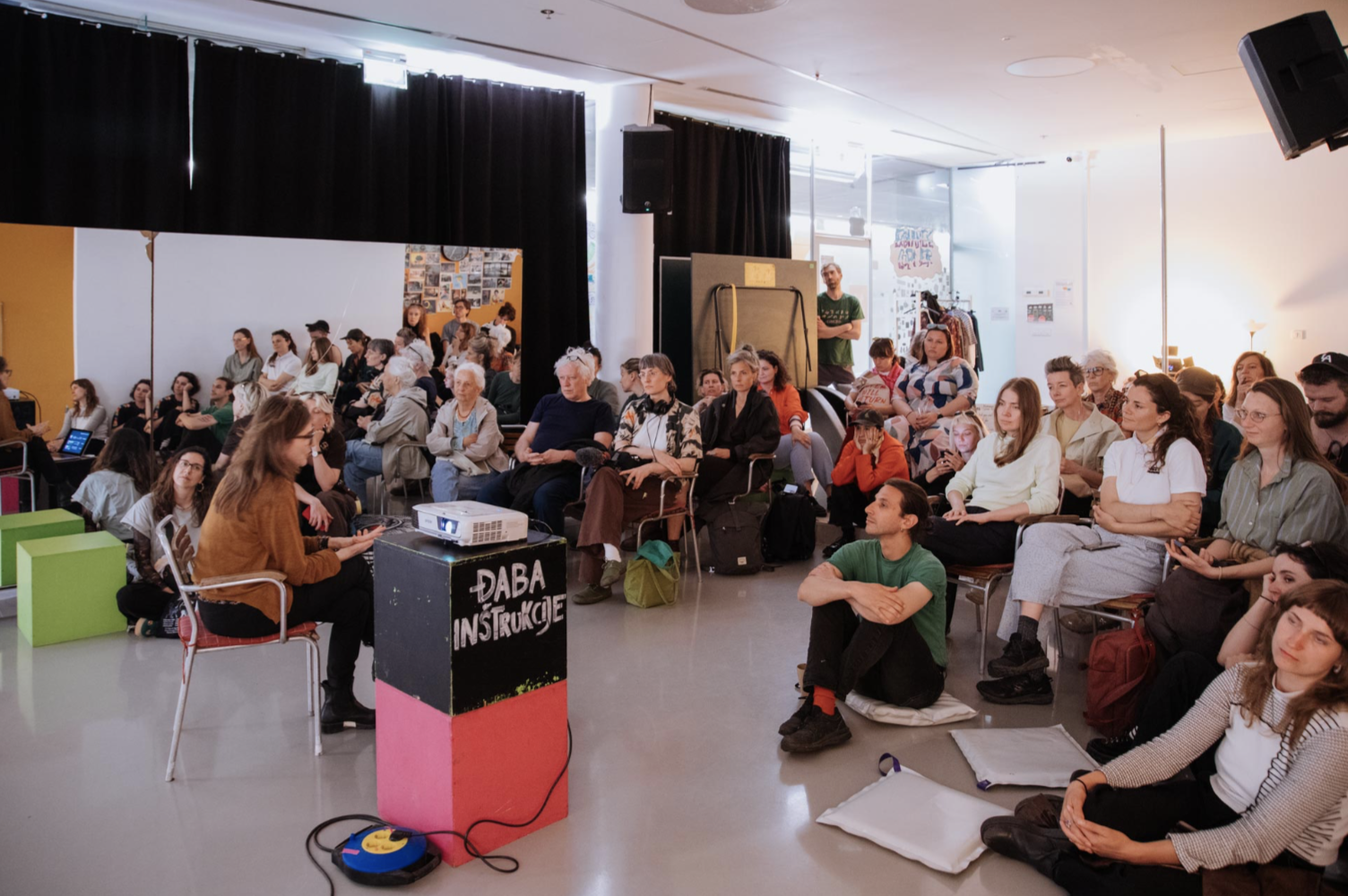
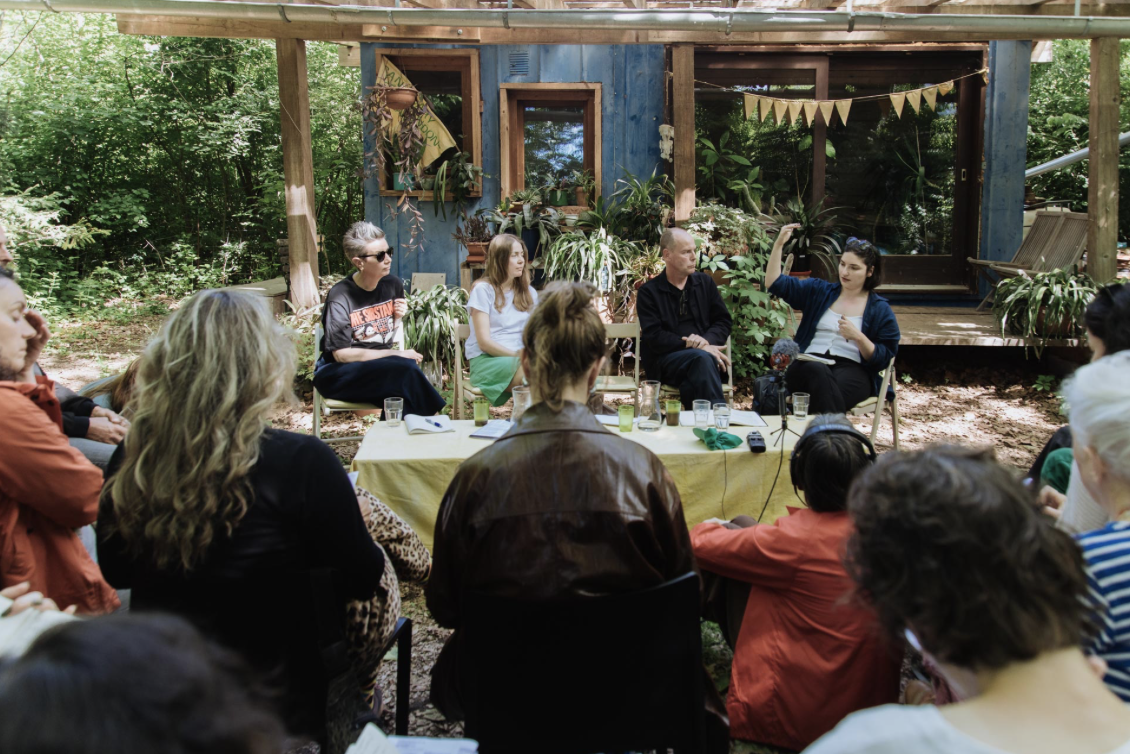
The second day centred on commoning and cultural memory. A public assembly brought together representatives of grassroots cultural initiatives from Athens, Naples, New York, Serbia and Marseille — including Future DiverCities’ initiator Laëtitia Manach — to reflect on how long-term commons-oriented practices can be sustained within and beyond EU funding structures. A parallel strand addressed political erasure and cultural archives, drawing on experiences of the siege of Sarajevo, student movements in Serbia, and disobedient architectures rooted in Afro-Brazilian and decolonial traditions. The day closed with a collective mourning session at the site of a demolished community dance centre, replaced by luxury real estate.
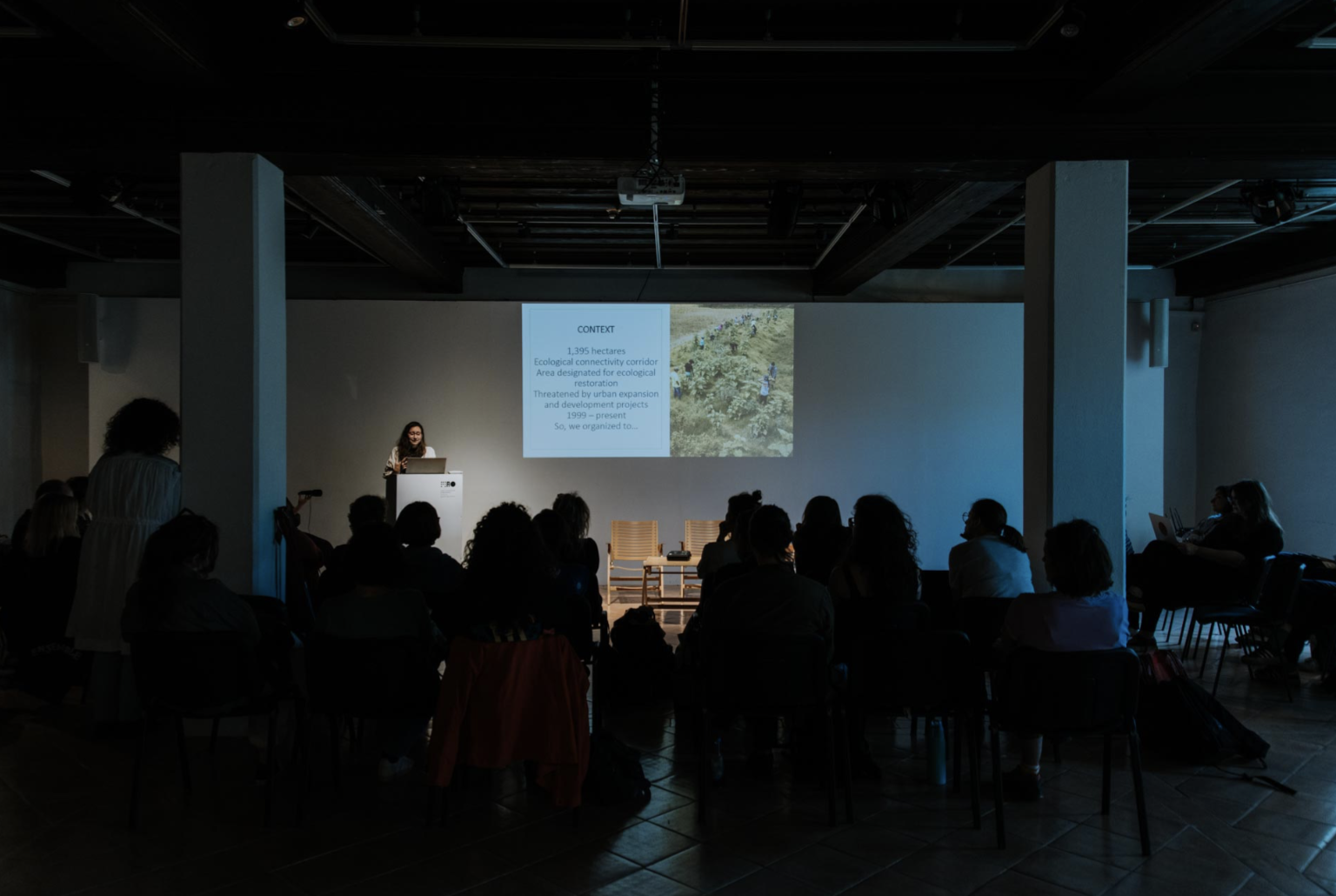
Legal imagination and environmental justice were the focus of the third day, bringing together case studies from Bogotá, Naples, Amsterdam and Ljubljana to explore how law can become a tool for protecting ecological and collective spaces. The programme concluded with a lecture on curating as a contingent, self-subverting and collective practice oriented toward uncertain futures.
Across the three days, Krater emerged not simply as a venue but as a method — a site for reading the pressures of deregulated urbanism and ecological loss while experimenting with festivity, stewardship, storytelling and disobedient care as forms of resistance and life-making.