Re-imagining Impact: What Did Future DiverCities Change — and How?
How can culture-led regeneration truly make a difference in our cities? And how can we understand its impact before it is too late to adjust course?
This research paper by Hannu Autti, Laura Pakarinen and Johanna Partio from Savonia University, presents the results of the Prospective Impact Assessment Process (PIAP) carried out within the Future DiverCities project.
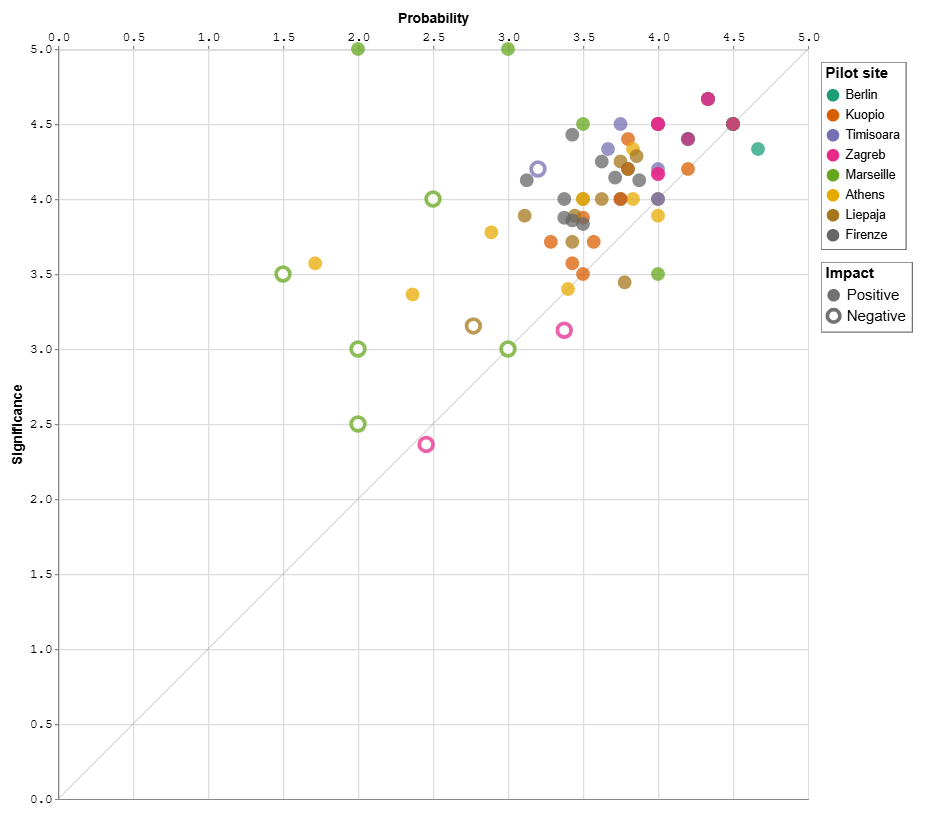
PIAP was implemented across our eight city pilots: Berlin, Zagreb, Liepaja, Kuopio, Marseille, Florence, Timișoara and Athens, each testing a different approach to transforming underused urban spaces through culture. Rather than evaluating impact only at the end, PIAP helped project teams anticipate possible outcomes early on, reflect on risks and opportunities, and steer their actions accordingly.
The paper brings together insights from workshops, stakeholder surveys, and collaborative analysis across all pilots. It highlights which activities were perceived as most impactful by local communities and partners, and how these actions align with the United Nations Sustainable Development Goals (SDGs).
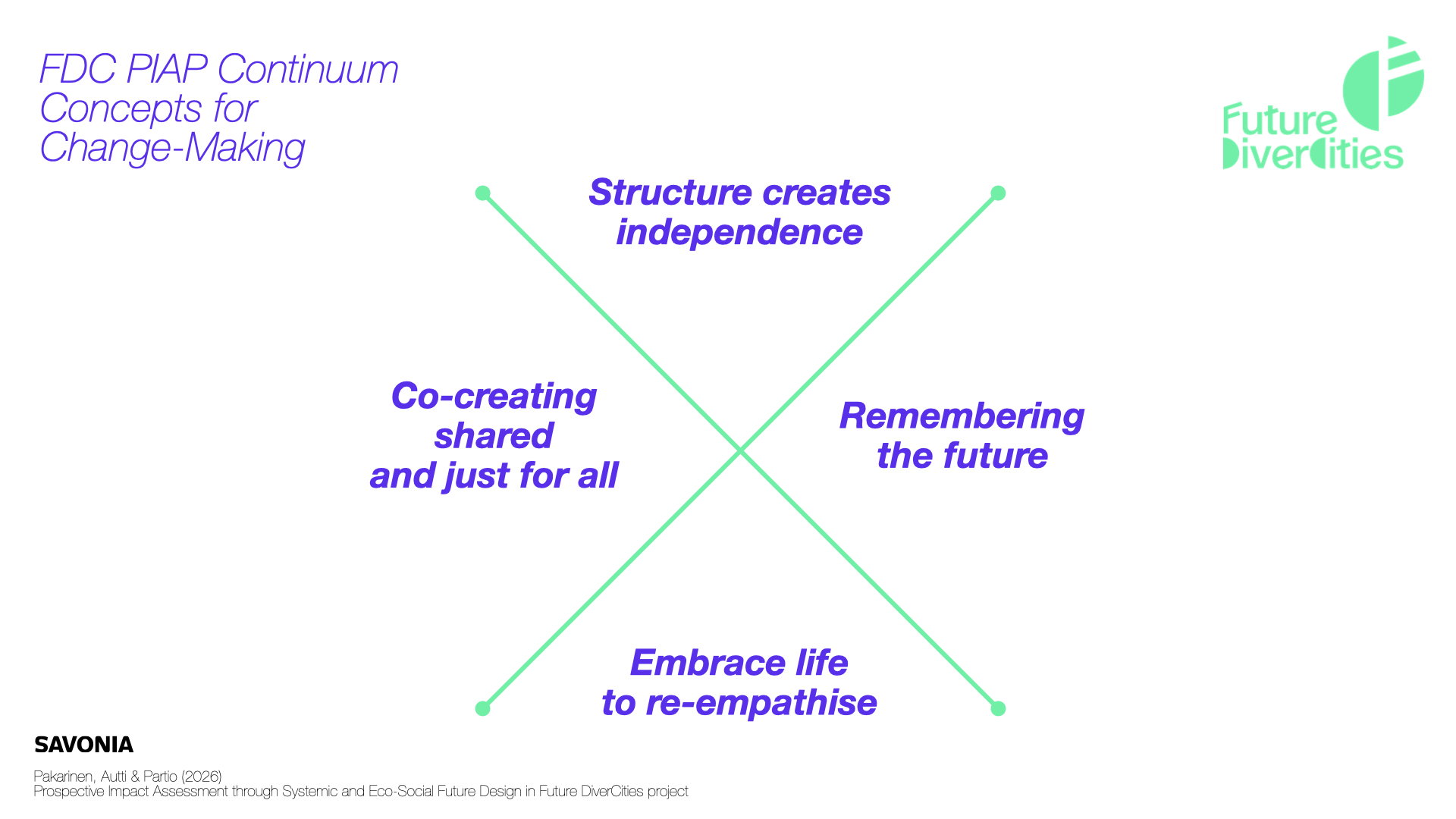
Beyond evaluating results, the paper introduces a forward-looking framework for change-makers. It presents key lessons from the PIAP methodology and proposes a set of policy-oriented concepts designed to support eco-social regeneration, participatory governance, and long-term urban transformation.
This research paper is a practical and conceptual guide for anyone interested in designing cultural projects that create meaningful, systemic, and sustainable change.