REPORTING FROM THE FRONT
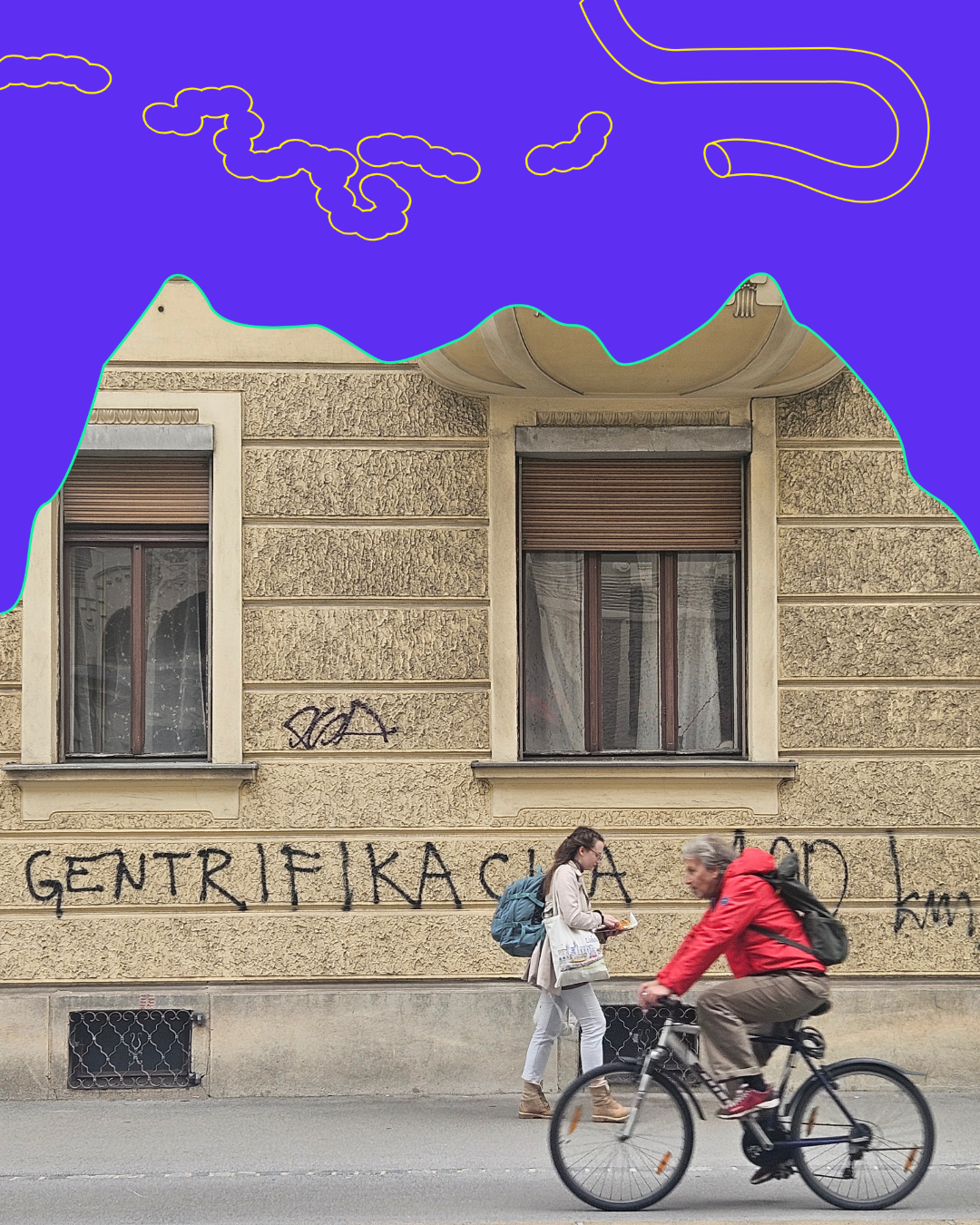
The School of Feral Grounds podcast episode Reporting from the front takes as its starting point a shared experience across the FD network: the increasing difficulty of securing and maintaining physical space for cultural, ecological, and civic practices. Across Europe, partners are encountering a landscape in which even underused, degraded, or “temporary” sites are no longer accessible. Agreements are revoked, commons disappear, and land is treated as a speculative asset rather than a shared resource. These conditions raise urgent questions about who gets to access, own, safeguard, or extract value from land—and what forms of presence remain possible (without ownership).
The conversation unfolds with our guest, Sofija Stefanović, a researcher and organiser based between the UK and Serbia. Sofija works closely with grassroots groups resisting extractive industries, conducting collaborative research and action grounded in feminist science and technology studies, critical design, and environmental justice organising. As a PhD candidate at the University of Cambridge, her work contributes to building holistic security infrastructures for environmental defenders, centring collective care, marginalised experiences, and long-term movement sustainability.
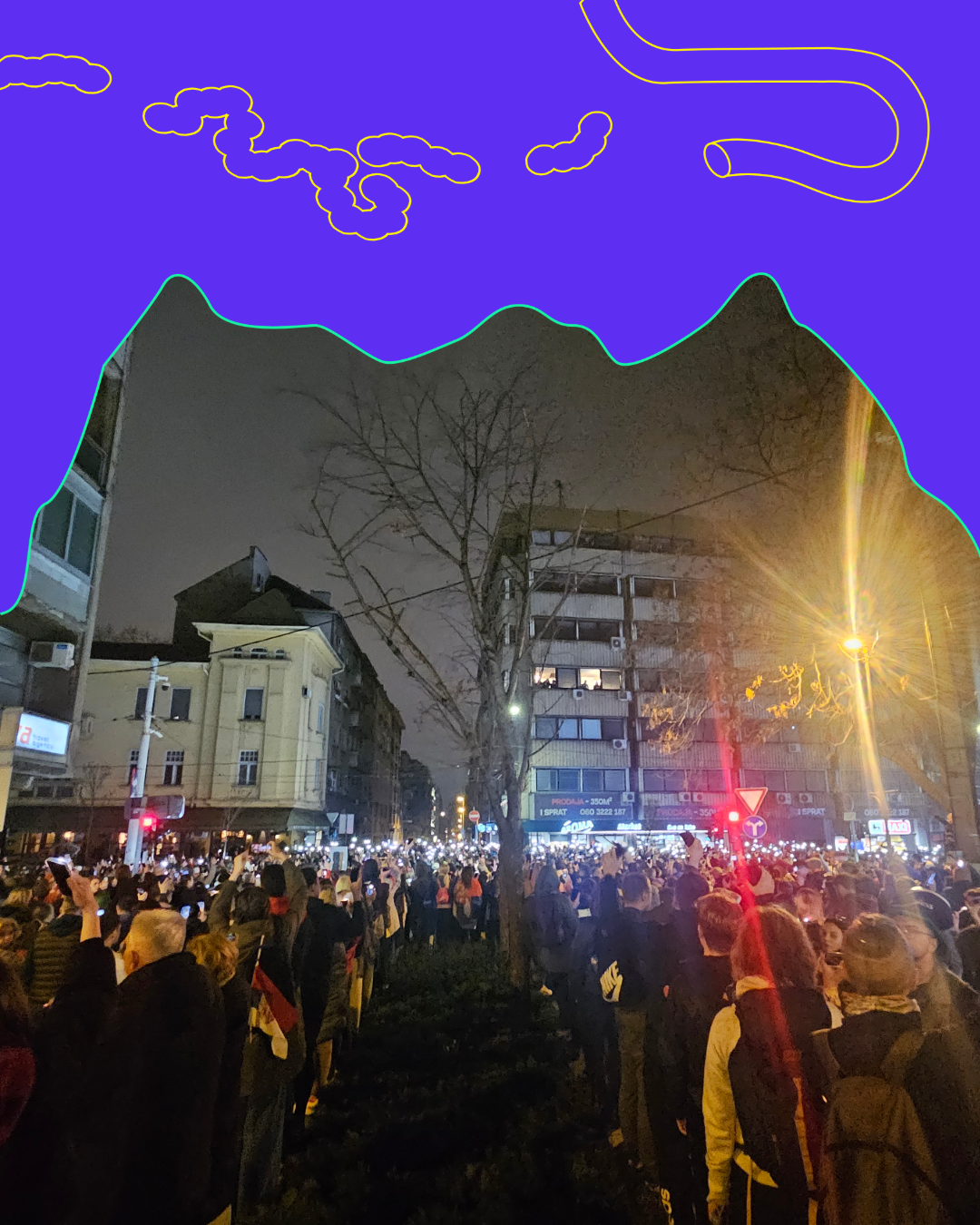
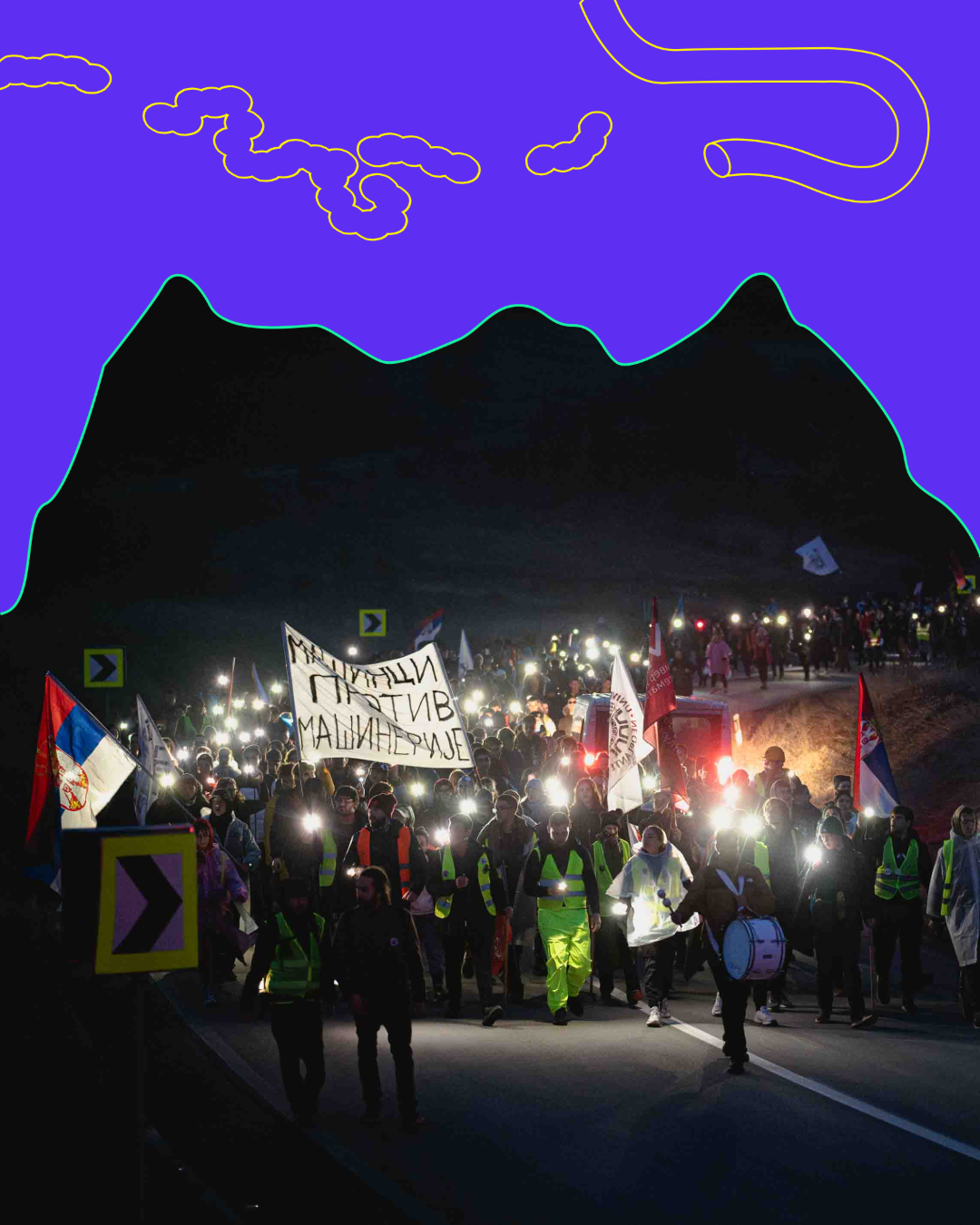
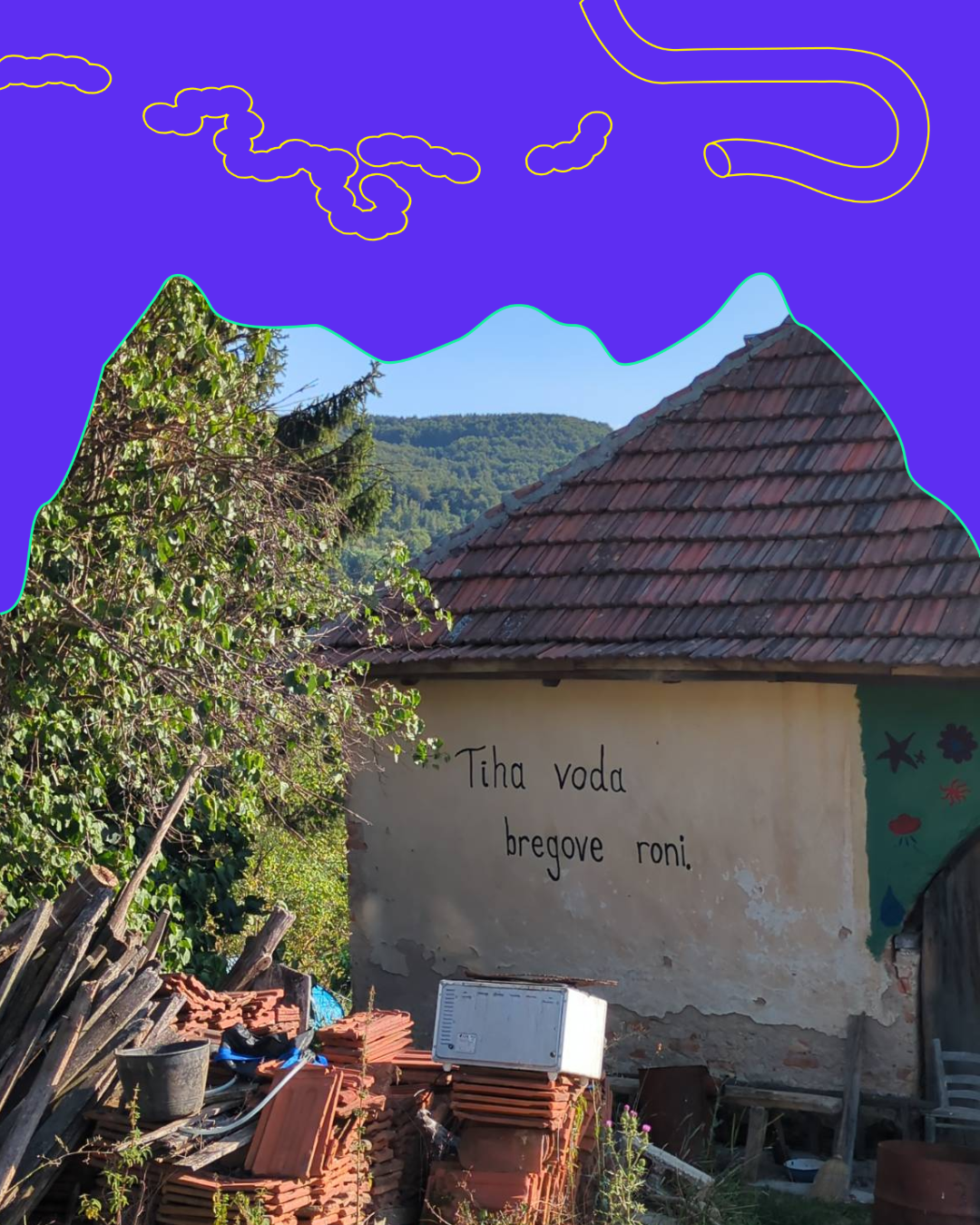
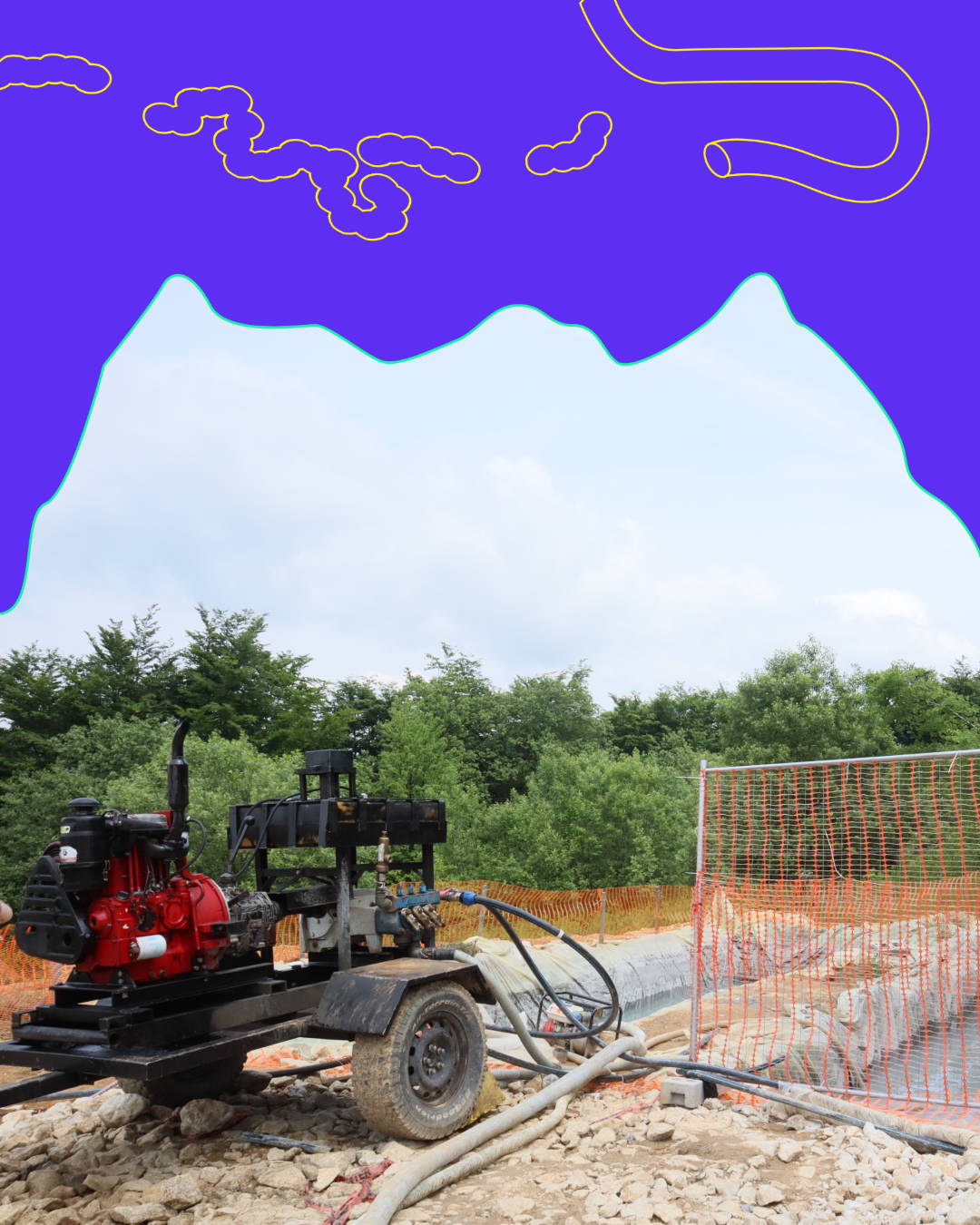
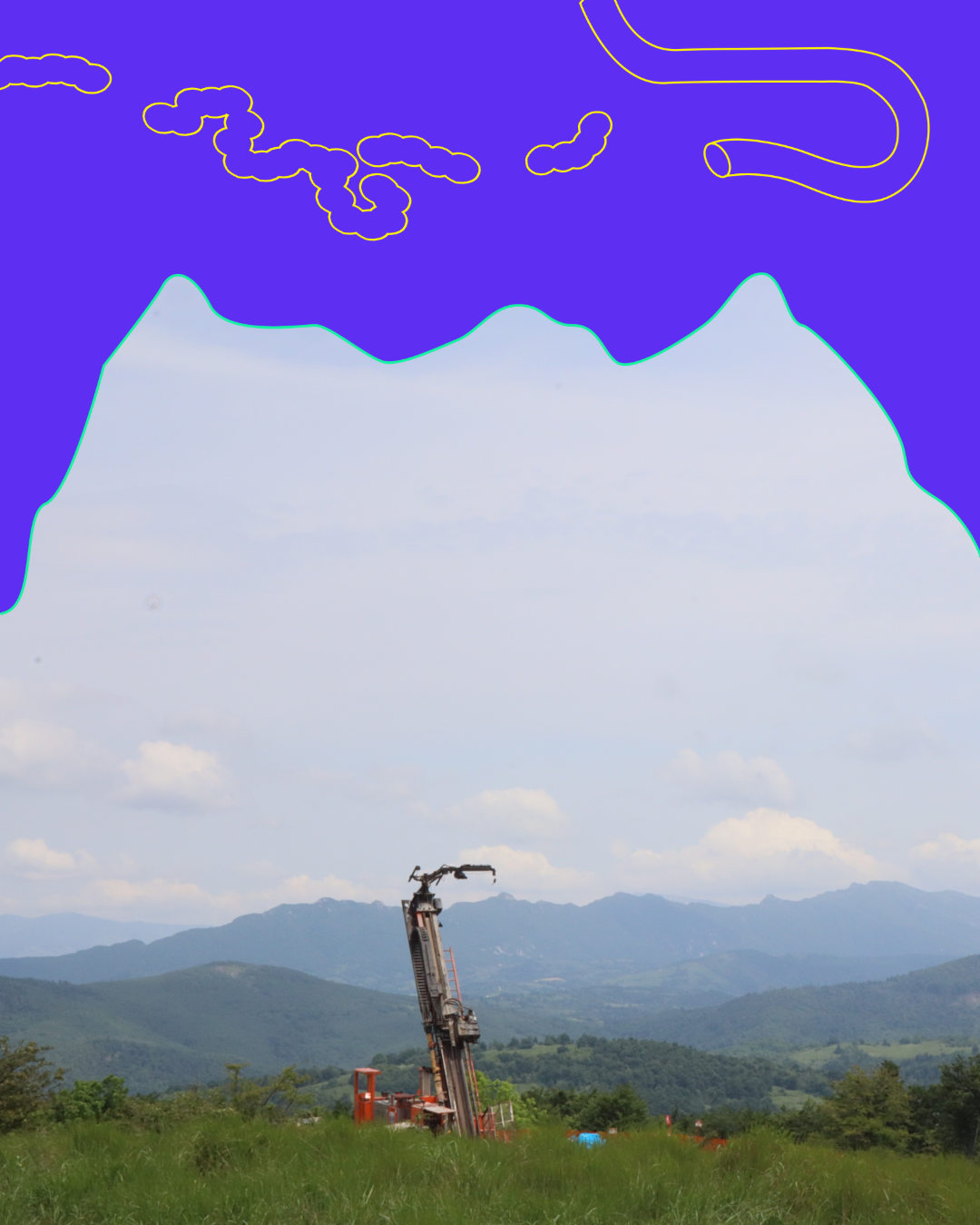
Together, we speak about land stewardship and property regimes under extractivism, and about the political importance of bodily presence in space. The conversation begins in Homolje, a biodiverse region in eastern Serbia threatened by proposed gold mining, where privatisation and extraction endanger ecosystems, livelihoods, and the spiritual practices of the Vlach community. From there, we trace connections to mass protests in Serbia, lithium mining tied to the EU’s green transition, and the temporal strategies of both resistance and repression.
Throughout the episode, protest emerges not only as opposition, but as a form of world-making: a space of solidarity, creativity, and collective survival, where standing in the way becomes both a political necessity and a shared practice of care.
Listen to the episode here.