
TIMIŞOARA
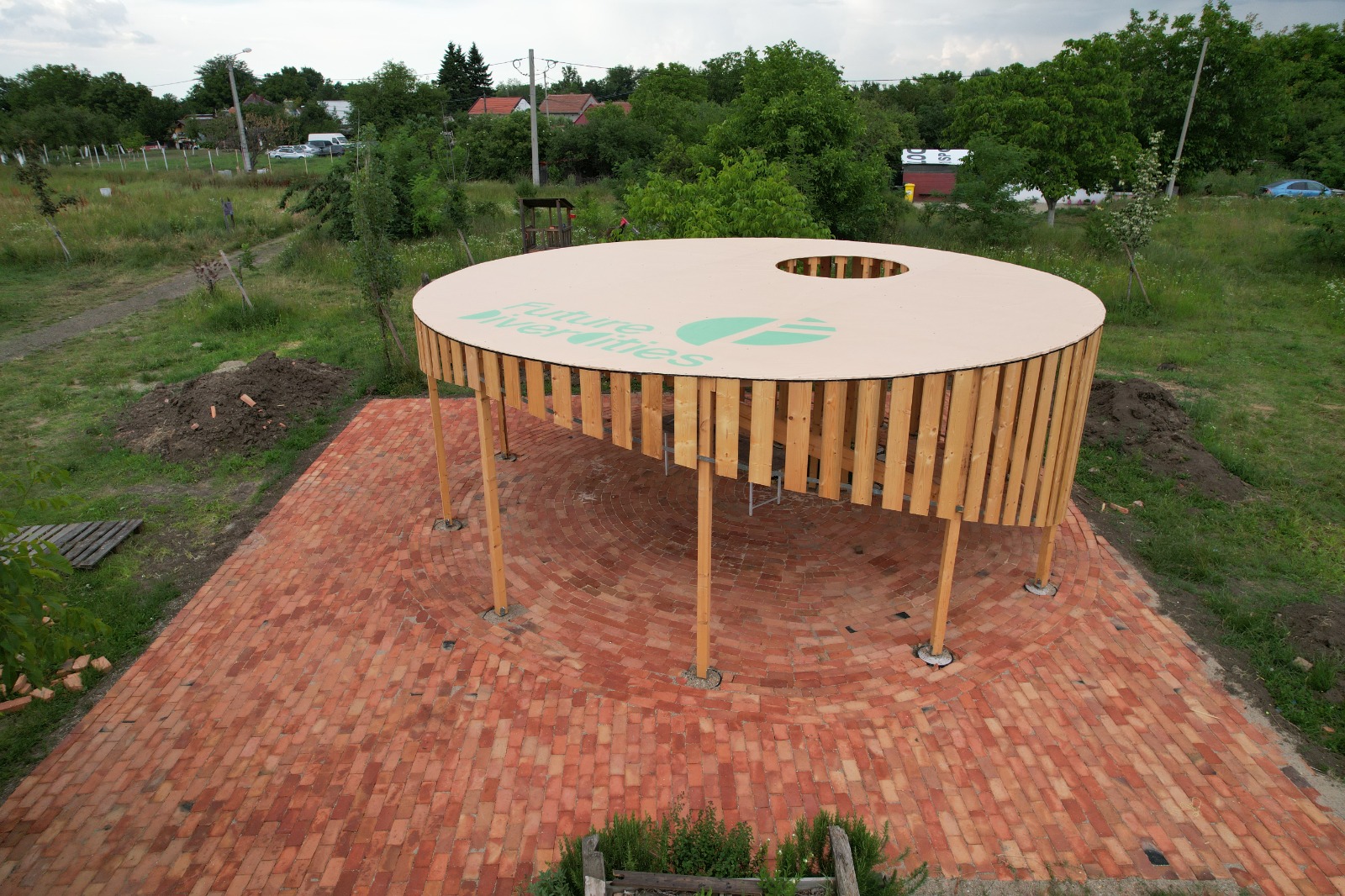
Timișoara is a green, living city, where nature plays a significant role for the citizens. At GreenFeel as home, a flexible, nature-inspired structure took shape within the PLAI pilot to redefine public space, foster community, creativity, and connection. Designed with impermanence and adaptability in mind, the structure and program around it invites people to shape the space, bridging physical boundaries while inspiring civic engagement and lasting social impact.
The PLAI Pilot reimagines urban space as a catalyst for community engagement, creativity, and social connection. Starting from a physical site, we designed a circular, nature-inspired structure that is fully reversible, built from reusable materials, and harmonized with its surroundings. The actions have embraced impermanence, allowing the space to evolve organically while encouraging individuals and communities to shape it according to their needs. Activities within the structure include workshops, gatherings, and events, fostering interaction, knowledge exchange, and collaboration. Beyond immediate users, the initiative demonstrates a replicable approach to urban regeneration through simple, non-invasive interventions that promote civic responsibility and collective creativity. By blending environmental sensitivity with social design, the project creates a “people’s space” that transcends physical boundaries, inspires new initiatives, and cultivates a sense of ownership and belonging. Ultimately, it seeks to leave a lasting legacy in both the local community and the wider urban context.
The Starting Point
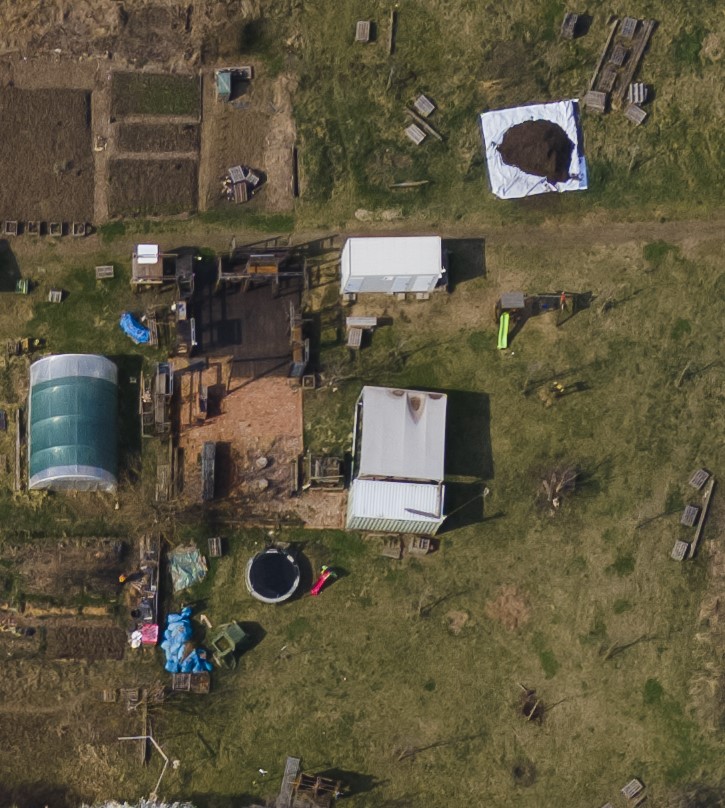
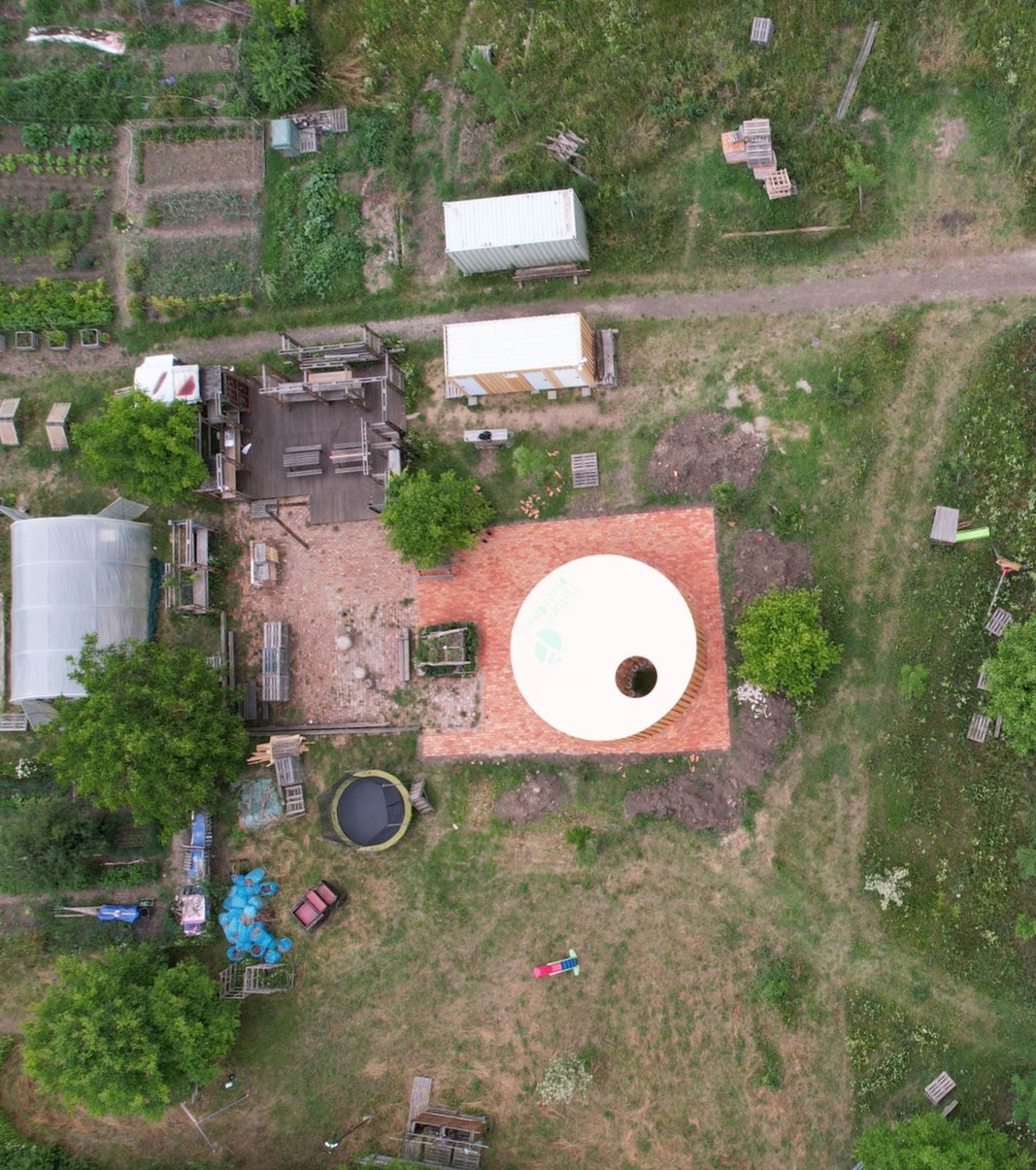
The space is conceived as an entity that transcends its physical boundaries and is defined by the community that uses it. Starting from an existing physical space, the guiding question was: how can it become a catalyst for the community, and how can it facilitate the emergence of new initiatives and communities? The objective was to define a “people’s space,” shaped not only by architecture but also by social relationships. This process is directly influenced by the site, the natural setting, and both current and future users.
“The pavilion offers protection from rain and the blazing summer sun, while respecting the principle of minimal, reversible intervention. It’s beautiful and useful” – Cristina Potra-Mureșan, founder of GreenFeel
The Approach
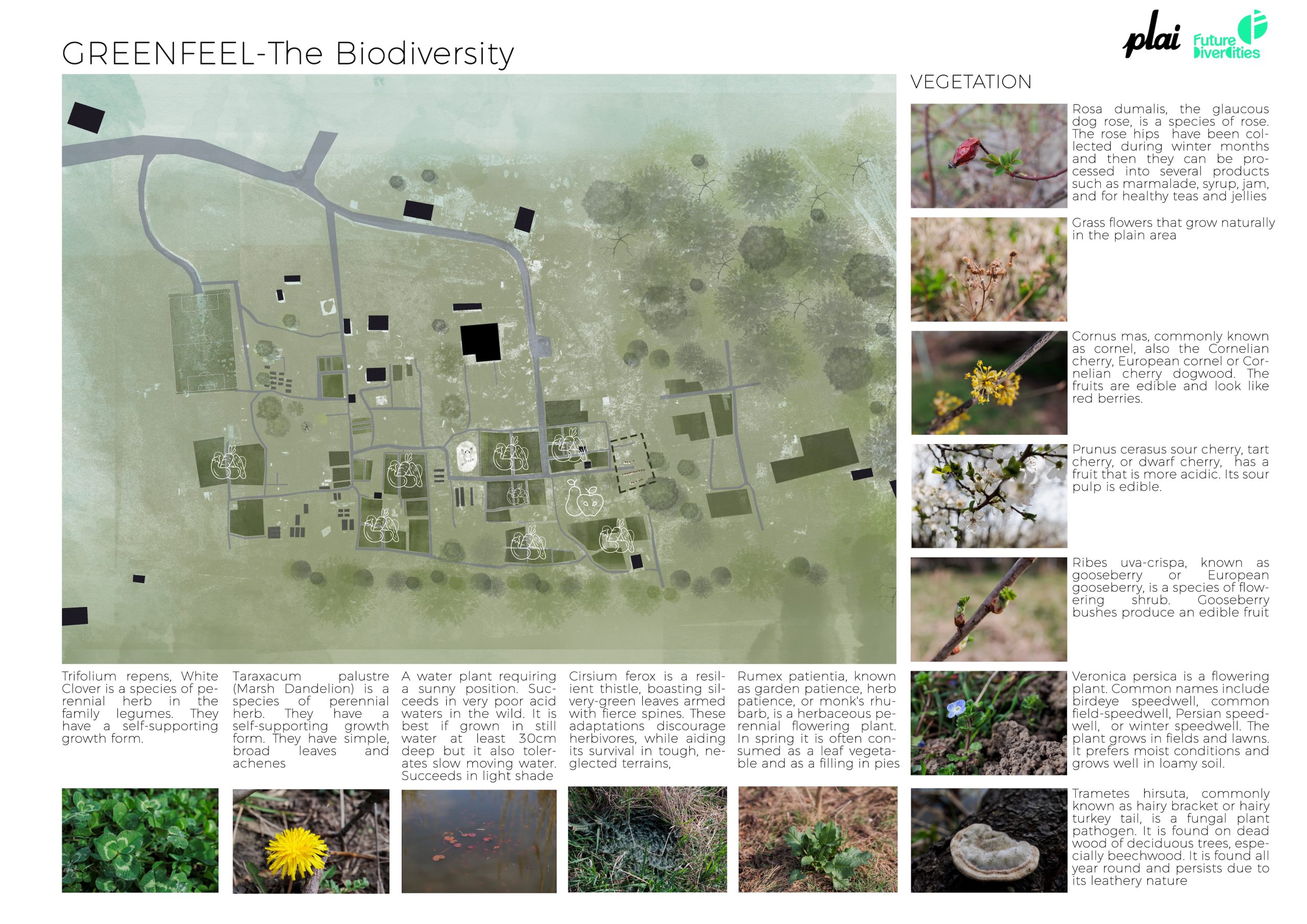
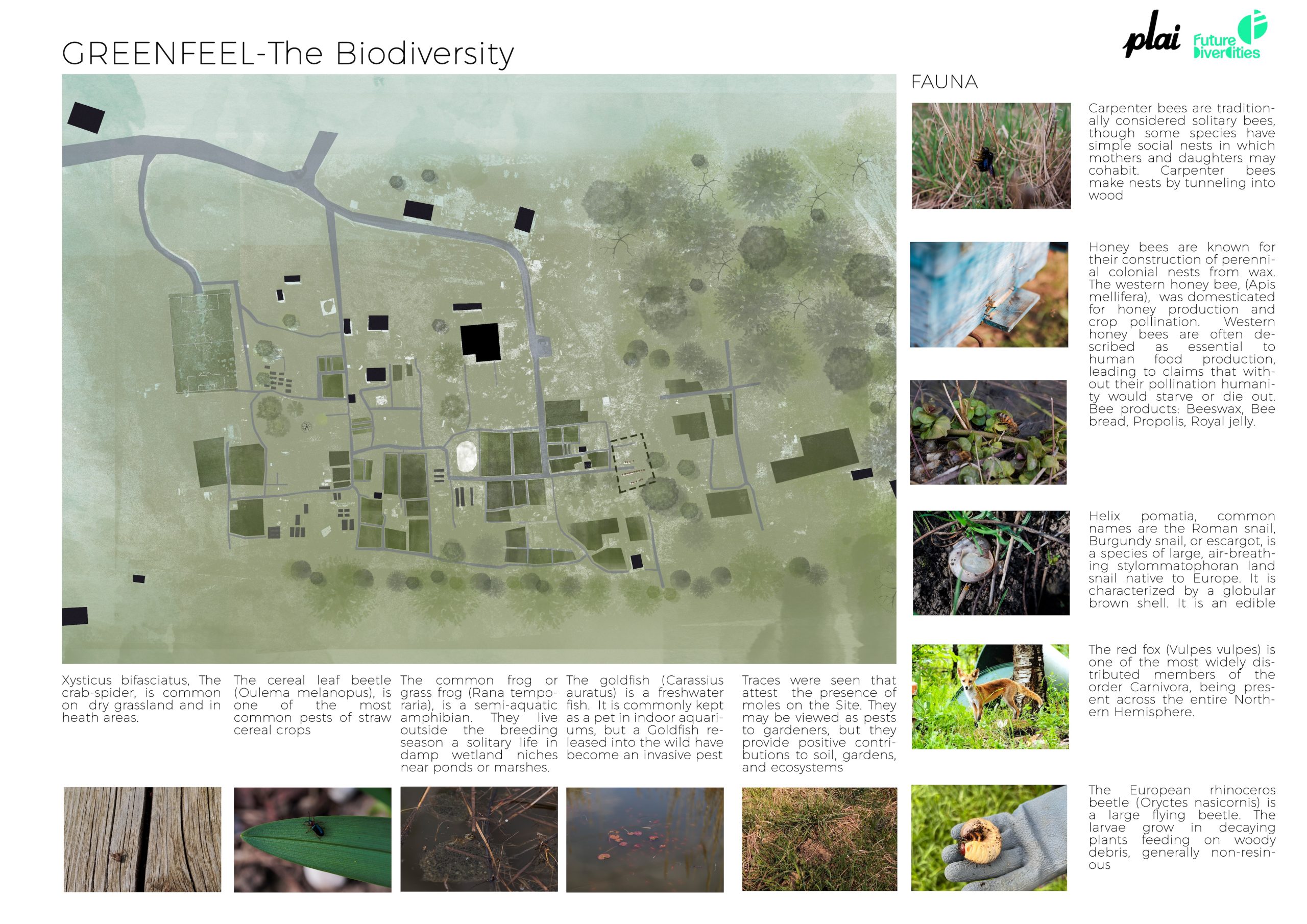
As a first step, it was necessary to identify a suitable context in which the initiative could take shape, based on essential criteria: the presence of a natural component, public accessibility of the space, and compliance with existing legal regulations. Once the general framework was established, the next step was selecting the optimal site. GreenFeel, with its large area, diverse communities, and specific needs, presented a set of additional constraints that required us to develop appropriate responses.
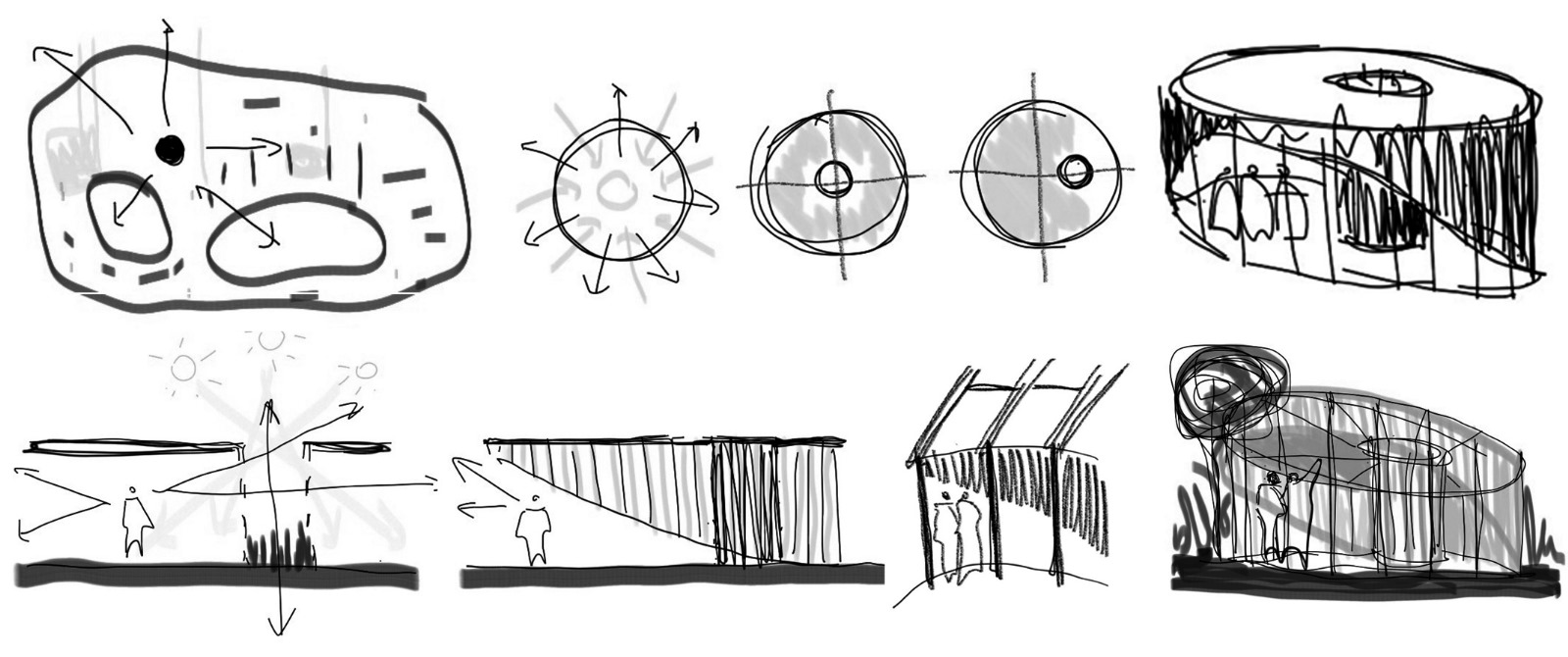
Key Moments & Decisions
We interpreted the concept of impermanence through the way an object ages and gradually dissolves, through the complete reversibility of interventions, and through the way nature resumes its course after human action. In this way, the project’s theme began to take shape in response to the needs identified at GreenFeel, following the rhythm of nature, exploring impermanence on multiple levels, and creating a space for people designed to inspire and foster connections within communities and beyond.
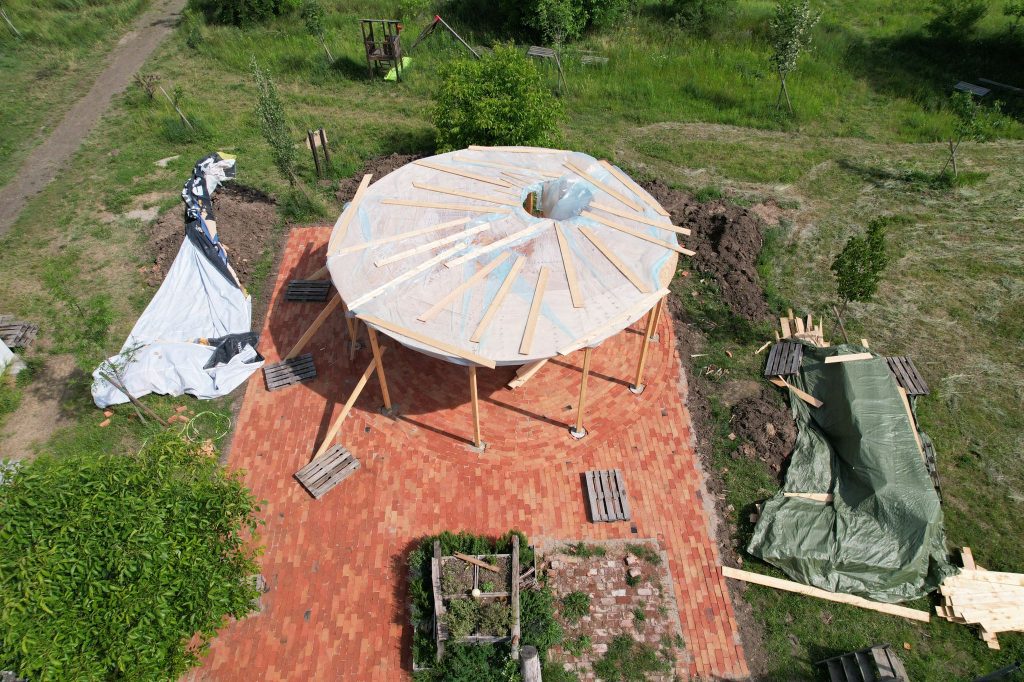
Challenges
The first challenge was identifying the site, as several locations were considered suitable for regeneration through this project. This process proved difficult due to bureaucratic and administrative limitations related to access and intervention. Ultimately, the project was implemented at GreenFeel, a privately owned space that also functions as a public one, being the only green area with the potential to serve as a neighborhood park in an urban context perceived as marginalized.
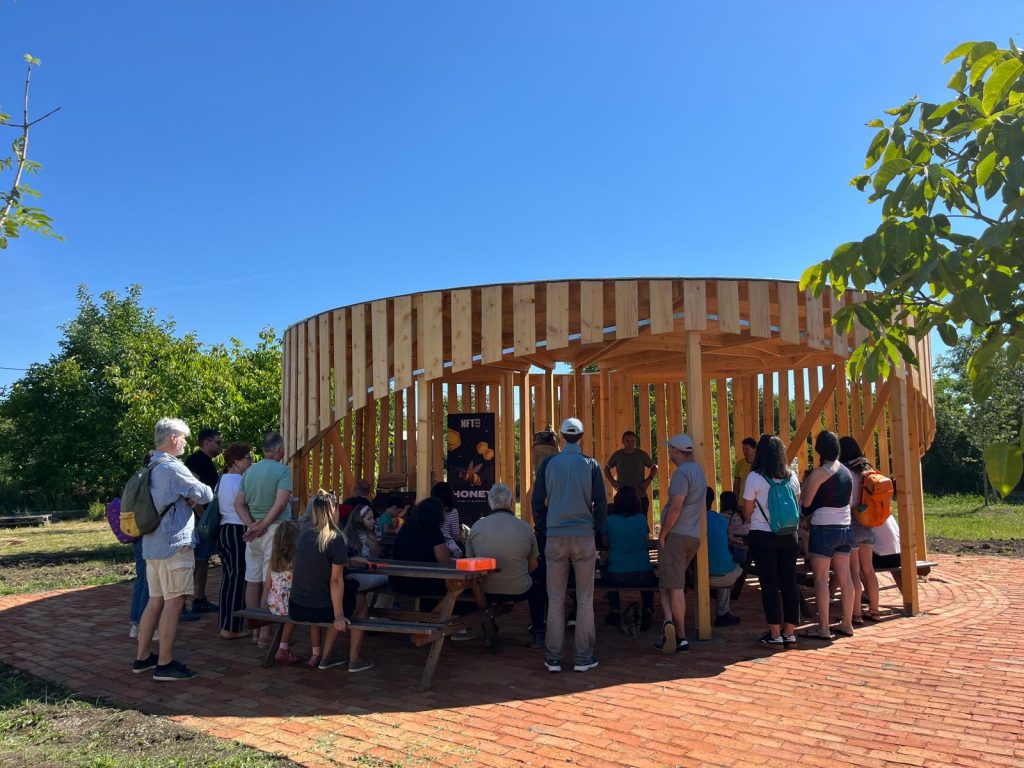
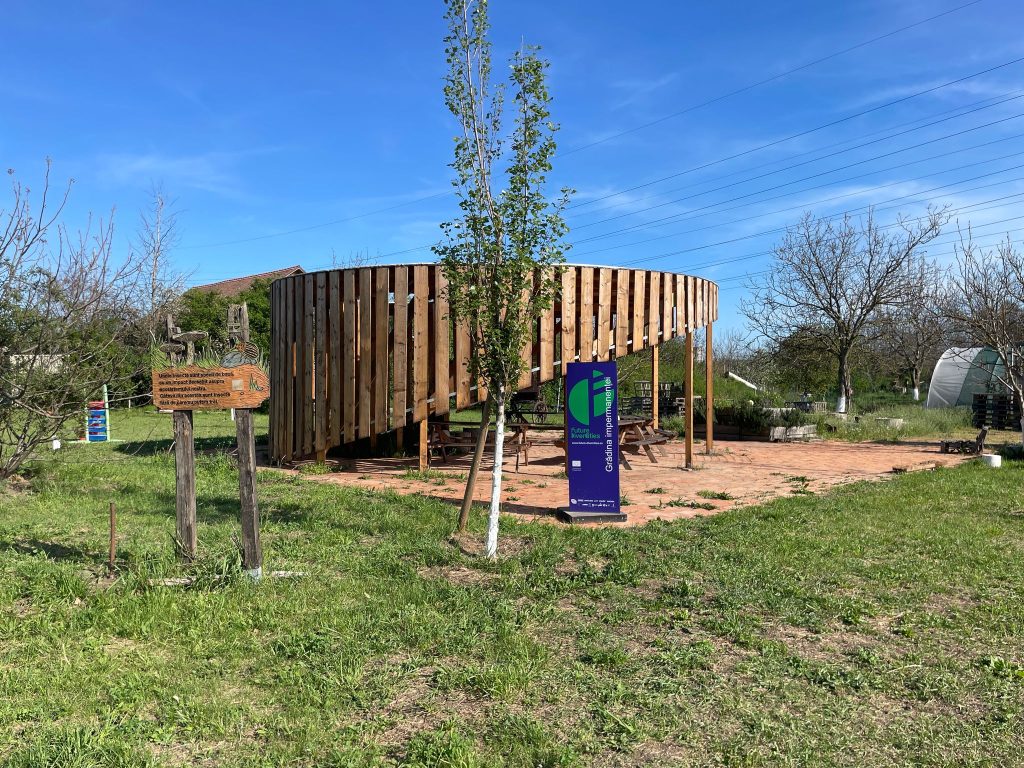
The second challenge was developing a solution that responded to all established principles and identified needs. With the support of our collaborators, we implemented a multifunctional structure that serves as a shelter and meeting point and, through its flexibility, facilitates various activities, workshops, and events. The structure was conceived as a fully reversible intervention, built from reusable materials and aesthetically integrated into the natural landscape, while respecting the site and its surroundings.
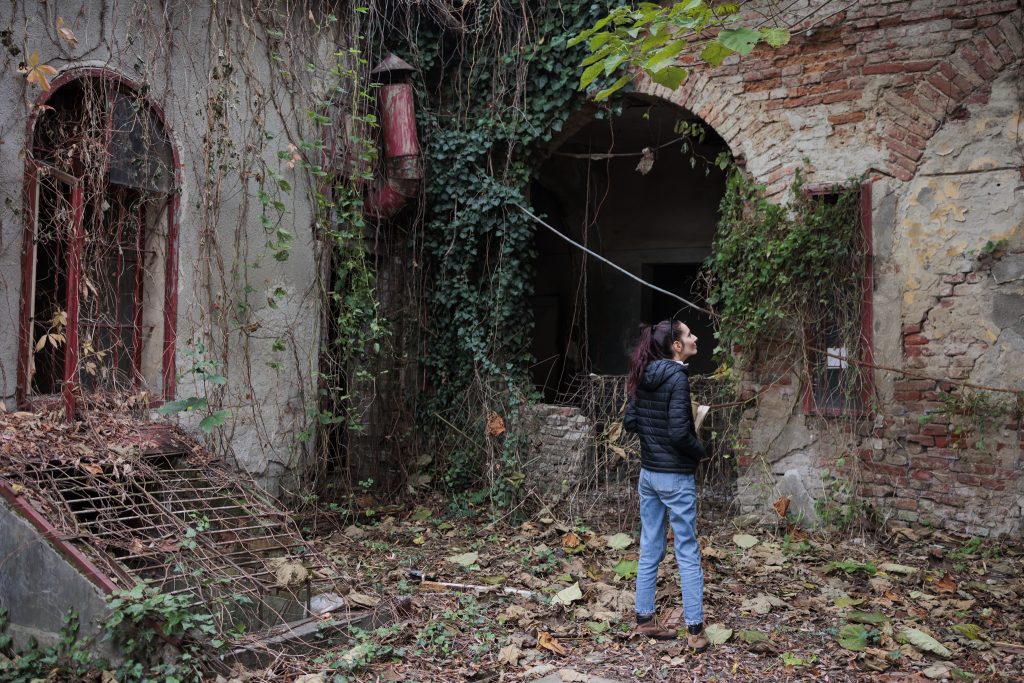
“The structure is a real support for us. It provides shelter from the rain and protects us from the sun, and at the same time it has become the central meeting point—a place for stories and shared activities—for the Greenfeel community of bee lovers.” – Lucian Avramescu, the lead inspiration for the Pavillion & the beekeeping community leader
Qualitative Impact
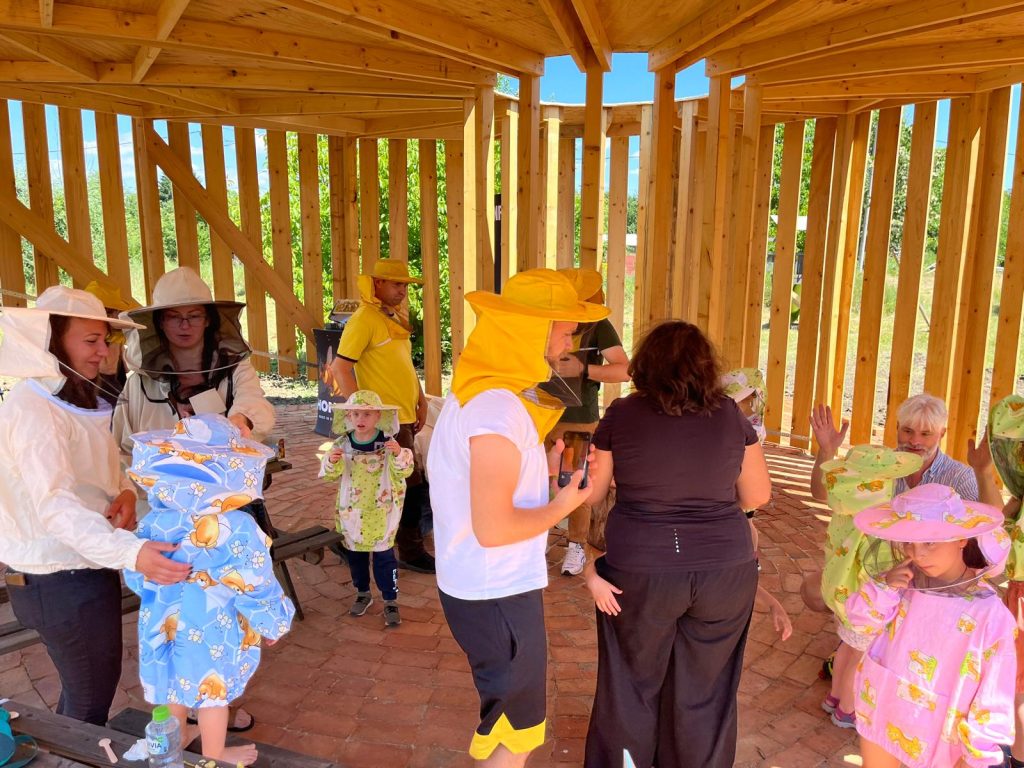
The implementation of an urban regeneration approach based on simple, non-invasive interventions using reusable materials. At a broader, city-wide scale, this method can bring people closer to public space through an object that encourages civic engagement, responsibility, and, ultimately, community initiative.
From an architectural perspective, the project represents an example of good practice and was published by architect Diana Giurea in connection with this initiative.
Key Lessons & Insights
Some processes need to be allowed to develop organically. We learned this by observing that people need time to discover a space on their own, and the desire to use it must come from within the community. Although we attempted to program and attract multiple activities within the structure, its novelty and peripheral location made activation more difficult. This was further intensified by limited accessibility: cycling depends on favorable weather, public transport runs infrequently and does not reach the site directly, making users reliant on cars. Once existing communities began using the space actively, people gradually became familiar with it and started to engage with it more frequently.
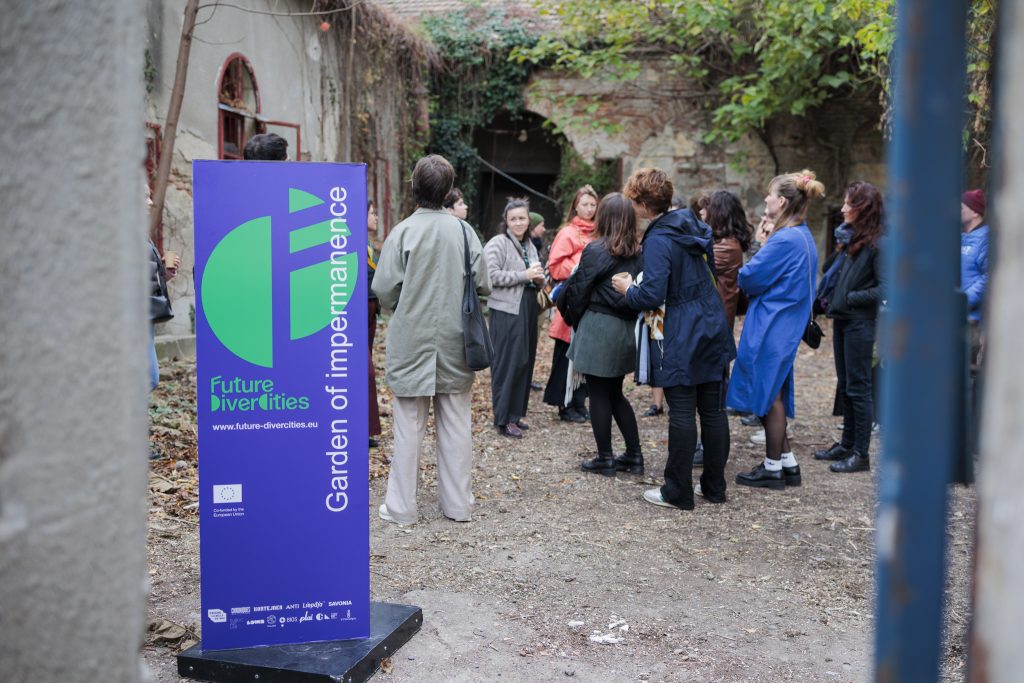
Cluster: Impermanence
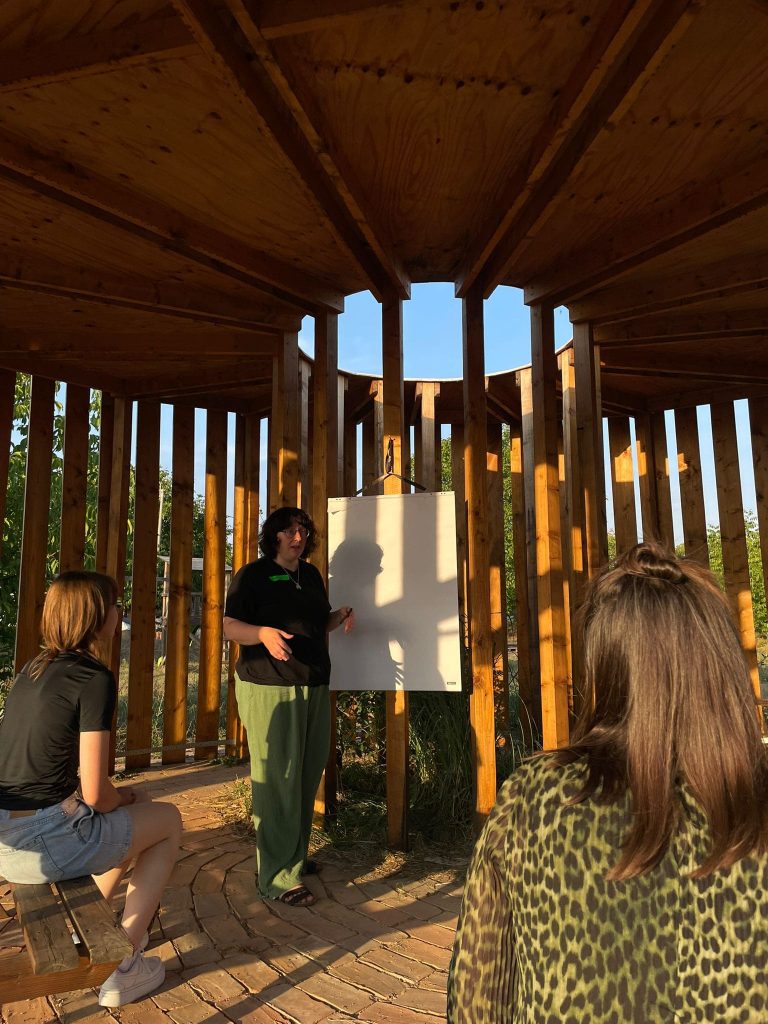
The approach to the concept of impermanence was explored through multiple directions, all sharing time as a common element. The initial proposal aimed to create a structure capable of supporting both a physical space and a space dedicated to people — a place for gathering, ideas, and collective creativity. This intention was interpreted through flexibility: the way each individual or community can shape the space according to their own needs, a process requiring a high degree of openness and adaptability.
On the other hand, time defines impermanence, whether through the existence of an object that transforms, ages, and gradually dissolves in a fixed location, or through the limited duration of its presence in a context, while retaining the ability to be moved and reinterpreted in other places.
In designing the structure, all these aspects were taken into account — formal, structural, and functional — integrated within the context through a non-invasive intervention throughout the implementation process, as well as aesthetically harmonized with the surroundings. The result is a circular, nature-inspired structure, fully reversible and made from reusable materials, which has allowed nature, after nearly two years, to reassert its presence both around and within the space, influencing the way the environment has developed in relation to the structure.
Legacy
We do not know if the structure will still be standing in 10 years; this largely depends on the extent to which the community takes responsibility for its maintenance. However, even if it no longer exists, the project has set a precedent for how we intervene in a natural environment, and its absence could inspire the emergence of new, even more valuable initiatives for the site.
Through this project, we aimed to provide an example of best practice and to encourage others to do the same — from the process of identifying needs, to how these needs coalesced into a structure, and to the way people define a space through its use.
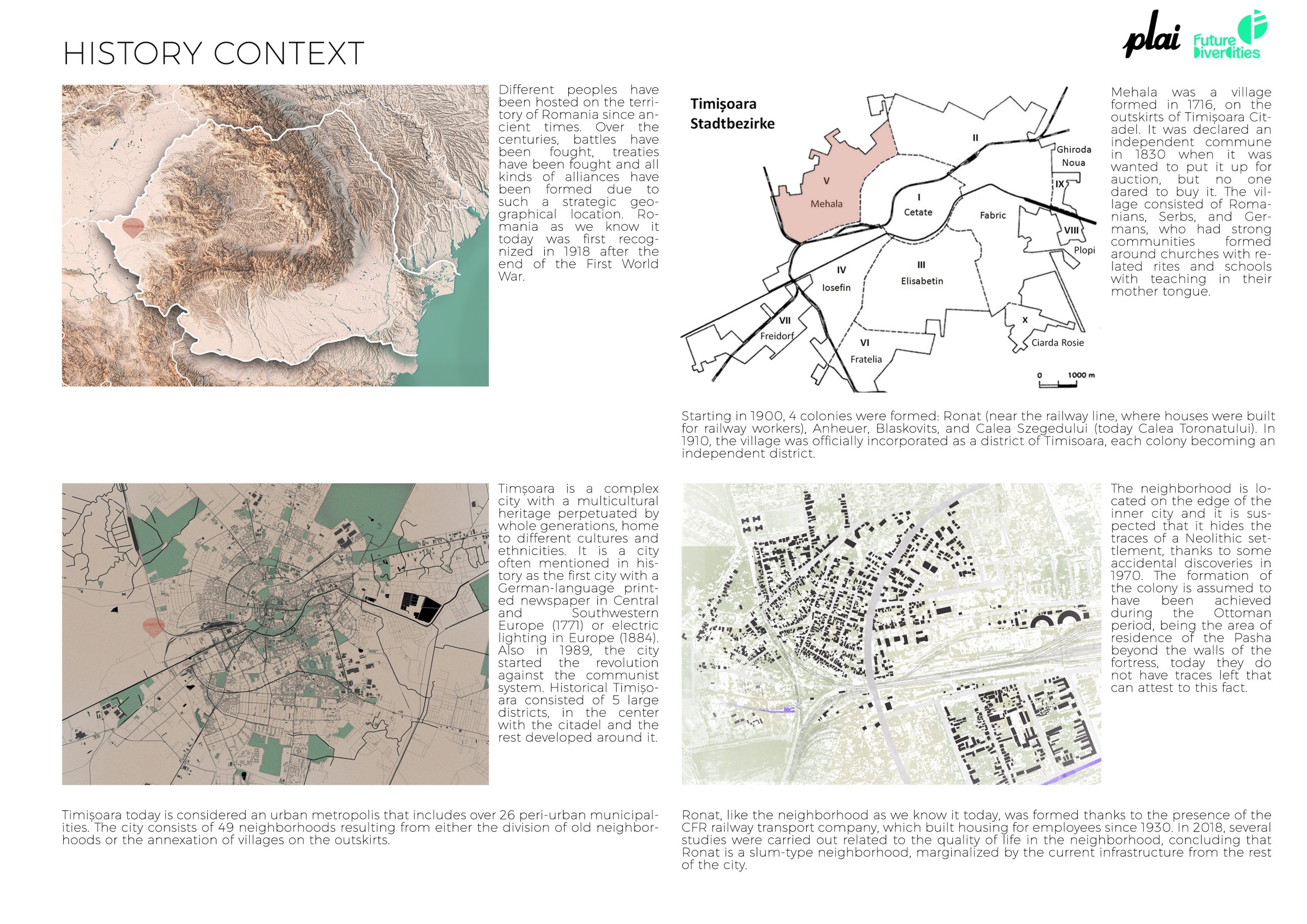
“Future DiverCities has given the opportunity to explore, learn, follow through and measure the impact of a collaboration that means a lot to us – PLAI and Greenfeel – which is a strong exercise of independent stewardship of local initiatives that solve community needs. This type of collaboration, beyond the principles and values that inspired the FD Pavilion, are a strong testament of communities that can empower each other and together shape things for the better” – Andreea Iager-Tako, PLAI
Discover the pilot
Explore the intervention
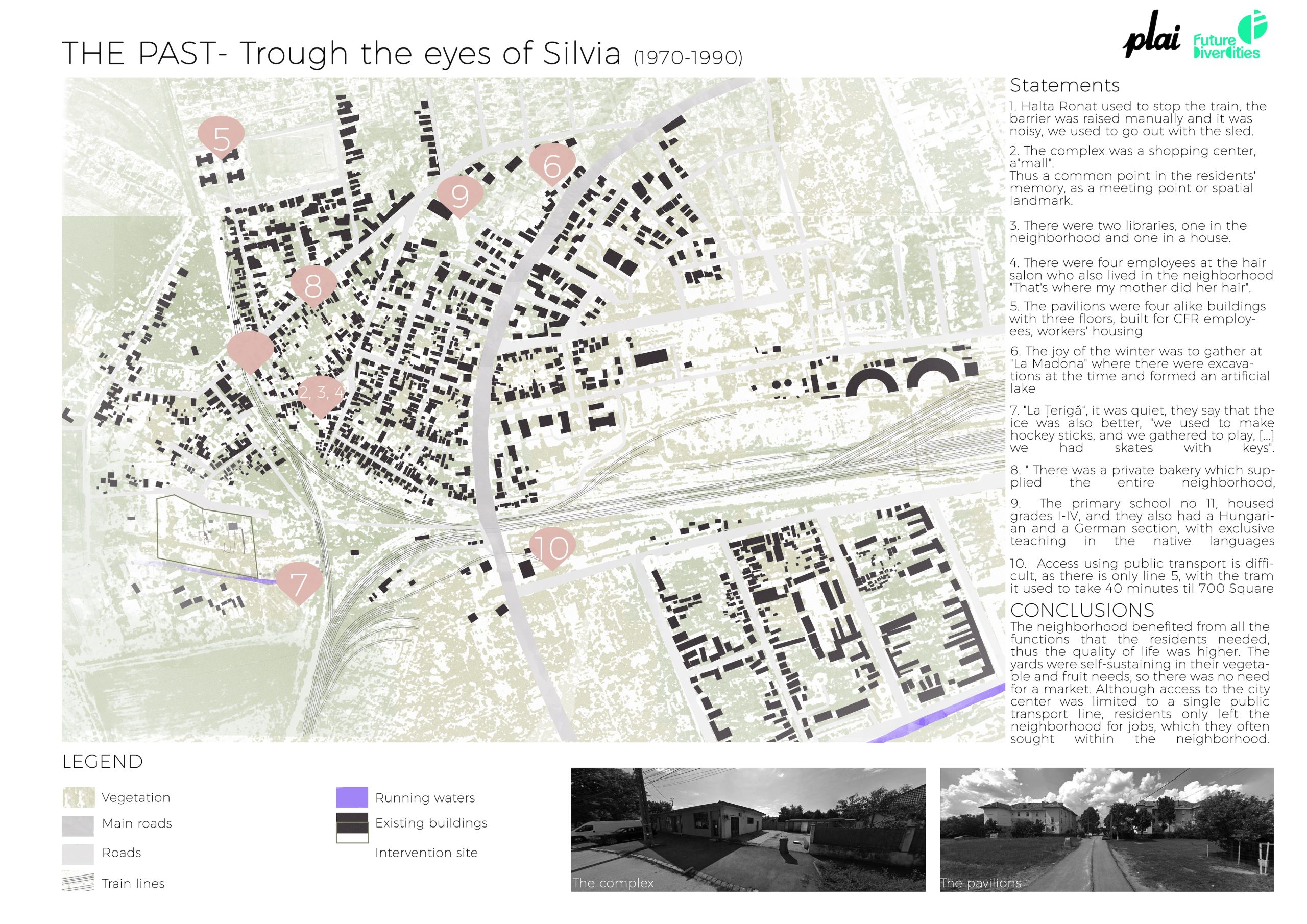
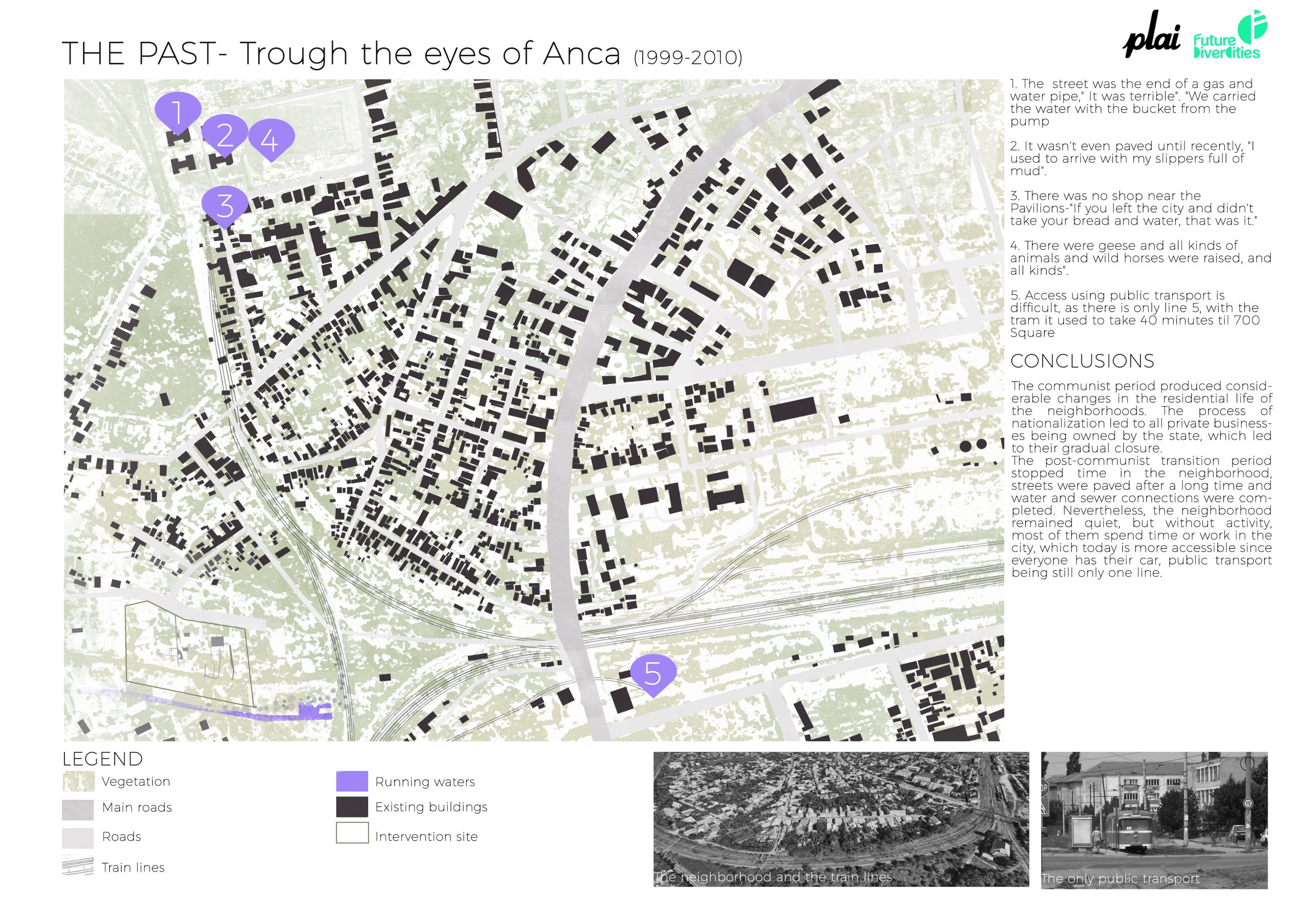
Learn about the past
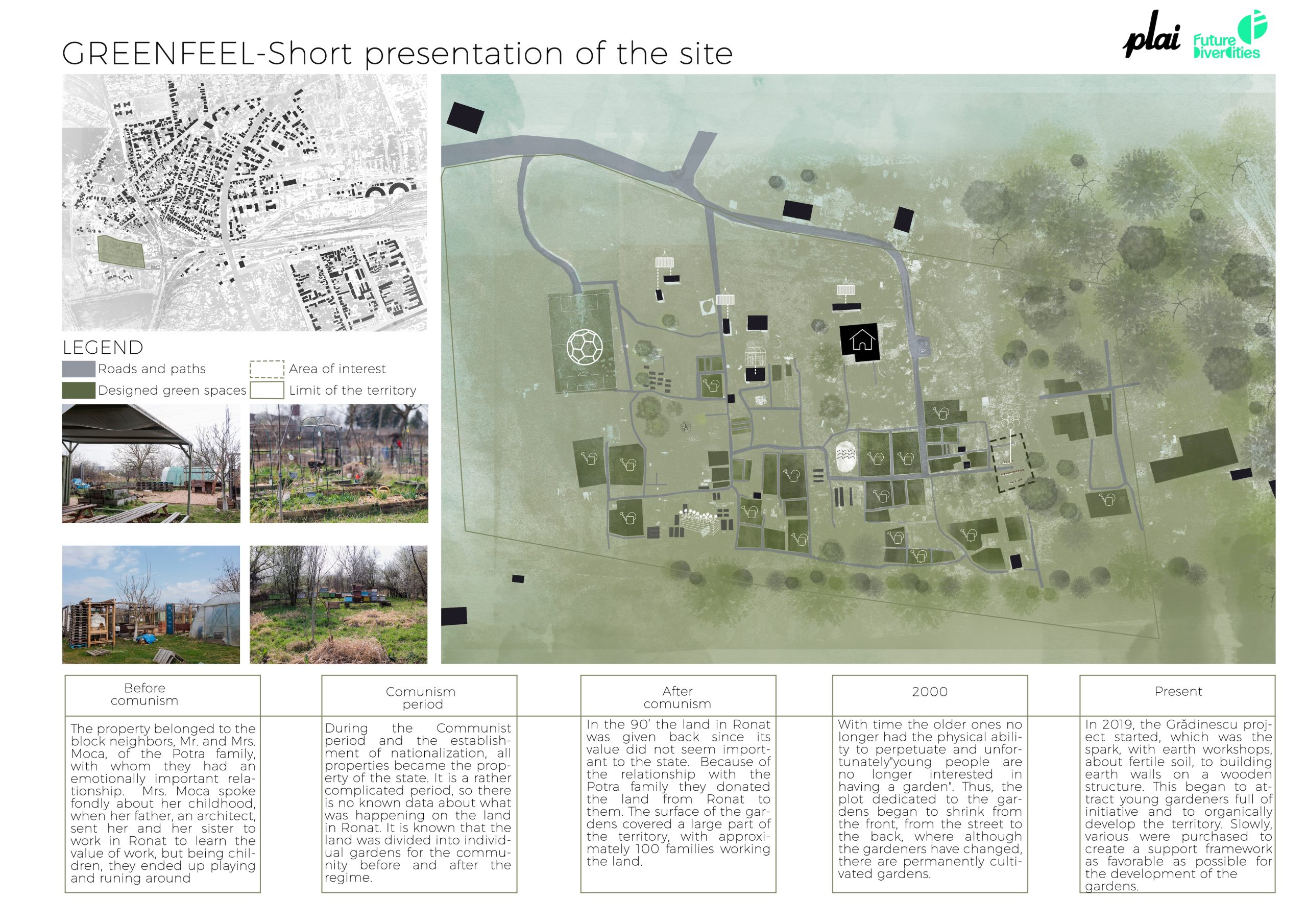
Discover the location details
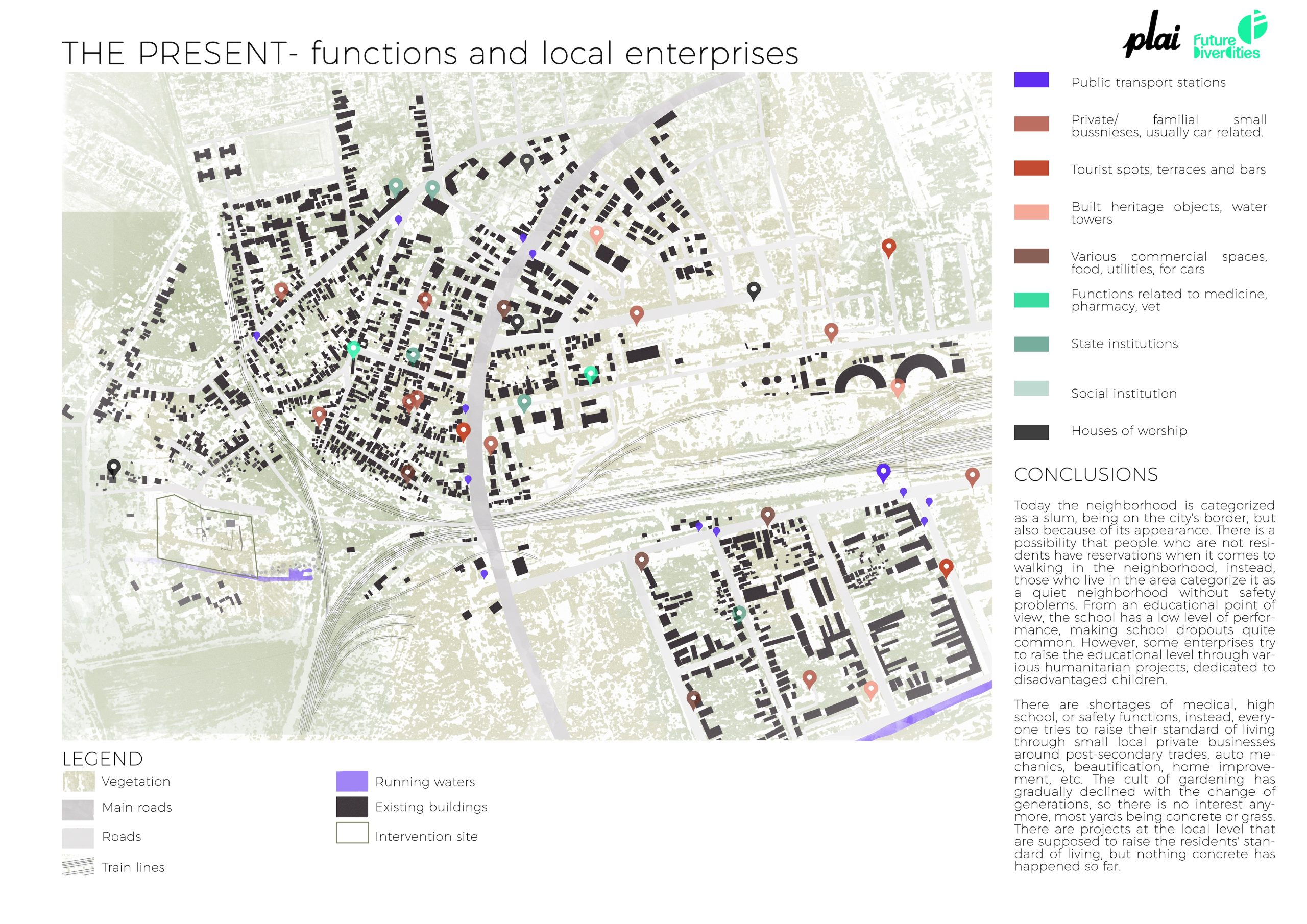
Learn about the communities