
ZAGREB
Zagreb has been heavily affected by the 2020 earthquakes (alongside the pandemic). Damage to museums, galleries and similar infrastructure caused a transformation of the city centre and a lack of spaces for cultural and artistic programmes.
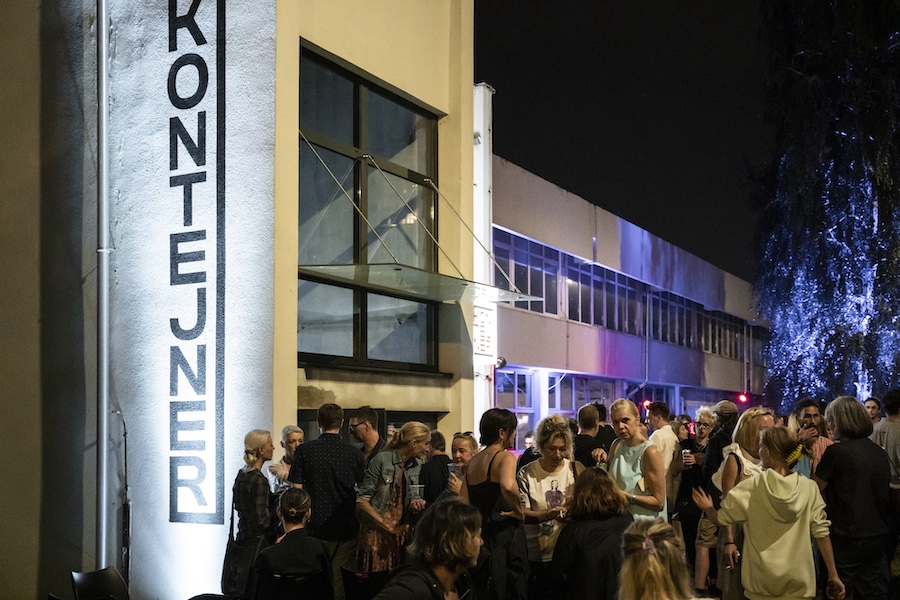
By inaugurating a vibrant place of shared artistic experience, KONTEJNER has created a platform for artists and creatives where they can showcase their work, develop new projects, host workshops and residencies, and engage in educational activities. Within Future DiverCities, KONTEJNER has been focused on showcasing, producing and interpreting an array of investigative, interdisciplinary and intermedia cultural programmes with a special emphasis on the topic of bio-art, bio-media and artistic practices dealing with living organisms.
The Starting Point
KONTEJNER has been working on opening and managing an experimental venue for contemporary arts and culture for almost 10 years. This was a strategic goal for the organisation embedded into the Future DiverCities project from the very beginning, and it was furthermore reinforced by the local situation in Zagreb where spaces for contemporary culture are scarce.
The Zagreb biodiversity pilot therefore focused on one industrial complex in the southern part of the city, next to an important avenue connecting the eastern and western part of the city. This complex is well known under the name of Vjesnik since it was the site of a successful former Yugoslavian (and later Croatian) daily newspaper company Vjesnik (1940-2012). This newspaper and publishing company, that also included a large print house area, was situated in this industrial complex in Zagreb, counting more than 30.000 m2 of space. During its peak years in the 1980s, the printhouse of this media giant produced over 267 million copies of different publications, with tens of millions distributed internationally, and over 1600 selling spots in the region. In the 1980s, around 6000 people worked in Vjesnik. In 2019, this number was around 200.
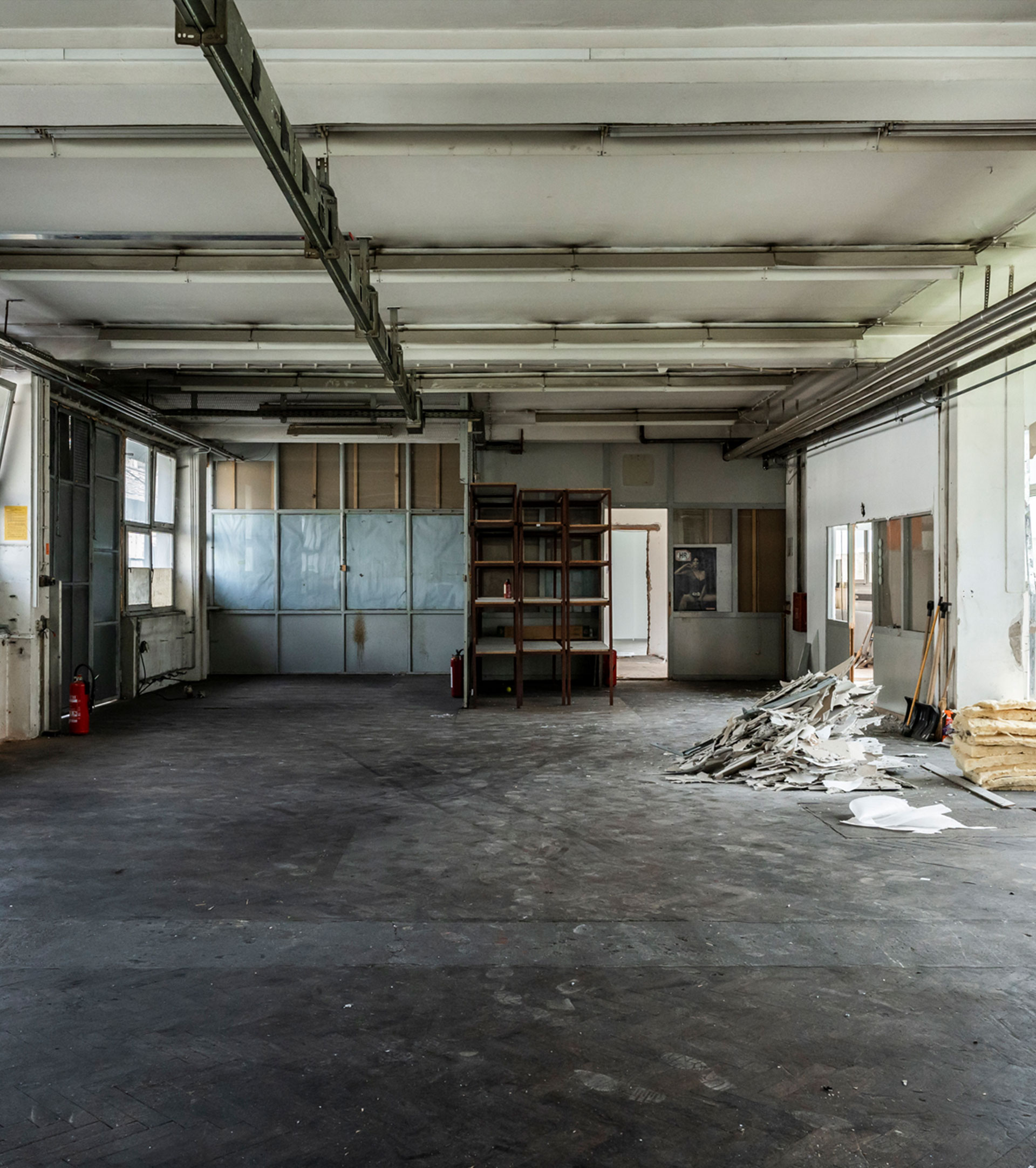
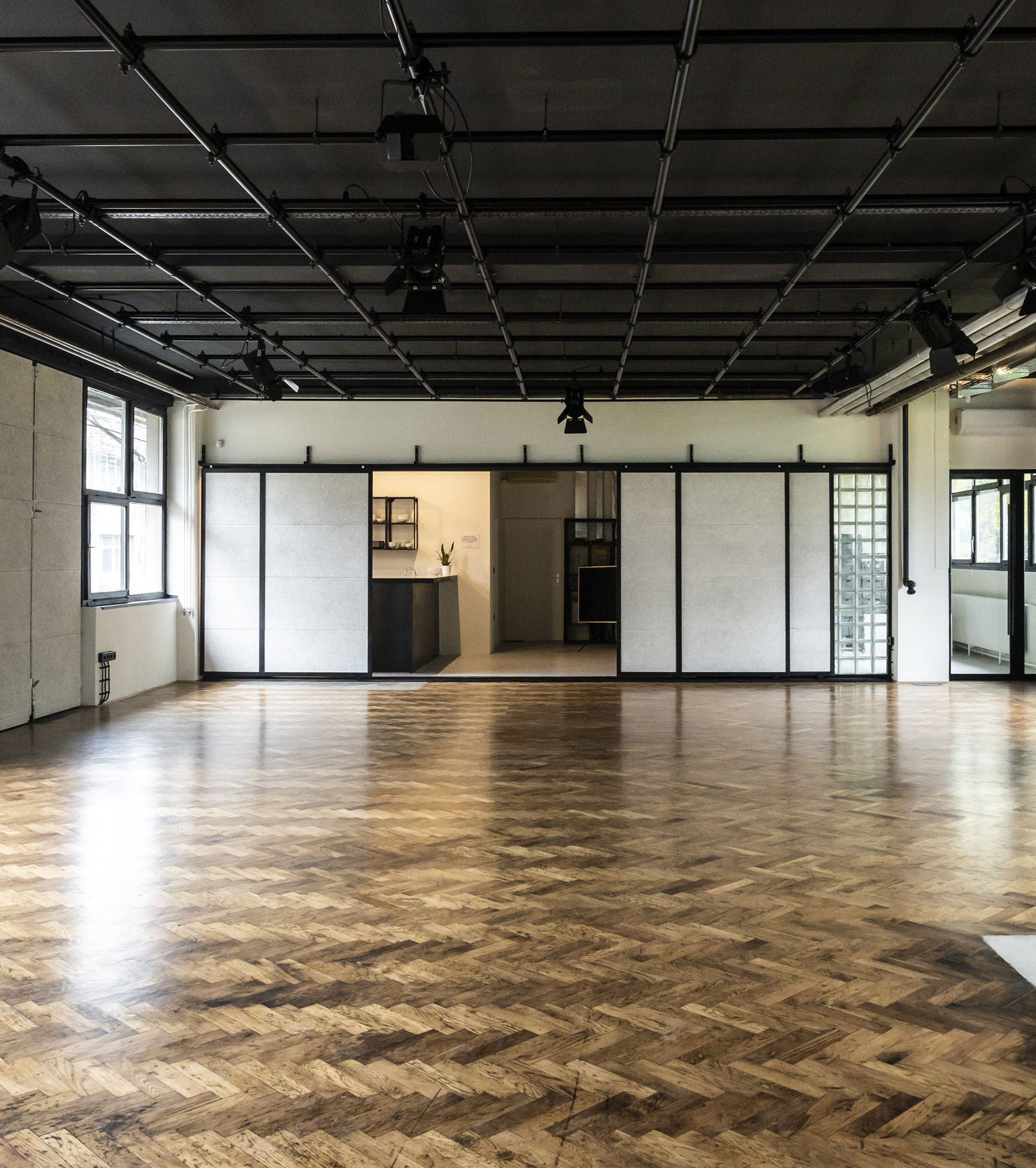
In the southern base building, we have rented out a total of 257 m2 with the goal to revitalise and transform the area into a temporary testing ground where we have piloted several new activities and formats, addressing at the same time the challenge of bottom up, low-cost reuse of large empty urban areas – from establishing a new cultural venue for the city and the European creative community, to showcasing the best of contemporary bio-artistic practices and engaging new partners and stakeholders into the project.
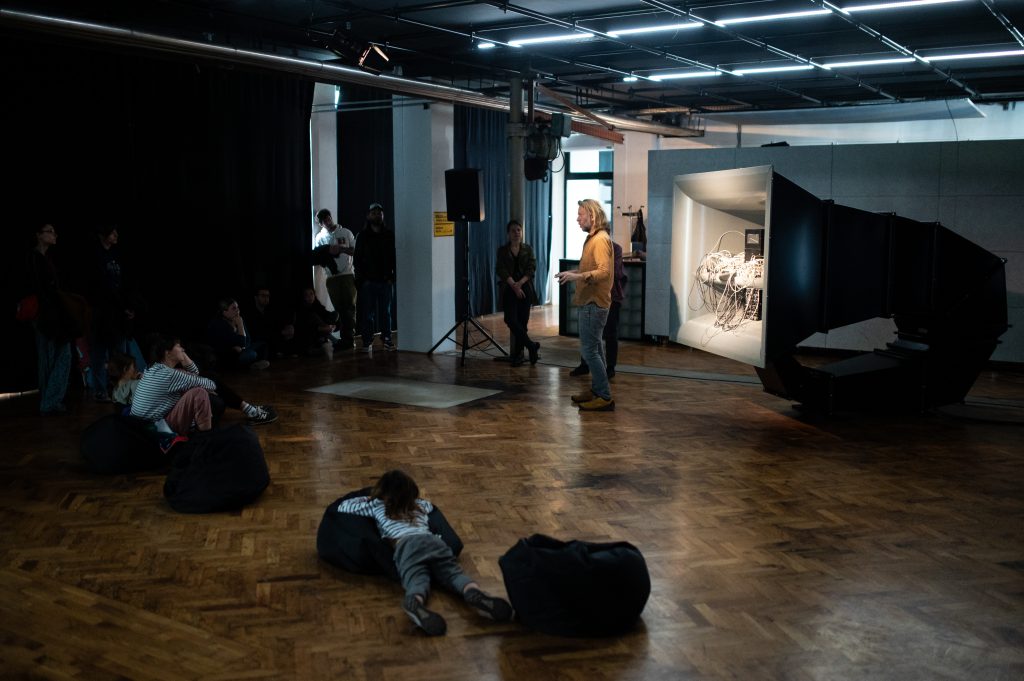
Artist talk by Nathan Thompson about bio-sonic installation “cellF” at KONTEJNER, 2025, ©Zoe Šarlija
The Approach
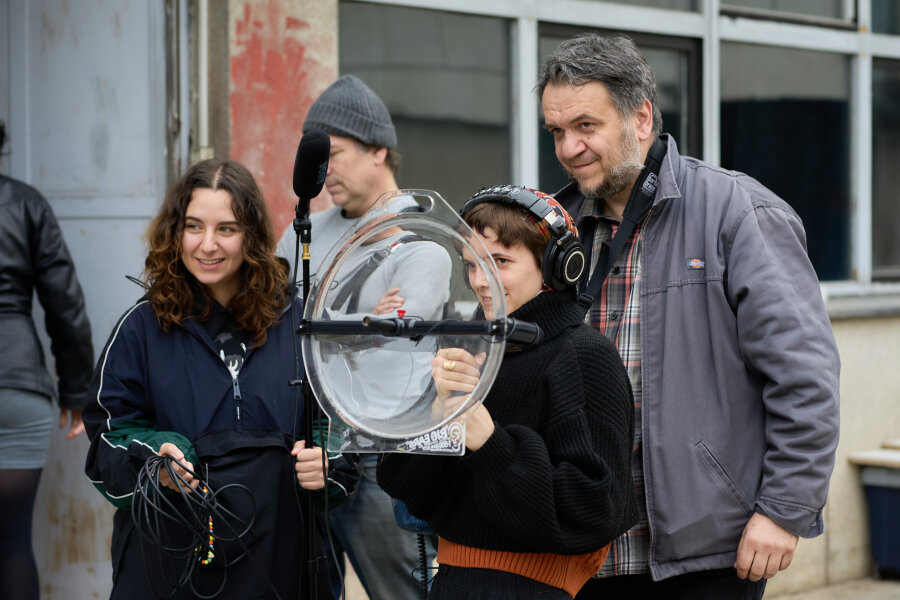
“This space and program brought a lot of joy to the life of contemporary art in Croatia, but I also hope that such subjects, actors and other stakeholders can happen and develop.”
During the revitalization and renovation process of the rented pilot site, KONTEJNER has invited local artists, designers, technicians, and other professionals active in the local art scene to contribute their expertise in rebuilding this new space.
A very important element of the revitalization was to build a creative community around the new location. Since the very beginning of the organisation, KONTEJNER has placed a strong emphasis on stimulating cooperation among local artists and creatives of various profiles (artistic, scientific, tech, IT etc.), in order to create an extensive network of partners and collaborators. Likewise, with the inauguration of the new venue, the artists and creatives now have access to a platform where they can work and showcase their projects, meet peers and engage in different activities. In order to strengthen the connections with our local collaborators that we have been building, we have involved them in our programme, including the sensory mapping workshops that aimed to both explore the spatial context that we now inhabit, and to foster the attachments of our collaborators to the new space.
Key Moments & Decisions
Since the pilot site was a new venue in Zagreb, very early on in the project we have decided not to approach the biodiversity aspect of the project too literal and to investigate the site as a biodiverse system, but rather to focus on bringing high-quality national and international artists dealing with the current biodiversity, inter-species and bio-media topics to the venue and to create programmes that integrate the theme critically into the site and its surroundings. Every presented project included a workshop, artist talk or presentation in order to open up the addressed topics and make them understandable to a wider audience, especially the neighbourhood and its diverse community where the pilot site is located.
Another important thing for our organisation was from the very beginning not to focus solely on the pilot site that has been revitalised and activated but to understand it as a basis for a potential transitory usage of space in the wider area of the Vjesnik complex. Our goal was to establish a starting point in the new space we have rented and renovated, and then try to activate other zones around it with specific temporary artistic and cultural activities. The sensitive mapping workshops have significantly improved KONTEJNER’s experience and understanding of the spatial context that surrounds the pilot site. By exploring the Vjesnik complex through mapping exercises, KONTEJNER has gained valuable insight into the specific characteristics of this space. A better understanding of the context in which we operate allows us to tailor and prepare even more thoughtfully designed activities that are better aligned with the unique qualities of the environment. Having gained this knowledge and perspective, the organization created programs that resonate even more deeply with our community, while simultaneously building a stronger rapport to the space and its changing landscape.
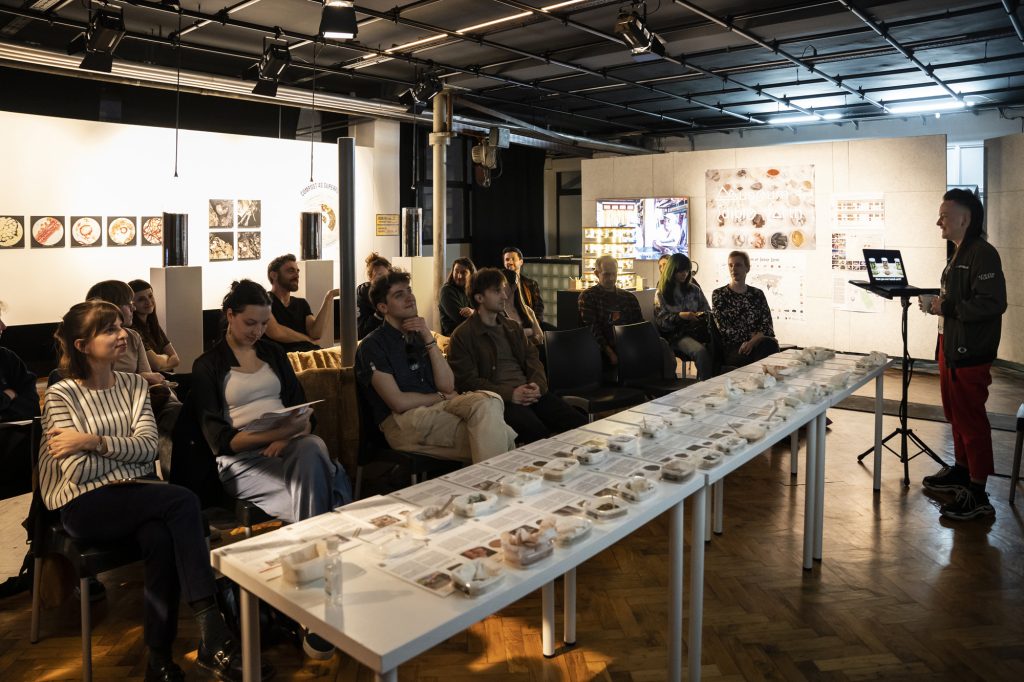
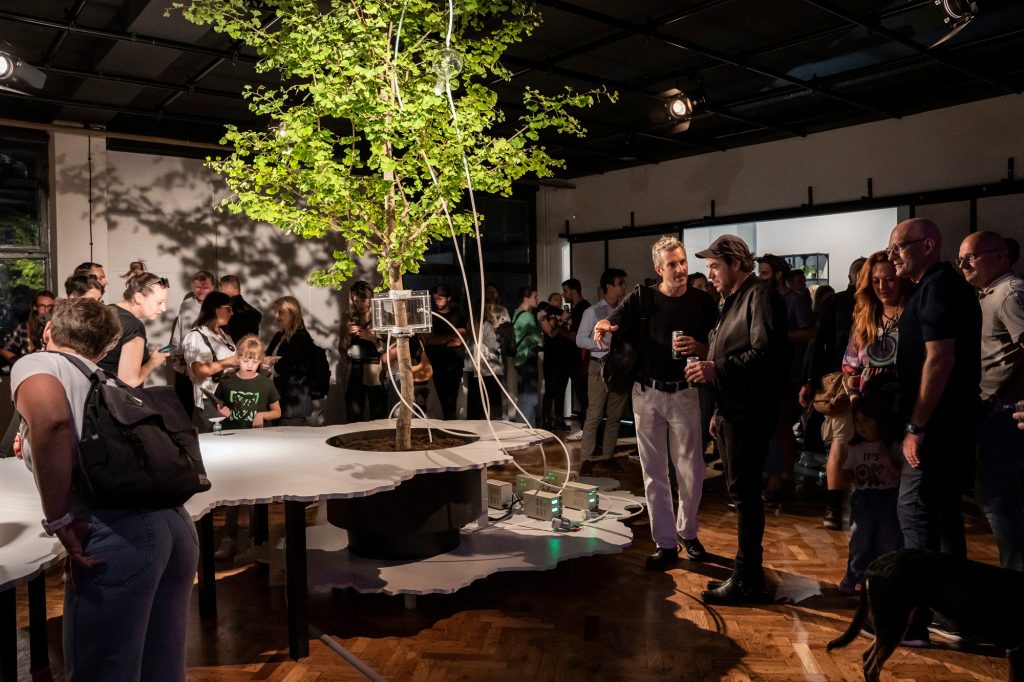
“KONTEJNER is working towards establishing a steady relationship between the public and its participants.”
Challenges
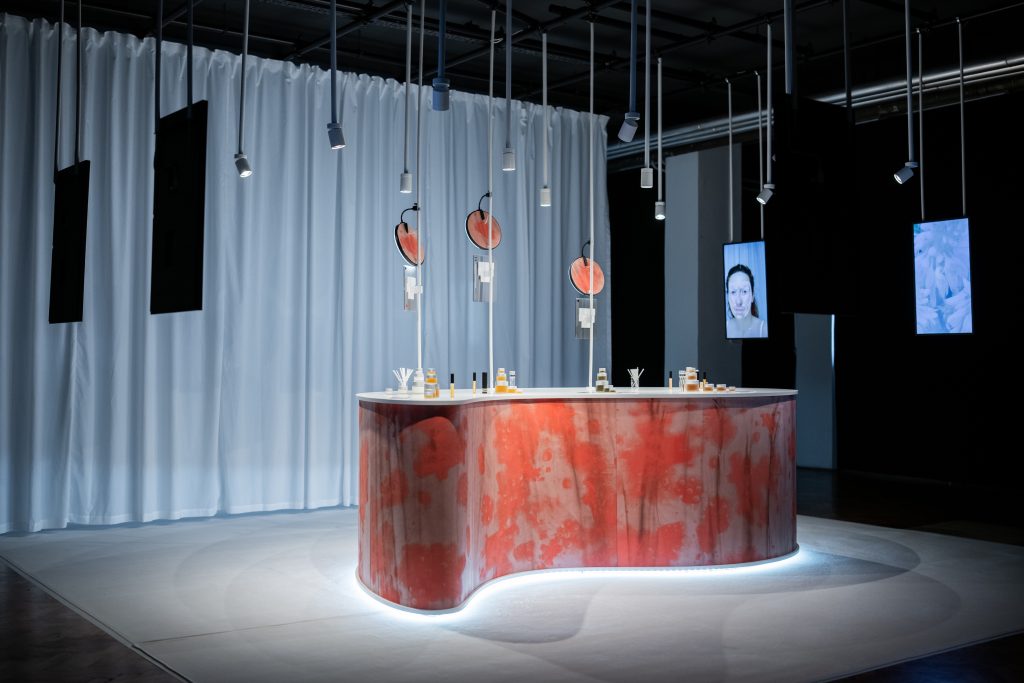
Opening of exhibition by Silvio Vujičić “SKIN(S)CARE”, 2025,
©Ivan Buvinić
Going into the project, we knew that the asset structure of the Vjesnik complex is very complicated. Although the KONTEJNER venue is rented from a private owner, the majority of the 30.000m2 complex is owned by the Croatian government. Gaining access into different parts of the complex wasn’t always easy and there are no defined rules on who to approach.
But the biggest challenge yet happened in November 2025 when the landmark skyscraper, around which the whole complex was built, burned down. For two months KONTEJNER didn’t have access to its venue since it was closed off by the police department. Things are slowly getting better, with plans to tear down the skyscraper. Unfortunately, the future of the whole complex is very uncertain and currently we don’t have a possibility to further explore or activate other parts of the complex for our programme activities.
Qualitative Impact
The Zagreb pilot generated impact beyond its direct participants and community by revitalizing part of the Vjesnik complex and turning it into a now recognized cultural point in Zagreb. Besides KONTEJNER venue, a design, woodwork, and metalwork studio with whom KONTEJNER collaborated on the renovation of the venue, decided to move into the same complex and establish their practice right next to KONTEJNER. This move was motivated by their collaboration with KONTEJNER in this specific location and it highlights the organic growth of our DIY community. Their relocation and practice within the same complex highlights the relationship we have cultivated and allows us to plan our future activities more easily and with a more pronounced and organically created inter-sectoral perspective. The studio is now actively involved in most of our projects and program activities – the renovation of the space has organically led to exhibition setups and artwork productions. And the studio is getting more and more recognition for their own practices widening at the same time their target clientele and audience.
Next to KONTEJNER venue are the offices of a well-known architectural studio from Zagreb that renovated their space at the same time as we did. So, the public has recognized that there has been a shift in the Vjesnik complex, that once run down buildings have slowly been revitalized with new and different content. We hope that there will be more opportunities in the future to house cultural and creative content on this vast complex site and that we will inspire more peers and colleagues to embark on this challenge.
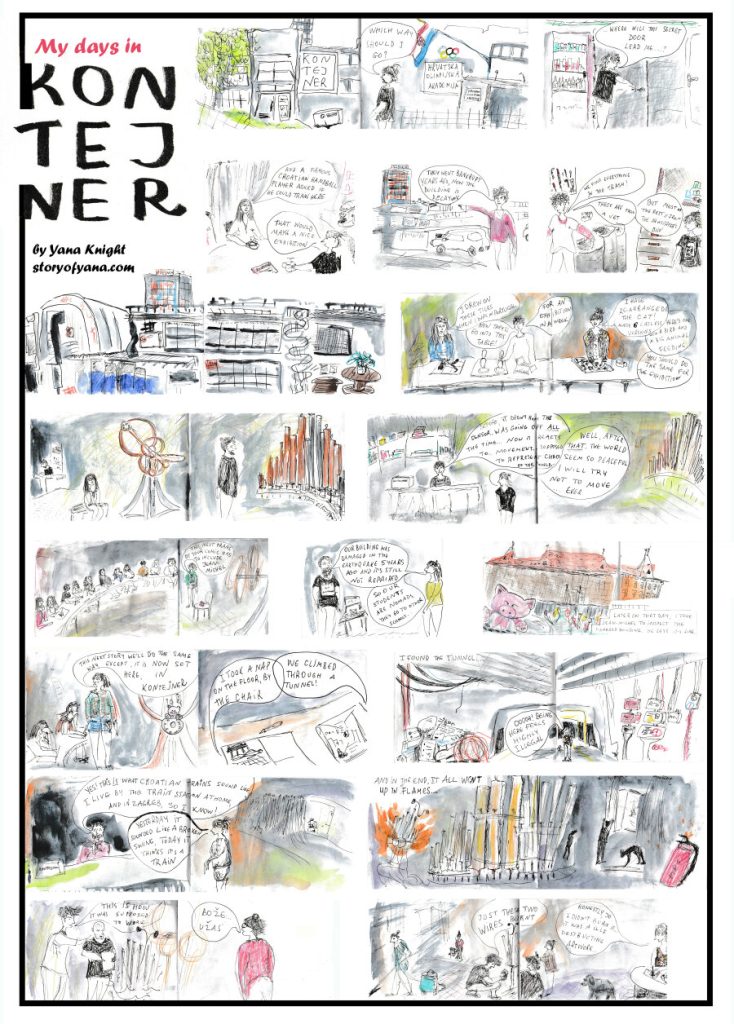
KONTEJNER comic, ©Yana Knight
“… it shows how KONTEJNER’s bioart programs aren’t just art for art’s sake, but also have a social and environmental impact.”
Key Lessons & Insights
We hope that in 10 years ahead KONTEJNER is still a vibrant space for different artistic experiences in Zagreb and that it remains an integral part of its neighbourhood and community. We hope that we will be able to further successfully implement different mapping projects in close collaboration with the student but also the academic community. The goal is to use less conventional and more empiric and exciting out-of-the-box academic and pedagogical approaches aimed at building a community and treating the participants as partners in the shaping and continuous (re)creating of our space and the surrounding landscape.
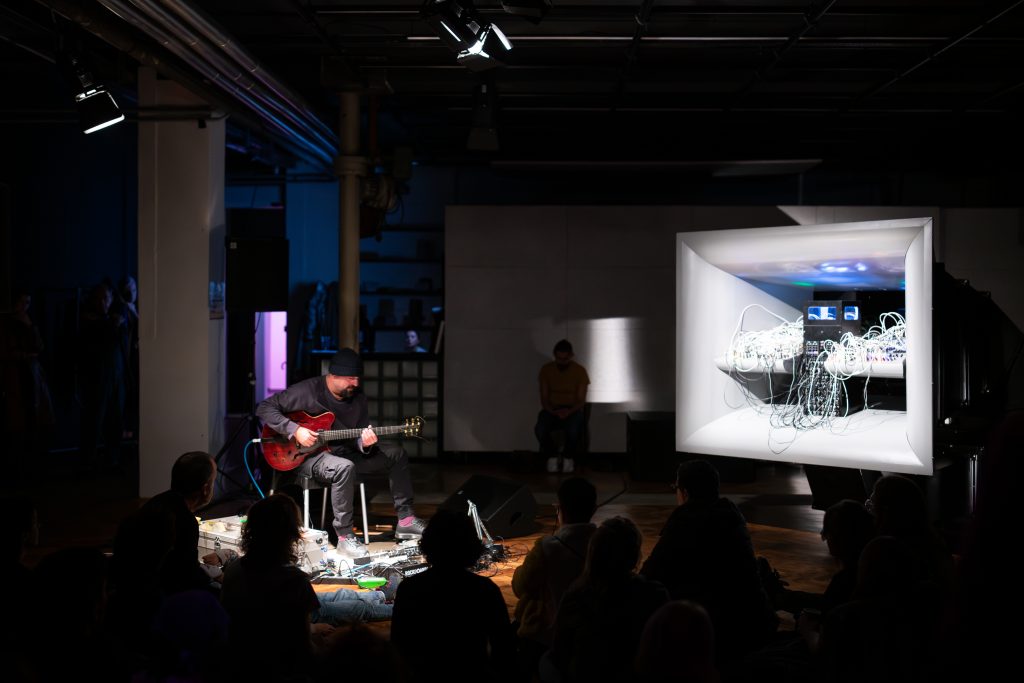
Bio-sonic installation and performance “cellF” by Guy Ben-Ary, Nathan Thompson, Darren Moore, Andrew Fitch and Stuart Hodgetts at KONTEJNER, 2025, ©Ivan Buvinić
The on-going collaborations that we had with different stakeholders show that KONTEJNER’s renovated venue and the Vjesnik complex are not just inert physical spaces but living entities and also dynamic centres of artistic and social activity.
They can be continuously redefined and explored by different creative communities that have been growing and evolving alongside the organization for years. The different activities and the importance of including the local coalition directly in the research and creative process was once again highlighted.
One of the takeaways from working at the Zagreb pilot site is the realization that it is crucial to actively work with the history of the place that we are now a part of, unearthing its layers to better understand it and discover its full potential and its place in the ecology of the neighbourhood, and even further – the entire city.
Likewise, creating less ‘conventional’ maps such as smell and sound maps that were part of the sensitive mapping workshops, offer a unique and profound way to experience and understand a place. Unlike standard archival data that give us a more detached and factographic account, sensitive mapping engages the senses and allows people to connect with a physical place on a visceral and emotional level. The scents as well as sounds bring forth memories and emotions. The sounds can also say a lot about the atmosphere and the ‘feeling’ of the space. This approach really can help deepen our relationship with the space and the environment that we inhabit.
Legacy: Looking 10 years ahead
We hope that in 10 years ahead KONTEJNER is still a vibrant space for different artistic experiences in Zagreb and that it remains an integral part of its neighbourhood and community. We hope that we will be able to further successfully implement different mapping projects in close collaboration with the student but also the academic community. The goal is to use less conventional and more empiric and exciting out-of-the-box academic and pedagogical approaches aimed at building a community and treating the participants as partners in the shaping and continuous (re)creating of our space and the surrounding landscape.
We hope that the complicated and sad history of the Vjesnik complex will not transfer also into its future and that the Croatian government has the strength and courage to transform it into a landmark cultural site like La Friche in Marseille and not to give in to the construction lobby to turn it into another apartment-shopping site.
Cluster: Biodiversity
The goal of the Zagreb pilot site was to revitalize an unused space and to activate it with specific temporary artistic and cultural activities that interpret an array of investigative, interdisciplinary and intermedia cultural programmes with a special emphasis on the topic of bio-art, biomedia and artistic practices dealing with living organisms. The biodiversity approach therefore was not literal in the investigation of the site as a biodiverse system, but in showcasing artists dealing with the current biodiversity, inter-species and biomedia topics and creating programmes that integrate the theme critically into the site and its surroundings. This approach is especially directed towards the audiences, activating the neighborhood in a participatory manner.
The ‘Bacteria Babies’ bio-art research and production project that took place from April 2023 to February 2024 is an example on how projects at KONTEJNER involve the local communities and focus on DIY bio-art and science experiments that participants can also conduct at their homes. During the final project event, the ‘Bacteria Babies: Sip & See’ exhibition and ‘Adopt a baby kombucha’ event in February 2024 at KONTEJNER, many visitors and organization partners and collaborators took home kombucha growing kits to continue developing their bio-art experiments at home. Some of the students that grew their own kombucha also produced bacterial celluloses, and then showcased (at their own initiative) the celluloses at an exhibition event organized by the Academy of Fine Arts in Zagreb.
Through sensitive mapping workshops, one on one talks with artists, citizen science tools and interactive artistic experiences, KONTEJNER’s participants and community have been invited to learn about different aspects and approaches of cohabitation of living beings on Earth. Inspired, on the one hand, by latest scientific research, and the imaginings of posthuman subjectivity, as well as political and ethical assessments about the future on the other, works presented at KONTEJNER frequently venture into exciting and experimental theories by addressing issues such as pollution, interspecies communication, climate change, the posthuman body and the Anthropocene. Armed with the potential for social transformation, they deliver an effective impact on their audience and encourage discussion. Through different programme activities participants were invited to think and talk about their own visions and narratives, thus integrating the long-disconnected notions of nature and the human.
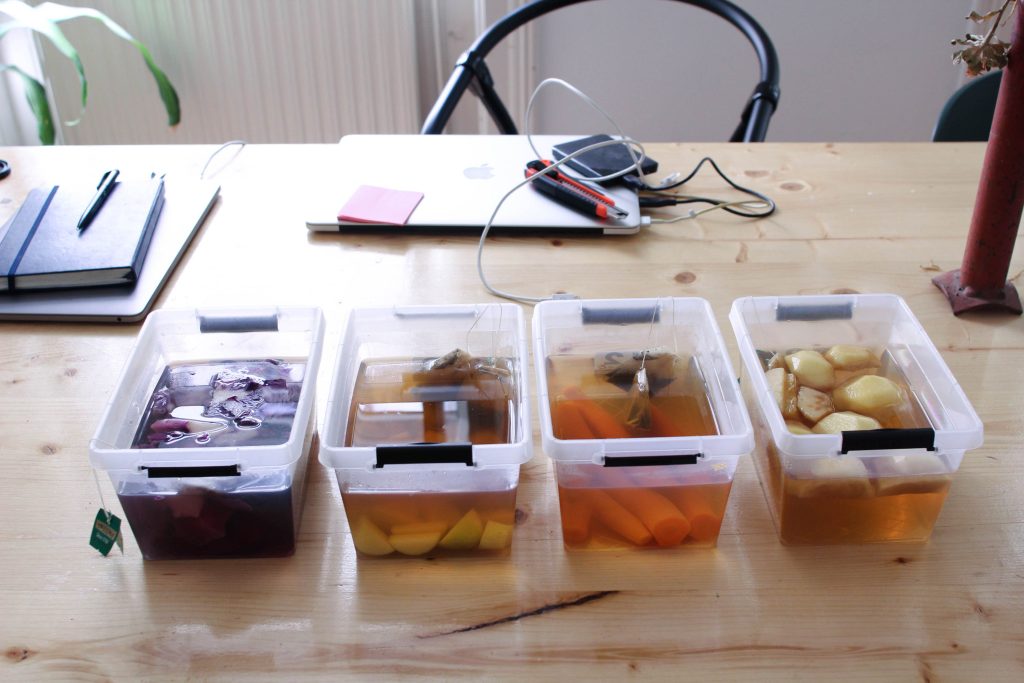
Community project Bacteria Babies by Katja Banović and Xavier Madden, 2024, photo courtesy of artists
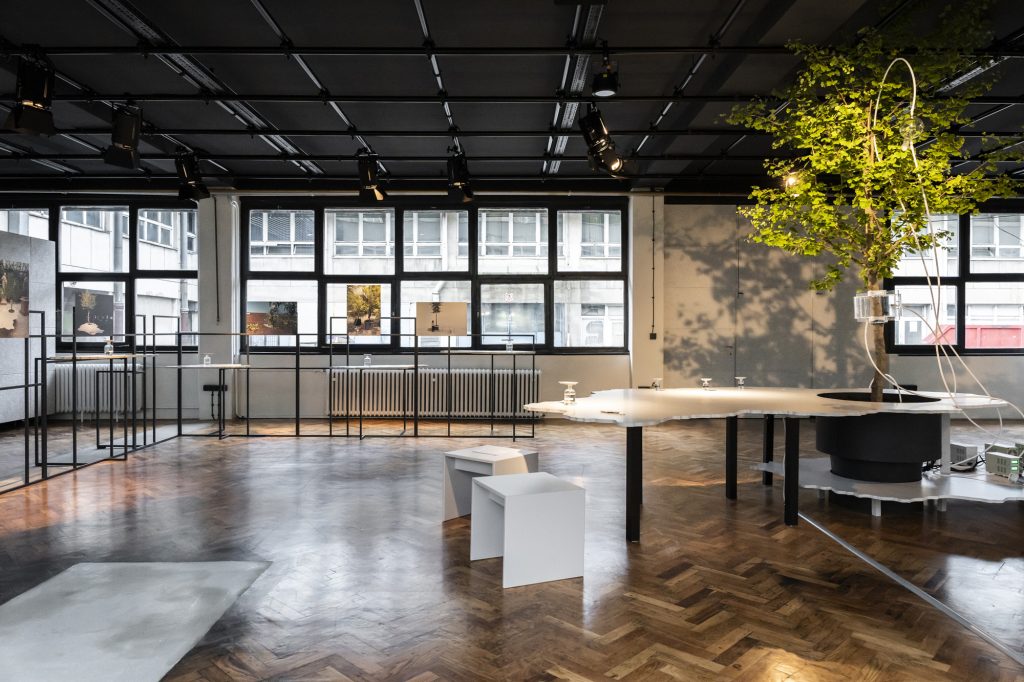
Opening of KONTEJNER venue empty space, 2023
©Sanja Bistričić Srića
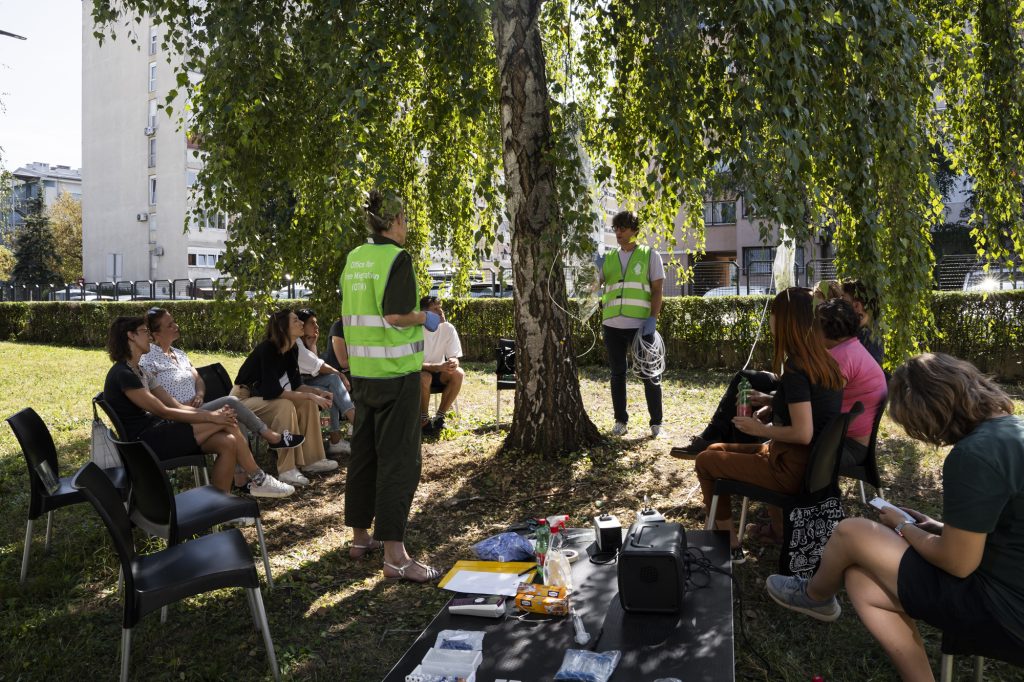
Agnes Meyer-Bradis workshop at KONTEJNER, 2023
©Sanja Bistričić Srića
Discover the Pilot:
Discover the pilot site from the local coalitions perspective: Vjesnik Visual Map.